
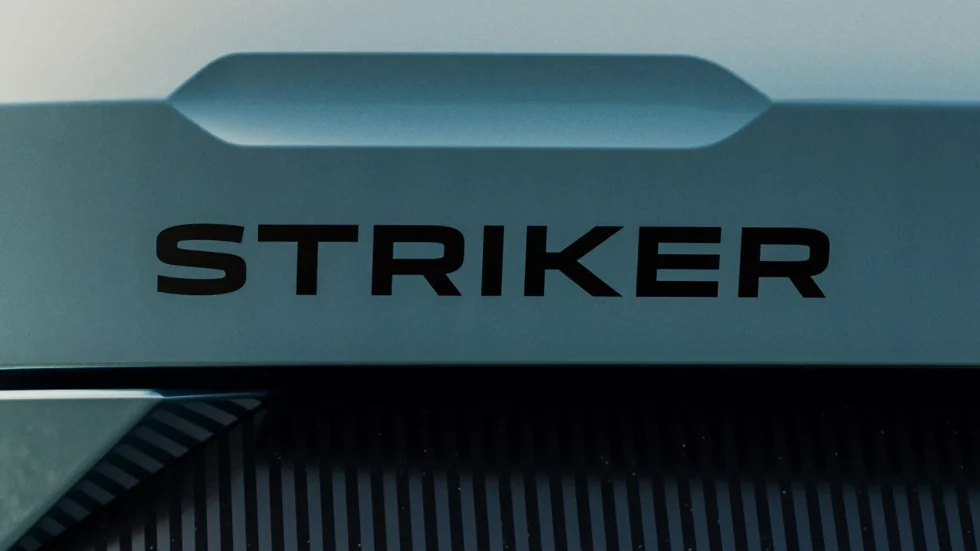
Dacia Striker is expected to become one of the most closely watched affordable family cars arriving in Europe in 2026. The Romanian brand, part of Renault Group, has confirmed that the official reveal of the new estate model will take place on 10 March 2026. The vehicle represents Dacia’s first direct entry into the European C-segment estate market, a class traditionally dominated by practical long-roof family cars such as the Skoda Octavia Estate, Toyota Corolla Touring Sports and Volkswagen Golf Estate. According to industry sources, the model has been developed as a larger and more sophisticated successor to the brand’s budget-focused lineup, while maintaining the core Dacia philosophy of simplicity, durability and competitive pricing. The WP Times reports that the global presentation scheduled for 10 March will reveal the final production version of the Dacia Striker, with UK sales expected to begin later in autumn 2026.
The new estate will play an important role in Renault Group’s broader strategy to expand Dacia into larger vehicle categories without moving the brand into the premium segment. Early industry estimates suggest that the Striker could combine a spacious interior, hybrid powertrain technology and a starting price of around £23,000 in the United Kingdom, which would place it significantly below many established competitors in the same class. If confirmed, that pricing strategy would position the model among the most affordable family estate cars available in Britain in the second half of the decade.
Why Dacia is launching the Striker now
The arrival of the Dacia Striker reflects structural changes taking place in the European car market over the past decade. Sport utility vehicles have dominated sales growth since the mid-2010s, gradually pushing traditional estate cars out of the spotlight. However, estates have not disappeared. In several European markets, including the United Kingdom, Germany, Switzerland and Scandinavia, the body style continues to attract buyers who prioritise practicality, lower running costs and improved fuel efficiency compared with large SUVs.
Dacia’s strategy has historically focused on offering vehicles that deliver maximum practicality for a relatively low purchase price. Models such as the Sandero hatchback, Duster SUV and Jogger family vehicle have become some of the most affordable new cars available across Europe. The company’s approach relies heavily on shared engineering within Renault Group, which allows Dacia to keep production costs low while maintaining reliability.
The success of that strategy became particularly clear in 2025, when the Dacia Sandero became the best-selling passenger car in Europe according to industry registration data. The model overtook traditional market leaders including the Volkswagen Golf and several compact crossovers, largely because of its lower price and simple design. By launching the Striker, Dacia is attempting to move slightly upmarket without abandoning its core identity as a value-focused brand. Analysts say the project aligns with Renault Group’s long-term transformation programme aimed at strengthening the competitiveness of its three main brands: Renault, Dacia and Alpine.
Dacia Striker reveal date and launch timeline
The timeline for the new model has gradually become clearer as the reveal date approaches.
| Event | Expected date |
|---|---|
| Official reveal | 10 March 2026 |
| Technical presentation | March 2026 |
| European launch | Late 2026 |
| UK sales start | Autumn 2026 (expected) |
The reveal event scheduled for 10 March is expected to provide the first official images of the vehicle, detailed specifications and confirmation of engine options. Automotive journalists will also receive early information about the production location and the final list of equipment levels. Order books are likely to open later in 2026 once production schedules are confirmed and the full pricing structure for different European markets has been finalised.
What type of car the Dacia Striker will be
The Dacia Striker will compete in the C-segment, one of the most important categories in the European automotive industry. Cars in this segment typically measure between 4.5 and 4.7 metres in length and are designed to provide enough space for five passengers along with a large luggage compartment suitable for family use.

The Striker is expected to focus on practicality and value rather than luxury. Early technical information suggests that the vehicle will feature a traditional estate body style combined with design elements inspired by modern SUVs. Expected characteristics include a large boot capacity of roughly 600 litres, generous rear passenger space and hybrid powertrain options designed to improve fuel efficiency and reduce emissions. Compared with SUVs of similar size, estate cars typically deliver better aerodynamics and lower fuel consumption because of their lower ride height and lighter weight.
Expected design and exterior features
Although official images will not be released until the reveal on 10 March, early reports suggest that the Striker will follow the latest design direction introduced by Dacia’s newer models.
Recent vehicles such as the redesigned Duster and the Bigster concept feature a more rugged appearance compared with earlier Dacia cars. The design language includes distinctive Y-shaped LED light signatures, stronger body lines and a more robust overall stance. The Striker is expected to incorporate several of these elements. The front end may feature slim LED headlights integrated with a modern grille design, while the sides of the vehicle are likely to include squared wheel arches and protective plastic body cladding. Roof rails and slightly increased ground clearance could also appear, reinforcing the SUV-inspired styling that has become increasingly popular among European buyers.
Interior technology and cabin layout
Dacia has gradually increased the level of technology offered in its vehicles over the past several years while maintaining relatively low production costs. The interior of the Striker is expected to follow the same philosophy. The cabin will likely share several components with other Renault Group vehicles, particularly the Jogger and the upcoming Bigster SUV. Industry sources suggest that the car could feature a central infotainment display of around 10 inches, along with smartphone connectivity through Apple CarPlay and Android Auto.
A digital driver display may also be included in higher specification models, providing information about speed, navigation and vehicle systems. Storage space is expected to be one of the priorities of the interior layout, with multiple compartments designed to accommodate everyday items. Dacia’s YouClip modular accessory system is also likely to appear. This system allows drivers to attach practical accessories such as phone mounts, storage pockets or tablet holders to designated points inside the cabin.
Engine options and hybrid technology
Although the full technical specifications will only be confirmed during the reveal, several possible powertrains have already been discussed within the automotive industry. The entry-level version of the Dacia Striker is expected to use a 1.2-litre turbocharged petrol engine paired with a manual gearbox. This engine is already widely used across Renault Group vehicles and offers a balance between performance and fuel efficiency. A more advanced hybrid version could deliver around 155 horsepower and may be paired with an automatic transmission.
| Engine | Power | Transmission |
|---|---|---|
| 1.2-litre petrol | around 120 hp | manual |
| Hybrid system | around 155 hp | automatic |
| Possible AWD version | not confirmed | automatic |
Hybrid technology has become increasingly important in Europe as emissions regulations tighten and fuel economy requirements become more demanding. By offering a hybrid option, Dacia would ensure that the Striker remains competitive in markets where environmental standards are becoming stricter. A fully electric version of the Striker appears unlikely in the short term, as Dacia already offers the electric Spring as its entry-level EV.
Estimated price in the UK
Price will likely be one of the most significant factors determining the commercial success of the Striker.Dacia’s vehicles are typically positioned well below mainstream competitors, which has helped the brand gain popularity among cost-conscious buyers across Europe. Analysts believe the Striker could start at around £23,000 in the United Kingdom.
| Model | Estimated starting price |
|---|---|
| Dacia Striker | about £23,000 |
| Skoda Octavia Estate | about £29,000 |
| Toyota Corolla Touring Sports | about £30,000 |
| Volkswagen Golf Estate | about £31,000 |
If these estimates prove accurate, the Striker could cost roughly £6,000 less than several of its main competitors. That difference would make it one of the most affordable vehicles in the C-segment estate category.
Boot capacity and practicality
Practicality will likely be one of the key selling points of the Dacia Striker. Industry estimates suggest the vehicle will offer a luggage capacity of around 600 litres, which would place it close to the Skoda Octavia Estate in terms of cargo space. This amount of storage capacity allows drivers to transport large amounts of luggage, sports equipment or everyday shopping without difficulty. Estate cars are often chosen by families and outdoor enthusiasts who require flexible cargo space but do not want to move to a larger and more expensive SUV.
How the Striker fits into Dacia’s model range
The introduction of the Striker will expand Dacia’s lineup into a new market segment.
| Model | Type |
|---|---|
| Sandero | small hatchback |
| Duster | compact SUV |
| Jogger | family MPV / estate |
| Spring | electric city car |
| Bigster | upcoming large SUV |
The Striker is expected to sit between the Jogger and the Bigster in terms of size and price. This positioning will allow Dacia to offer customers a broader range of family vehicles with different body styles and capabilities.
Competition in the UK estate market
Despite the continuing popularity of SUVs, the estate car segment remains an important part of the British automotive market. Models such as the Skoda Octavia Estate, Toyota Corolla Touring Sports, Volkswagen Golf Estate and Ford Focus Estate continue to attract both private buyers and fleet operators. These vehicles are often chosen as company cars or family transport because they provide large luggage capacity while remaining relatively economical to run. The Striker’s main competitive advantage is likely to be its price. Many estate cars equipped with modern hybrid engines and advanced technology now cost more than £30,000 in the UK. A starting price closer to £23,000 would place the Dacia model in a much more accessible range for many buyers.
Future models based on the Striker platform
Some automotive reports suggest that the platform used for the Striker could eventually serve as the basis for additional vehicles within the Renault Group portfolio. One possibility is a more conventional hatchback model expected around 2027. Such a vehicle could compete directly with established models such as the Volkswagen Golf or Ford Focus while offering a lower purchase price. Developing multiple vehicles from the same platform allows manufacturers to reduce engineering costs and accelerate the development of new models.
What the reveal on 10 March will confirm
The official presentation scheduled for 10 March 2026 will answer several important questions about the Dacia Striker. The event is expected to reveal the final exterior design, engine options, interior layout and confirmed pricing for key European markets. The production location of the vehicle will also likely be announced. Automotive analysts will closely examine how the car compares with established estate models in terms of size, efficiency and overall value.
The role of the Striker in Dacia’s future
Dacia’s expansion across Europe has been driven by its focus on vehicles that prioritise simplicity, durability and affordability. The company aims to continue growing its global sales over the coming decade as it enters additional segments of the market. The Striker could play a significant role in that strategy by allowing Dacia to compete more directly in the mid-size family car category. If the model successfully combines generous interior space, hybrid efficiency and an accessible price, it could become one of the most important affordable family cars launched in Europe during the second half of the 2020s. With the official reveal set for 10 March 2026, the automotive industry will soon see whether the Dacia Striker can repeat the commercial success achieved by earlier Dacia models and establish itself as a strong competitor in the European estate car market.
Read about the life of Westminster and Pimlico district, London and the world. 24/7 news with fresh and useful updates on culture, business, technology and city life: Apple Faces Online Scorn After Unveiling iPhone Pocket Accessory Priced at Nearly £220
Photo: media.dacia.com