The UK gaming market is entering a structurally different pricing cycle as Sony Interactive Entertainment confirms a broad increase across its PlayStation hardware portfolio. From 2 April 2026, recommended retail prices for the PlayStation 5, PlayStation 5 Digital Edition, PlayStation 5 Pro and PlayStation Portal will rise across the UK, marking one of the most significant late-cycle price increases ever seen in the console market. Where hardware has historically followed a downward pricing curve over time, 2026 signals a clear break from that model. As a result, the shift is not merely a gaming story but part of a broader reset in how consumer technology is priced and positioned, The WP Times editorial team reports.
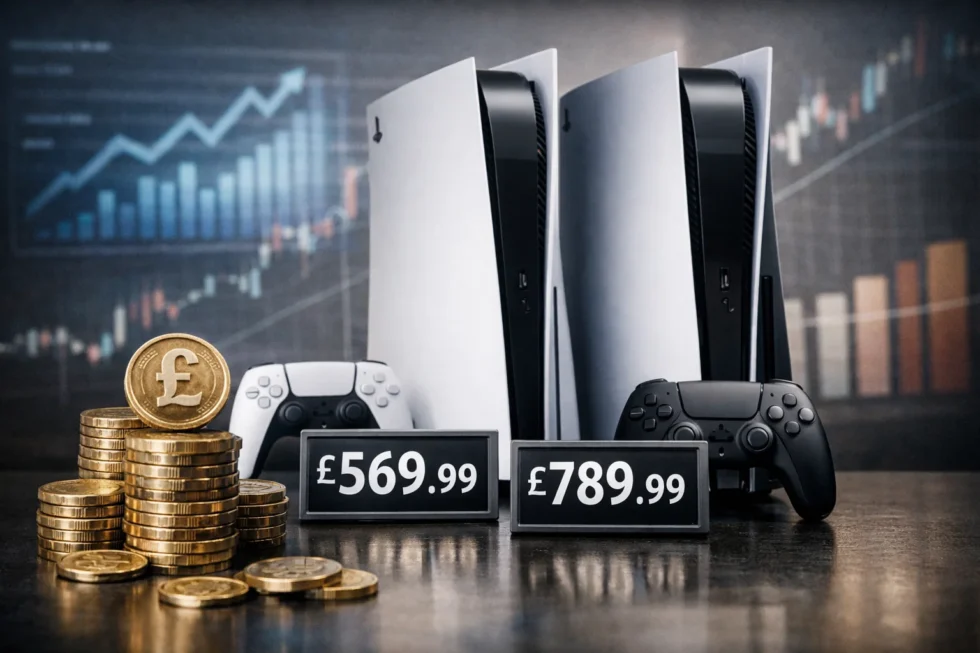
From April, UK consumers will face the following updated prices. The standard PlayStation 5 will cost £569.99, while the Digital Edition is set at £519.99. The more powerful PlayStation 5 Pro will reach £789.99, positioning it firmly in premium territory. Meanwhile, the PlayStation Portal remote player will retail at £219.99, adding further cost pressure to the wider PlayStation ecosystem. These are manufacturer-recommended prices, meaning real retail prices may vary slightly depending on demand and availability. The timing is not accidental. The increase lands just ahead of a new cycle of major releases and hardware optimisation updates, signalling a strategic recalibration rather than a short-term adjustment. Isabelle Tomatis, Vice President of Global Marketing at Sony Interactive Entertainment, stated: “With continued pressures in the global economic landscape, we’ve made the decision to increase prices… this was a necessary step to ensure we can continue delivering innovative, high-quality gaming experiences.” The wording is careful but revealing: this is not a temporary spike, but a structural shift.
Behind the decision lies a convergence of economic factors. Memory components such as GDDR6 and NAND flash — essential for modern consoles — have become significantly more expensive due to demand from artificial intelligence infrastructure and data centres. In effect, gaming hardware is now competing directly with AI systems for the same supply chains. As a result, production costs are rising even late into the console lifecycle, breaking the traditional model where manufacturing becomes cheaper over time.
There is also a broader macroeconomic layer. Currency fluctuations, inflation across Europe and the UK, and increased logistics costs are all feeding into hardware pricing. Unlike previous generations, where companies could offset hardware losses with software revenue, the current environment forces a more balanced approach. Hardware itself must now generate margin — or at least minimise losses.
Consumer reaction has been immediate and divided. Some players argue that the pricing undermines the value proposition of consoles compared to PC gaming or cloud-based alternatives. One user reaction summarises the sentiment: “Console prices going up multiple times since launch is completely unheard of.” Another noted the strategic tension: “There needs to be a point of differentiation for people to buy PlayStation hardware.” These responses highlight a core issue — rising prices increase expectations.
The strategic shift also changes how buyers in the UK should approach purchasing decisions. Timing becomes critical. With prices increasing rather than falling, waiting no longer guarantees savings. Instead, buyers may need to track promotional windows, bundles, or seasonal discounts. The era of predictable price drops is effectively over.
At the same time, the PlayStation brand is moving further into premium positioning. The PS5 Pro, at nearly £800, is no longer a mass-market impulse purchase but a considered investment. This aligns with broader trends across technology, where high-performance devices are increasingly marketed as long-term lifestyle products rather than disposable electronics.
There is also a competitive dimension. Rivals such as Microsoft and Nintendo are now under pressure to respond. If component costs remain elevated, similar pricing strategies could emerge across the industry. That would signal a full transition from the traditional console cycle model to a more dynamic, market-driven pricing structure.
For UK consumers, the key takeaway is clear. Gaming hardware is becoming structurally more expensive, not temporarily inflated. Purchase decisions in 2026 require awareness of timing, market conditions, and long-term value rather than short-term price expectations. The PlayStation ecosystem remains strong, but access to it now comes at a higher entry cost. In practical terms, anyone considering buying a PlayStation device in the UK should act based on usage horizon rather than waiting for discounts that may never come. The pricing reset that begins on 2 April 2026 is not just a number change — it is a signal of how the gaming industry is evolving under pressure from technology, economics, and global demand.
Read about the life of Westminster and Pimlico district, London and the world. 24/7 news with fresh and useful updates on culture, business, technology and city life: Apple WWDC 2026: iOS 27, Liquid Glass & The Gemini-Powered Siri Revolution