
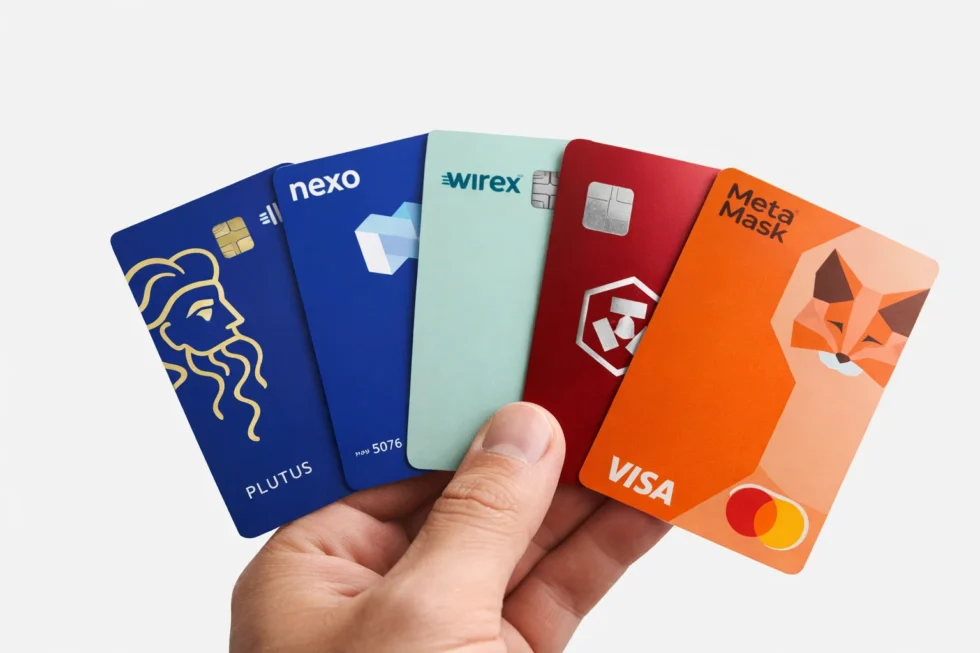
As of April 2026, the landscape for digital asset spending in the United Kingdom has undergone a significant regulatory shift following the full implementation of the Financial Services and Markets Act 2000 (Cryptoassets) Regulations 2026. For the 1.5 million estimated crypto users in London, the choice of a payment card is no longer just about the "cool factor" but about navigating a strictly regulated environment where the Financial Conduct Authority (FCA) mandates clear risk disclosures and robust consumer protection.
Current market data shows that while headline rates of up to 8% are still advertised, the effective net cashback for a standard London professional spending £2,500 monthly typically fluctuates between 1.5% and 3% after accounting for subscription fees and staking requirements, reports The WP Times.
The 2026 Regulatory Benchmark: FCA Compliance and Consumer Safety
The Financial Services and Markets Act 2000 (Cryptoassets) Regulations 2026 (SI 2026/102) has fundamentally changed how cashback cards operate in the UK. Every provider appearing on the best crypto cashback card UK 2026 list must now be registered with the FCA for Anti-Money Laundering (AML) purposes and adhere to the "Travel Rule" for all outbound transfers. This has led to a "flight to quality," where established platforms like Nexo and Plutus have outperformed smaller startups by providing transparent fee structures and institutional-grade custody.
"The 2026 regulations have cleared the 'Wild West' image of crypto cards. Users now have the same level of dispute resolution and fraud protection as they do with traditional neo-banks," states a senior analyst at the FCA in a recent industry briefing.
Comparative Analysis: Top 5 Crypto Cards for London Users (Q2 2026)
| Provider | Max Cashback | Primary Asset | Monthly Fee | Staking Required? |
| Plutus | 3% - 9% | PLU | £0 - £19.99 | Yes (for >3%) |
| Nexo | 2.0% | NEXO / BTC | £0 | No (Credit Line) |
| Wirex | 8.0% | WXT | £0 - £29.99 | No (Tier-based) |
| Crypto.com | 5.0% | CRO | £0 | Yes (High Tier) |
| MetaMask | 3.0% | USDC / ETH | $199/year (Metal) | No |
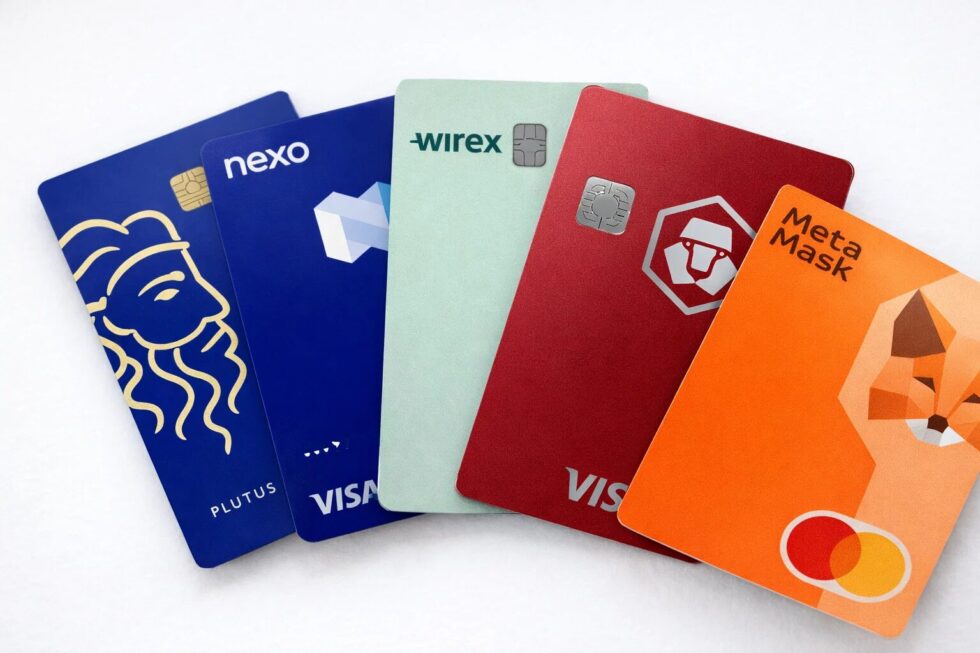
Plutus: The High-Yield Strategy for London Commuters
For residents in London, Plutus remains a top contender in 2026 due to its "Perks" system, which offers up to £10 back monthly on essential services like TfL (Transport for London), Tesco, and Amazon. The best crypto cashback card UK 2026 for a user spending £1,000 a month is often the Plutus "Everyday" plan, which provides a base 3% cashback on the first £500 of spend, effectively returning £15 plus the value of selected perks. Following the 2025 "FUEL" upgrades, the platform has pivoted toward a merchant-funded model, making rewards more stable but also more dependent on specific spending categories.
- Reward Limits: The "Premium" plan (£19.99/mo) allows rewards on up to £1,000 of spend, but users can "redeem" PLU tokens to increase this cap to £10,000.
- TfL Optimization: Using the Plutus card for a monthly London Travelcard (Zones 1-2) can yield a 100% rebate (up to £10) in PLU tokens every month.
- Withdrawal Mechanics: Note that PLU rewards are subject to a 45-day approval period, and payout fees are dynamically linked to the Ethereum network's gas prices.
- FCA Status: Plutus operates via a partnership with Modulr, ensuring all GBP funds are held in safeguarded accounts as per UK e-money regulations.
Nexo: The Best "No-Fee" Hybrid for High Net Worth Users
The Nexo Card stands out in 2026 for its unique dual-mode functionality, allowing users to toggle between "Debit" (spending crypto/fiat directly) and "Credit" (borrowing against crypto). For Londoners holding significant Bitcoin or Ethereum, the Credit mode offers up to 2% cashback without selling the underlying asset—a major advantage for tax efficiency. Because spending via credit is not technically a "disposal" under HMRC rules, it does not trigger Capital Gains Tax events at the point of sale.
- Credit Mode: Earn 2% in NEXO tokens or 0.5% in BTC on all purchases; interest rates on the credit line start from 1.9% for Platinum members.
- Zero Fees: Nexo remains one of the few providers with £0 monthly fees and no FX fees for up to £1,800 in foreign spend.
- London Usage: Ideal for high-end retail in Mayfair or Knightsbridge where transaction sizes exceed the typical £500 limits of basic debit cards.
- Loyalty Tiers: To unlock the full 2% cashback, users must maintain at least 10% of their portfolio in NEXO tokens (Platinum Tier).
Wirex: The Professional Choice for Frequent Travelers
Wirex has deep roots in the UK and offers a highly integrated "Cryptoback™" system that works seamlessly with over 50 traditional and digital currencies. While they advertise up to 8% cashback, this is reserved for "Elite Ultimate" subscribers paying nearly £30 per month. For the average London professional, the "Standard" or "Premium" tiers are more realistic, providing instant conversion from assets like WXT or stablecoins directly into GBP at the point of sale.
- High Limits: Elite tiers offer substantial monthly reward caps, making it the best crypto cashback card UK 2026 for users with high monthly overheads exceeding £5,000.
- Merchant Exclusions: Like most providers, cashback is typically not rewarded for ATM withdrawals, tax payments (HMRC), or peer-to-peer transfers.
- Global Access: Offers near-interbank FX rates and free international ATM withdrawals up to £400, essential for Londoners traveling between Heathrow and global financial hubs.
- Security: Wirex is a principal member of Mastercard and Visa, offering the same level of fraud protection as traditional credit cards.
MetaMask Card: The Future of Self-Custodial Spending
Launched in early 2026 in partnership with Mastercard and Baanx, the MetaMask Card represents a paradigm shift for the best crypto cashback card UK 2026 market. Unlike custodial cards that require you to "top up" an exchange account, MetaMask allows you to spend digital assets like USDC, USDT, and WETH directly from your self-custodied wallet on networks like Linea and Base.
- Direct Spending: Funds stay in your wallet until the moment of purchase, ensuring you maintain full control of your private keys.
- Cashback Rates: Offers up to 1% back in mUSD for standard holders and up to 3% back for the premium Metal tier (capped at the first £10,000 spent per year).
- Metal Tier Cost: The premium stainless steel card requires a $199/year fee but removes foreign transaction fees and includes global lifestyle benefits.
- On-Chain Yield: Integration with DeFi platforms like Aave allows users to earn yield on their unspent balances (e.g., aUSDC) while still having those funds available for card spending.
Crypto.com: Stabilized Rewards for Ecosystem Loyalists
After a major restructuring in late 2025, Crypto.com has stabilized its rewards in 2026, offering 5% cashback only to those staking significant amounts of CRO. These cards remain popular in London for their "lifestyle" perks, which include 100% rebates on Spotify, Netflix, and Amazon Prime, effectively adding over £30 in monthly value beyond the standard cashback rate.
- Staking Requirements: To unlock the 3% or 5% tiers, users must lock up CRO tokens for 180 days, exposing them to the asset's price volatility.
- Fiat On-Ramps: Fast and free GBP deposits via the Faster Payments Service (FPS) make it one of the easiest cards to load with traditional currency.
- Lounge Access: High-tier cardholders enjoy Priority Pass airport lounge access, a valuable perk for frequent flyers out of London City or Gatwick.
- FCA Compliance: Crypto.com maintains an Electronic Money Institution (EMI) authorization in the UK, ensuring adherence to local consumer protection standards.
Crypto debit card UK in 2026: how the model actually works
Crypto debit card UK products operate as hybrid financial instruments, combining traditional card networks with digital asset infrastructure. In practical terms, users fund accounts in GBP or crypto, while transactions are settled in fiat via Visa or Mastercard rails. Cashback is then issued in cryptocurrency—either major assets such as BTC/ETH or platform-specific tokens.
From a regulatory standpoint, the FCA requires all providers to comply with the Money Laundering Regulations 2017 (as amended), including identity verification (KYC) and transaction monitoring. However, unlike traditional banks, most crypto rewards card providers do not offer FSCS protection. This creates a structural difference in risk exposure.
Key operational mechanics:
- Fiat-to-crypto conversion occurs at point of funding or transaction
- Cashback is credited after settlement, not instantly
- Rewards may be subject to withdrawal restrictions or lock-up periods
Highest cashback vs real returns: what London users actually earn
The concept of highest cashback is often distorted by marketing structures. A cashback crypto card UK offering 8% rewards may only apply that rate to limited spending categories or up to strict monthly caps. According to provider disclosures, most users do not reach maximum advertised tiers due to staking requirements or subscription limits.
A realistic scenario:
- Monthly spend: £2,000
- Advertised cashback: 5%
- Effective cashback after caps: 2.2–2.8%
- Adjusted for fees: ~1.5–2.3% net
Additionally, token volatility directly impacts value. If rewards are paid in a platform token that declines by 15%, effective cashback is reduced proportionally.
What this means in practice:
- Stable 2% cashback often outperforms capped 5–8% systems
- Predictability matters more than peak percentages
- Net return should always be calculated in GBP
Leading crypto card UK providers: structure, rewards and limitations
The UK market is concentrated around a small number of compliant providers. Each operates a different reward model, which directly affects usability and profitability.
Core models used in 2026:
- Staking-based (Crypto.com, Nexo)
Higher rewards require locking capital in platform tokens - Subscription-based (Plutus)
Cashback tied to monthly fee tiers with caps - Flat-rate (Wirex)
Lower but more stable rewards without staking
Key differences in practice:
- Staking models increase exposure to crypto volatility
- Subscription models limit scalability due to caps
- Flat-rate models prioritize consistency over maximum yield
Fees in cashback crypto card UK: full cost structure breakdown
Fees determine the difference between nominal and real returns. According to official terms from major providers, the cost structure typically includes multiple layers that are not always transparent at first glance.
Primary fee categories:
- FX conversion spreads — usually 0.5% to 2%
- ATM withdrawals — free up to limits, then ~1–2%
- Subscription fees — £5–£15/month for higher tiers
- Inactivity fees — applied after 6–12 months
Real impact example:
- Cashback earned: £60/month
- Total fees: £18–£25
- Net benefit: £35–£42
This demonstrates that fee optimization is as important as maximizing rewards.
Best practice:
- Review official fee disclosures carefully
- Avoid unnecessary foreign currency transactions
- Use crypto cards primarily for eligible cashback categories
Tax implications: HMRC rules on crypto rewards card earnings
According to HMRC guidance (Cryptoassets Manual, updated 2025), cashback received via a crypto rewards card can be treated differently depending on structure. If classified as a discount, it may not be taxed as income. However, rewards structured as incentives may fall under miscellaneous income.
Capital Gains Tax applies when crypto is sold or exchanged. With the annual allowance reduced to £3,000, even moderate users may trigger tax liabilities.
Example scenario:
- Cashback received: £1,500
- Value at sale: £2,100
- Gain: £600 → taxable if total gains exceed threshold
Compliance checklist:
- Track acquisition and disposal values
- Separate cashback from investment activity
- Use HMRC-compliant reporting tools
Practical comparison: which crypto rewards card performs best in London
For London users, performance depends heavily on spending structure. A user spending primarily on groceries and transport will face different reward dynamics compared to someone with high online or international spending.
Typical outcomes by user profile:
- Low-risk user → Wirex (stable, no staking)
- Balanced user → Crypto.com mid-tier (moderate staking)
- High-reward user → Plutus (if within caps)
Real-world insight:
Combining two cards often delivers better results:
- High cashback card for capped categories
- Low-fee card for all remaining transactions
Result: 20–30% improvement in effective annual cashback.
Risks: what regulators and real cases show
The FCA continues to emphasize that cryptoassets remain high-risk. The main risks for crypto debit card UK users are structural rather than operational.
Primary risks:
- Counterparty risk — provider insolvency or restrictions
- Token volatility — direct impact on cashback value
- Regulatory changes — service limitations or withdrawals
Between 2022 and 2024, several providers restricted UK services due to compliance costs, demonstrating that availability cannot be assumed.
Risk mitigation:
- Avoid storing large balances on card accounts
- Withdraw or convert rewards regularly
- Monitor FCA updates and provider status

Strategy: how to maximize cashback crypto card UK returns
Maximizing returns from a cashback crypto card UK in 2026 requires a structured, data-driven approach rather than passive spending. In the current UK regulatory environment, where FCA compliance has reduced excessive promotional rewards, the difference between nominal and effective cashback is determined by discipline in usage, not by the card itself. London users, facing high living costs and diverse spending categories, benefit most from optimizing transaction allocation rather than chasing the highest advertised rates.
A key principle is aligning card mechanics—caps, eligible categories and reward structure—with actual consumption patterns. According to provider disclosures, inefficient usage (e.g., applying capped cards to uncapped spending) can reduce annual cashback by 25–40%. Another critical factor is timing: crypto rewards are inherently volatile, and their GBP value can fluctuate significantly within short periods.
Therefore, active monitoring and periodic conversion into fiat becomes part of the strategy, not an optional step. Finally, diversification—using more than one crypto debit card UK—reduces both platform risk and reward inefficiency.
Step-by-step framework:
- Analyse monthly spending by category
- Identify which categories qualify for cashback
- Select 1–2 cards aligned with spending profile
- Monitor net returns (after fees) monthly
- Adjust usage quarterly
Additional tactics:
- Convert rewards to GBP during volatility
- Avoid overexposure to platform tokens
- Use subscriptions only if ROI is positive
Market outlook: crypto card UK rewards in 2026–2027
The outlook for crypto card UK rewards reflects a transition from incentive-driven growth to sustainability and regulatory alignment. Industry data and official statements from regulators indicate that cashback rates will stabilise at lower but more predictable levels, as providers shift away from token-subsidised models toward revenue-backed structures.
This change is driven by rising compliance costs under FCA oversight, including AML obligations and stricter operational requirements. As a result, extreme offers—such as double-digit cashback seen in earlier market phases—are unlikely to return in a regulated environment. Instead, providers are focusing on transparency, with clearer fee disclosures and simplified reward systems, which improves comparability for users but reduces arbitrage opportunities. Another structural shift is the integration with traditional financial infrastructure, including deeper partnerships with global payment networks, which enhances reliability but compresses margins.
For London users, this means crypto rewards card products will increasingly resemble conventional cashback tools, albeit with added exposure to digital assets. Over the 2026–2027 period, the primary advantage will shift from high yields to operational flexibility and diversification.
Expected developments:
- Lower but more consistent cashback rates
- Increased transparency in fees
- Stronger regulatory alignment with global standards
For London users, crypto cashback remains a supplementary optimization tool rather than a primary financial strategy.
Cashback eligibility: which spending categories actually generate rewards
Not all transactions qualify for cashback in a crypto cashback card UK ecosystem, and this is one of the most underestimated factors affecting real returns. According to official provider terms, categories such as rent payments, utility bills, government services, financial transfers, and sometimes even insurance are frequently excluded from rewards programmes.
For London users, where a significant portion of monthly expenditure falls into these non-eligible categories, the effective cashback base can shrink by 40–60%. This means that even a high nominal rate applied to a reduced spending pool delivers limited total returns.
Merchant category codes (MCC) determine eligibility, and these are assigned by payment networks rather than card providers, which creates inconsistencies. As a result, identical purchases may qualify for cashback on one card but not on another. Understanding and mapping eligible spending categories is therefore a critical optimization step. Without this, users systematically overestimate expected rewards and underperform financially.
What to check before using a crypto rewards card:
- Whether groceries and supermarkets are fully eligible
- If transport services (TfL, fuel) qualify for cashback
- Whether online marketplaces are included or partially excluded
- How refunds and chargebacks affect earned rewards
Staking economics: when higher cashback rates become financially inefficient
Staking remains a core mechanism for unlocking higher rewards in many crypto card UK programmes, but its economic viability has changed significantly by 2026. Providers require users to lock capital—often between £1,000 and £30,000—in platform tokens to access elevated cashback tiers. However, the opportunity cost of this capital, combined with token volatility, often outweighs incremental cashback gains. For example, increasing cashback from 2% to 4% may require staking £5,000; yet a 15% decline in token value results in a £750 loss, which exceeds annual cashback benefits for most users.
According to financial modelling based on average London spending, breakeven periods for staking tiers can exceed 18–24 months under stable market conditions. This introduces a risk-return imbalance that many users fail to quantify. In practice, staking only makes financial sense if the user already intends to hold the token independently of the card benefits.
Decision framework:
- Calculate annual cashback increase from staking
- Compare against potential downside volatility
- Evaluate liquidity constraints during lock-up period
Frequently Asked Questions
Is crypto cashback taxable in the UK? Generally, the cashback itself is treated as a "rebate" and is not taxable upon receipt. However, the capital gain on the reward token between the time you receive it and the time you sell it is subject to CGT.
Can I use these cards for my London Underground commute? Yes, all major crypto cards (Visa/Mastercard) work with TfL’s contactless system. Plutus specifically offers a £10 monthly perk for TfL spend.
Which card has the highest cashback with no monthly fee? The Nexo Card (Credit Mode) offers 2% with no monthly fee, though it requires you to hold crypto as collateral.
Are my funds protected if the crypto card provider goes bust? Only the GBP (fiat) portion held in e-money accounts is safeguarded under UK law. The crypto portion is usually not covered by the FSCS.
Do I need to pass a credit check? Debit-style crypto cards generally do not require a credit check. Hybrid cards like Nexo may perform a "soft" check for the credit line feature.
What is the best card for international travel from London? The Nexo Platinum tier and Crypto.com higher tiers offer the best interbank FX rates and free international ATM withdrawals.
Read about the life of Westminster and Pimlico district, London and the world. 24/7 news with fresh and useful updates on culture, business, technology and city life: Why is the HSBC share price falling after highs — should investors buy HSBC shares now