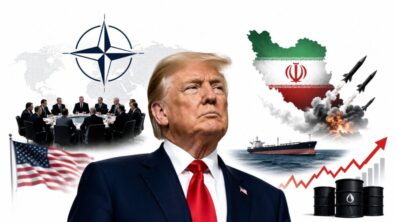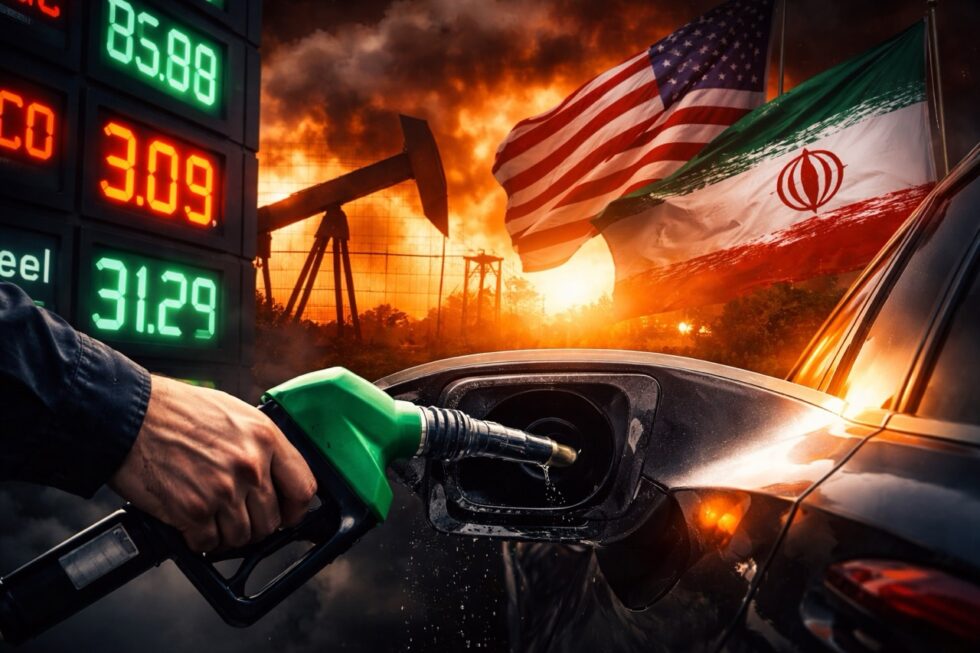
Global fuel prices began to decline on 9 April 2026 after signals of a temporary ceasefire between the United States and Iran, easing immediate pressure across oil markets and triggering early adjustments in wholesale pricing. Initial data indicate that petrol will start falling within 48 hours, while diesel is expected to lag by up to six to eight weeks, reflecting structural delays in refining, logistics and inventory turnover.
The shift follows de-escalation remarks attributed to Donald Trump, which prompted a rapid correction in crude benchmarks and removed part of the geopolitical risk premium tied to Gulf tensions. Analysts cited by The Independentconfirm that while wholesale markets react almost immediately, consumer prices adjust in phases — with petrol leading the decline and diesel trailing due to supply chain constraints — reported by The WP Times, citing Independent.
According to Patrick De Haan of GasBuddy, UK petrol prices could begin shifting within 48 hours, with gradual daily reductions rather than a single sharp drop.
By contrast, diesel prices are expected to adjust more slowly, with analysts projecting a six to eight week delay before meaningful declines reach the pump, highlighting differences in refining complexity and stock cycles. A separate estimate from Pavel Molchanov at Raymond James suggests that fuel prices could fall by approximately $0.12 per litre over at least two weeks, provided geopolitical stability holds and supply routes remain uninterrupted.
Why prices fall slower than they rise
One of the most persistent frustrations among drivers is the asymmetry of fuel pricing: costs rise rapidly in response to geopolitical shocks but decline far more slowly when conditions improve.
De Haan explains that this reflects how retail fuel markets operate. Wholesale prices fluctuate daily, but petrol stations must manage existing stock purchased at higher rates. As a result, retailers increase prices quickly to protect margins when costs surge, but reduce them gradually as they work through more expensive inventory. This view is supported by Wayne Winegarden of the Pacific Research Institute, who notes that while marginal costs may fall quickly, pricing adjustments are constrained by existing supply chains and storage economics.
Mixed signals across global markets
While early signs point to easing pressure across Europe, the global outlook remains uncertain. In Ukraine, fuel prices continue to vary significantly between operators, although some networks have begun adjusting prices in response to international market movements.
Officials have called on retailers to reflect lower wholesale costs more transparently. Ukraine’s state-backed network Ukrnafta has signalled potential price reductions, according to official statements, raising expectations that broader adjustments could follow if crude prices continue to decline.
In the United States, analysts remain cautious, warning that even if key transit routes such as the Strait of Hormuz remain open, fuel prices could stay elevated for months due to lingering geopolitical risk premiums, refinery constraints and seasonal demand pressures.
Background: why the ceasefire matters for oil markets
The US–Iran standoff has been one of the most significant drivers of volatility in global energy markets in 2026, with crude benchmarks repeatedly reacting to geopolitical signals rather than underlying demand. At the centre of this sensitivity is the Strait of Hormuz — a narrow maritime corridor through which around 20% of the world’s oil consumption and roughly one-third of seaborne crude trade passes daily. Even limited disruption or perceived risk in this route has historically triggered immediate price spikes of $5–10 per barrel within days, reflecting how tightly global supply chains are balanced.
In recent weeks, the geopolitical risk premium embedded in oil prices has been estimated by analysts at $3–7 per barrel, driven largely by fears of escalation in the Gulf. The ceasefire signal has therefore acted as a short-term stabiliser, removing part of this premium and pushing crude prices lower in early trading cycles. However, market participants stress that this reaction is tactical rather than structural. As several energy analysts have noted in recent briefings, “geopolitical de-escalation can reduce prices quickly, but it does not resolve underlying supply fragility” — particularly at a time when refinery capacity constraints and OPEC+ production discipline continue to shape the market.
Crucially, pricing dynamics remain highly asymmetric. While crude prices can fall within hours of positive geopolitical news, the transmission to retail fuel markets typically takes days for petrol and several weeks for diesel, due to inventory turnover and refining margins. Analysts warn that any renewed tension — even rhetorical — could reintroduce volatility almost instantly, with markets still operating in what traders describe as a “headline-driven environment”.
For consumers, the implication is clear: while the ceasefire may open a window for lower fuel prices, the effect is likely to be gradual, uneven and reversible. The current easing reflects a temporary alignment of political signals rather than a durable shift in global supply conditions, leaving pump prices exposed to rapid changes if the geopolitical landscape shifts again.
Read about the life of Westminster and Pimlico district, London and the world. 24/7 news with fresh and useful updates on culture, business, technology and city life: Fuel prices surge: what is the jet fuel price impact airlines and what happens next for travellers