
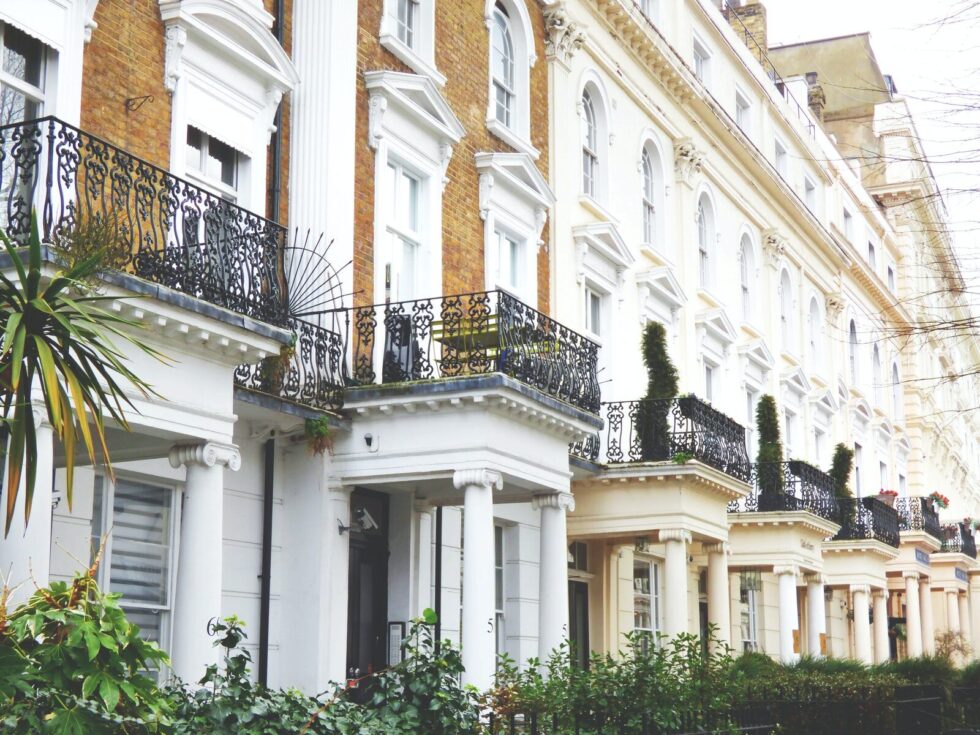
Buying property in Pimlico has long been a subject of debate among London investors. The area, nestled between Westminster and Chelsea, offers a unique combination of elegant Regency architecture, strong rental demand, and relative affordability compared to its prestigious neighbors. In 2025, the question of whether Pimlico remains a wise investment is tied to broader factors: rising interest rates, demand from young professionals, and the resilience of central London property markets. Analysts point out that Pimlico is undergoing subtle but significant gentrification, making it increasingly attractive to both domestic and international buyers. As noted by The WP Times, the district is shaping up to be one of Westminster’s most intriguing investment frontiers.
Pimlico’s location and character in the London market
Pimlico sits in a prime location, bordered by the River Thames to the south, Victoria to the north, and Chelsea to the west. The district is famous for its grid of garden squares, white stucco-fronted terraces, and close proximity to both the West End and Westminster political institutions. For buyers, this translates into a rare opportunity: living within walking distance of Parliament and Victoria Station while enjoying a quieter, more residential character. The balance of central access and tranquility has made Pimlico a niche market within Zone 1.
Rental yields in Pimlico average between 3.5% and 4.2% in 2025, slightly higher than in neighboring Belgravia. Demand is driven largely by young professionals employed in Westminster, Victoria’s business district, and the technology companies clustering around Battersea Power Station. This steady rental base provides a safety net for investors who seek consistent income.
Key characteristics that define Pimlico’s appeal in 2025:
- Central London location with Zone 1 transport links.
- Strong rental demand from professionals.
- Elegant architecture with historic value.
- Relative affordability compared to Chelsea and Belgravia.
- Ongoing regeneration and modern amenities.
Property prices and investment trends in 2025
By early 2025, average property prices in Pimlico hover around £1,000–£1,200 per square foot. This makes it significantly cheaper than Belgravia (over £2,000 per sq ft) or Knightsbridge (up to £3,500 per sq ft), while still benefiting from similar central London advantages. Market experts note that Pimlico’s “value gap” continues to attract buyers who are priced out of ultra-prime areas.
Despite higher mortgage rates across the UK, Pimlico has shown resilience. Transaction volumes remain stable, supported by cash-rich buyers from overseas. Investors from Europe and the Middle East see Pimlico as a secure foothold in London real estate, especially given the political stability of Westminster. At the same time, domestic buyers benefit from more predictable price appreciation compared to volatile fringe boroughs.
Average property prices in Pimlico (2025):
| Property Type | Average Price (2025) | Price per Sq Ft |
|---|---|---|
| 1-Bedroom Flat | £650,000 – £800,000 | £1,000 |
| 2-Bedroom Flat | £900,000 – £1.3M | £1,150 |
| 3-Bedroom Terrace | £1.8M – £2.5M | £1,200 |
| 4-Bedroom Townhouse | £3.5M – £5M | £1,300 |
This price structure demonstrates Pimlico’s role as a mid-luxury neighborhood: accessible compared to its glamorous neighbors, yet solidly premium within the wider London property landscape.
Rental market and buy-to-let potential
For landlords, Pimlico offers consistent returns. The average monthly rent for a one-bedroom flat in 2025 is between £2,000 and £2,300, while a two-bedroom commands £3,000–£3,400. This ensures a rental yield in line with central London averages, with strong tenant demand due to excellent transport connections. Victoria Station, with its National Rail and Underground lines, makes Pimlico a convenient base for commuters.
Unlike some trendy east London areas that see high turnover, Pimlico’s tenant base is relatively stable. Diplomats, civil servants, and professionals working in central offices often rent in Pimlico for multiple years, reducing void periods. Investors also note that short-let opportunities via Airbnb remain strong, particularly during parliamentary sessions or major events in central London.
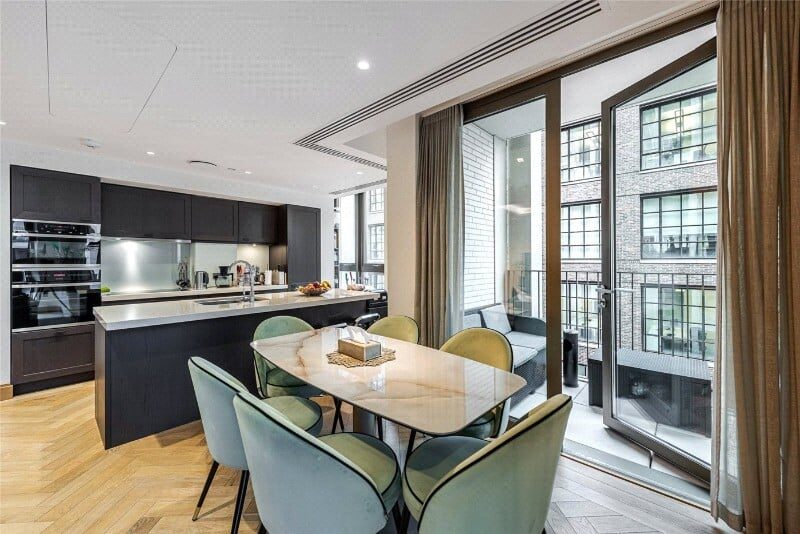
Rental ranges in Pimlico (2025):
- 1-Bedroom flat: £2,000 – £2,300/month
- 2-Bedroom flat: £3,000 – £3,400/month
- 3-Bedroom flat: £4,200 – £5,000/month
- Townhouses (short let): £6,000+/month
Infrastructure, regeneration, and lifestyle
Beyond numbers, Pimlico’s investment case is reinforced by infrastructure and lifestyle improvements. The ongoing upgrade of Victoria Station has improved accessibility, while Battersea Power Station’s redevelopment has expanded retail, leisure, and tech-industry employment nearby. Pimlico residents also enjoy easy access to Tate Britain, Battersea Park, and the cultural life of Westminster.
The district is also witnessing smaller regeneration projects: boutique hotels, artisan cafes, and upgraded public spaces. These developments enhance the quality of life and raise the area’s profile for international buyers who want a central location without the chaos of Soho or Mayfair. Schools such as Pimlico Academy and nearby Eaton Square School also attract families.
Reasons lifestyle factors boost Pimlico’s market value:
- Proximity to cultural institutions (Tate Britain, Westminster Abbey).
- Expanding retail and leisure at Battersea Power Station.
- Reliable schools and green spaces.
- Increasing presence of boutique shops and dining.
- Improved transport connections via Victoria and Pimlico Underground.
Risks and challenges for investors
No investment is without risk, and Pimlico is no exception. In 2025, higher interest rates remain a concern for leveraged buyers. While cash investors are less affected, those requiring mortgages must factor in increased monthly costs. Another risk is the relative scarcity of new-build developments in Pimlico compared to Nine Elms or Canary Wharf, limiting options for buyers seeking modern high-rise amenities.
There is also the issue of leasehold structures. Many properties in Pimlico remain leasehold, with varying lengths that can affect resale value. Buyers need to carefully assess lease terms and consider potential extension costs. Moreover, while Pimlico is safer than in previous decades, some areas still lack the polish of Belgravia or South Kensington.
Challenges to consider when investing in Pimlico:
- Rising mortgage rates and affordability.
- Limited supply of new-build properties.
- Leasehold complexities.
- Competition from regenerated areas like Nine Elms.
- Slower pace of luxury development compared to Chelsea.
Pimlico in 2025 stands at an interesting crossroads: not as flashy as Chelsea, not as exclusive as Belgravia, yet quietly building its reputation as a solid central London district for both lifestyle and returns. The mix of historic architecture, stable rental demand, and relative affordability makes it a balanced choice for investors who seek long-term resilience rather than speculative spikes. For landlords, yields remain healthy and tenant demand steady; for buyers, the “value gap” compared to neighboring zones still leaves room for growth. Risks exist – especially rising interest rates and leasehold issues – but the fundamentals remain strong. For those looking for central London property that combines tradition with steady investment logic, Pimlico continues to be one of the most promising areas in 2025.
Read about the life of Westminster and Pimlico district, London and the world. 24/7 news with fresh and useful updates on culture, business, technology and city life: What are the average salaries in Westminster and how do locals compare to Londoners