
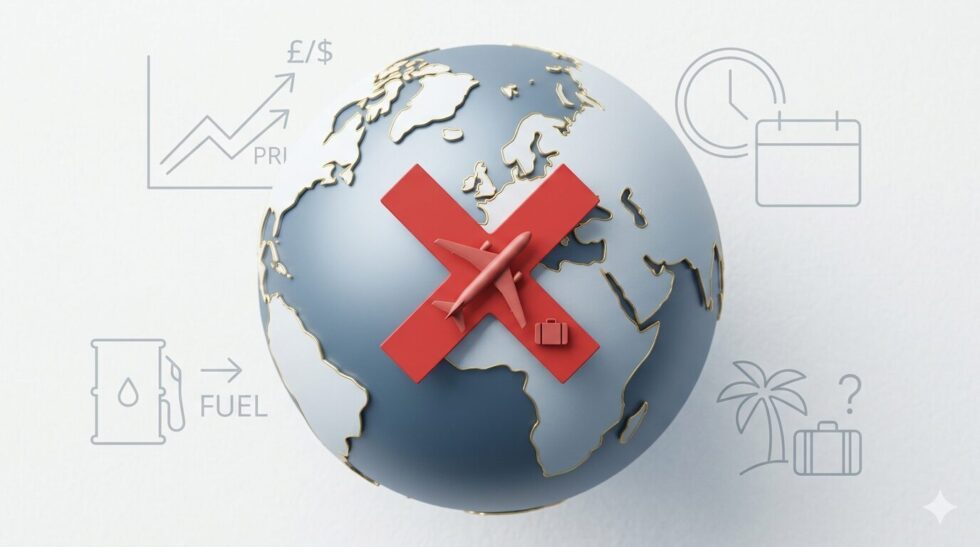
Global airlines serving the United Kingdom are drastically altering their schedules and hiking fares as the ongoing conflict in the Middle East triggers a volatile surge in jet fuel costs and logistical bottlenecks. Major carriers have confirmed plans to operate fewer flights to British hubs, forcing passengers to navigate a landscape of sudden cancellations and skyrocketing ticket prices for long-haul routes, according to an industry analysis by The WP Times via BBC.
The effective closure of the Strait of Hormuz to shipping since early March has paralyzed a critical artery for the world’s jet fuel supply. While physical shortages have not yet grounded entire fleets, the price of aviation fuel doubled between March and mid-April, forcing companies to pass these costs directly to consumers through aggressive surcharges and increased baggage fees.
Travel experts warn that long-haul flights to destinations like Melbourne and Hong Kong have seen price hikes exceeding 70% compared to last year. As the industry pushes for "extraordinary circumstances" status to avoid paying compensation for conflict-related delays, holidaymakers must secure comprehensive insurance and remain flexible with their summer itineraries to mitigate potential financial losses.
Strategic Reductions: The Shift in International Flight Schedules
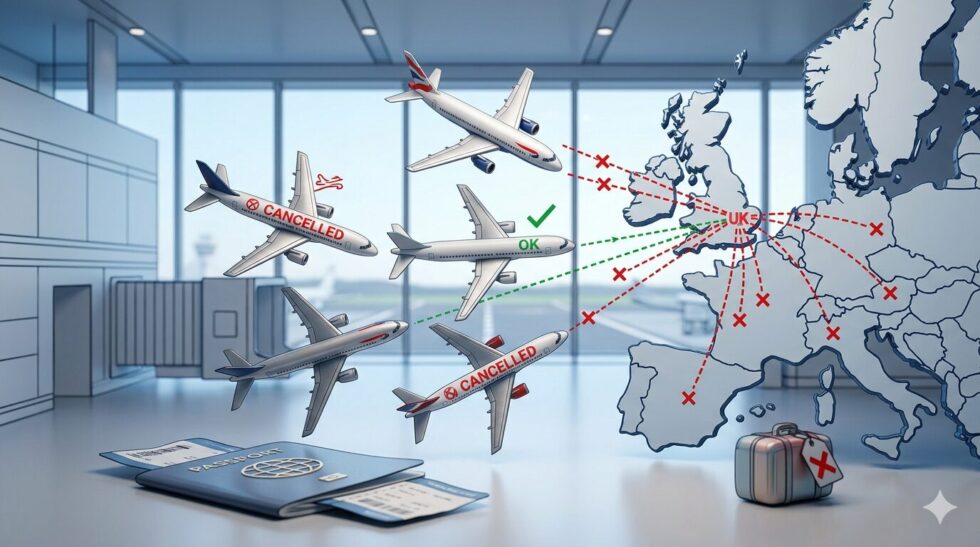
Several prominent international carriers have announced significant reductions in their flight frequencies to and from the UK to manage escalating operational costs. These companies are strategically targeting routes with multiple daily frequencies to ensure that affected passengers can be re-accommodated on alternative flights within the same day, thereby minimizing the legal fallout of total cancellations.
While major domestic players like Jet2Holidays and EasyJet are attempting to maintain their existing schedules, the pressure of fuel prices remains a constant threat to their long-term stability.
Airlines planning to operate fewer UK flights:
- KLM
- Air Canada
- Asiana Airlines
- Delta Airlines
- Lufthansa
- SAS
Escalating Costs: Long-Haul Routes Face Unprecedented Fare Hikes
The financial burden of the current geopolitical climate is manifesting most clearly in ticket pricing and supplementary fees. Beyond basic fare increases, carriers such as Virgin Atlantic and Thai Airways are opting to hike charges for checked luggage to offset the doubling of fuel prices.
The most dramatic increases are concentrated on routes that previously utilized airspace now avoided due to the conflict, forcing longer and significantly more expensive flight paths over Asia.
For instance, consultancy Teneo reports that flights from London to Melbourne in June now cost 76% more than in 2025, a trend expected to persist as airlines struggle to cover the heightened costs of fuel deals locked in at today's inflated rates.
"There is no right or wrong time to book, but I don't expect prices to fall over the rest of the year because airlines still need to cover the increased costs. It is vital to have a 'contingency pot' because even if you are covered for disruption, you may need to pay upfront and claim it back later, which can take months." — Jane Hawkes, Independent Consumer Commentator, regarding the current aviation crisis.
Consumer Protections: Navigating Refunds and the Extraordinary Clause
In the event of a flight cancellation, UK consumer law mandates that the airline must either get the passenger to their destination or provide a full refund. Furthermore, if a delay exceeds two hours, carriers are required to provide food and hotel accommodation.
However, a significant legal battle is brewing as airlines lobby for fuel shortages caused by the Middle East conflict to be classified as "extraordinary circumstances," which would exempt them from paying standard cash compensation.
While package holiday operators can technically add up to 8% to the cost of a trip after booking due to fuel hikes, many major UK operators have recently promised to waive these surcharges to maintain customer loyalty during the summer peak.
Protective Measures: Insurance and Flexibility for 2026 Travelers
With the aviation market in a state of flux, the decision of whether to book now or wait for last-minute deals involves significant calculated risk. Experts suggest that waiting is unlikely to yield bargains as airlines focus on covering increased fuel expenses rather than filling empty seats through discounts. Flexibility has become the most valuable currency; switching to rail travel within Europe or opting for a UK-based "staycation" are increasingly popular ways to bypass the volatility of the flight market.
Travelers are strongly advised to check their insurance policies specifically for "disruption cover," as standard policies may not include cancellations stemming from geopolitical fuel shortages or related logistical failures.
Read about the life of Westminster and Pimlico district, London and the world. 24/7 news with fresh and useful updates on culture, business, technology and city life: British fighter jets scramble after Russian strike near NATO border as drone debris hits Romania