Pimlico, located just south of Westminster, is a neighborhood that blends history, architecture, and cultural vibrancy in a unique way. While it is often overshadowed by its famous neighbors such as Chelsea and Belgravia, Pimlico has steadily built a reputation for being a cultural haven for those who value intimacy and authenticity. Its tree-lined streets, elegant Regency architecture, and quiet squares provide a setting that contrasts with the bustling heart of London. Yet beneath this calm surface lies an active cultural scene filled with artistic initiatives, local performances, and hidden corners that delight both residents and visitors. For Londoners, Pimlico represents a space where culture is not consumed in a rush but savored in personal encountersreports The WP Times.
Galleries in Pimlico
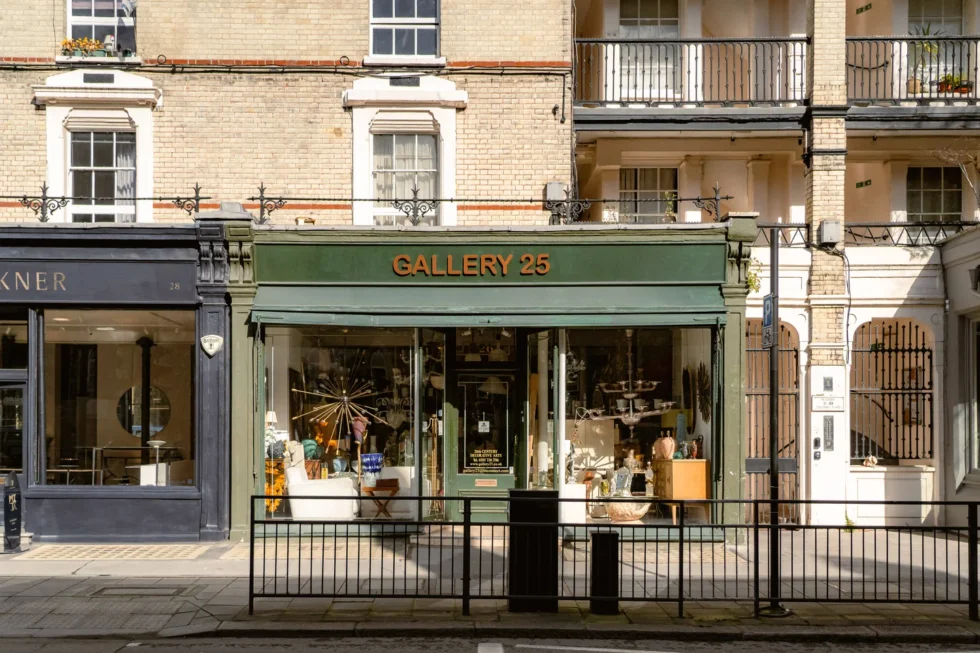
The galleries of Pimlico hold a special place in the district’s cultural identity. Unlike large institutions such as the Tate Britain, which sits just outside Pimlico’s borders, local galleries operate on a smaller scale, focusing on originality and direct interaction with the public. These spaces often serve as incubators for emerging talent, giving young and lesser-known artists the opportunity to exhibit. Visitors are attracted not only by the art itself but also by the chance to meet creators and curators face-to-face. This type of interaction fosters deeper appreciation and opens dialogue about contemporary issues expressed through art. In many ways, Pimlico’s galleries offer a slower, more personal alternative to the fast-paced cultural consumption found elsewhere in London.
Local and independent art spaces
One of Pimlico’s defining strengths lies in its independent gallery culture. Free from institutional constraints, these spaces can take risks, experiment with themes, and present works that may not fit into mainstream expectations. Many galleries focus on contemporary or experimental art, offering perspectives that challenge traditional boundaries. For local artists, this environment provides freedom and recognition, while for visitors it ensures variety and constant novelty. The galleries’ closeness to residential areas also adds to their accessibility, encouraging residents to incorporate art into their daily lives. Regularly changing exhibitions further support the idea of Pimlico as a dynamic cultural district that never stops evolving.
List of notable gallery features in Pimlico:
- Focus on contemporary and experimental art.
- Strong ties between local artists and curators.
- Rotating exhibitions that highlight fresh perspectives.
- Workshops and events for community participation.
- Small, welcoming spaces that foster personal connections.
These features highlight why Pimlico is beloved among those who prefer authentic encounters with art. Instead of being overwhelmed by grand halls or long queues, visitors are welcomed into spaces that feel approachable and human. Conversations with artists are often spontaneous, while workshops allow both children and adults to engage creatively. The galleries not only showcase talent but also educate, inspire, and nurture appreciation for different forms of expression. This model supports cultural sustainability and ensures that Pimlico’s artistic spirit remains alive. Over time, these intimate venues have transformed into gathering places for dialogue and creativity, contributing greatly to the neighborhood’s unique charm.
Theatres and performance culture
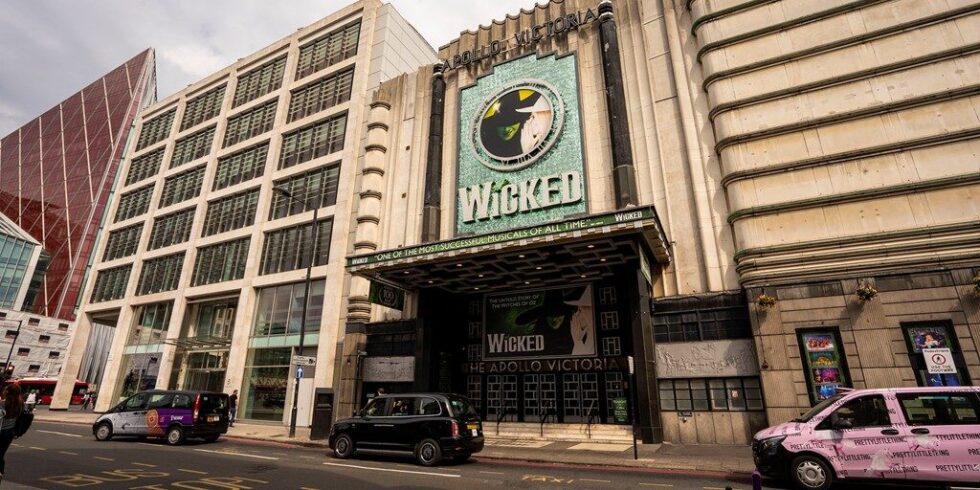
Beyond visual art, Pimlico thrives through its smaller but significant theatre and performance scene. Unlike the grand commercial theatres of the West End, local theatres emphasize originality, intimacy, and community involvement. They bring together professionals, amateurs, and students, offering a diverse program that reflects both tradition and experimentation. Many of these spaces prioritize audience participation, transforming performances into shared experiences rather than one-sided shows. This approach has made Pimlico an attractive cultural hub for Londoners who seek alternatives to mainstream entertainment. The strong sense of local identity ensures that theatre in Pimlico remains deeply rooted in its community.
Before examining specific venues, it is important to highlight how Pimlico’s theatres differ from others across London. They tend to favor smaller productions that rely on creativity rather than budget, meaning that performances often explore unconventional themes. This provides a platform for voices that might otherwise go unheard. Additionally, by involving local residents in rehearsals and workshops, theatres build strong connections with their audiences. Such involvement keeps the performances grounded in real-life experiences, offering authenticity and relatability. The result is an intimate performance culture that balances artistic ambition with community values.
Key theatre highlights in Pimlico
| Theatre | Specialty | Community involvement |
|---|---|---|
| The Orange Tree Space | Contemporary plays | Local workshops and readings |
| St. Gabriel’s Hall | Community drama | Amateur groups and festivals |
| Pimlico Playhouse | Experimental theatre | Student and emerging artist projects |
This table showcases the diversity of Pimlico’s theatres and their contributions to the local cultural environment. Each venue specializes in something different, from contemporary productions to experimental performances, ensuring there is something for every taste. More importantly, their active involvement with the community demonstrates how theatre in Pimlico extends beyond entertainment—it becomes a space of dialogue, participation, and growth. Audiences are not passive consumers but active contributors to the cultural process. This strong link between residents and theatres ensures the sustainability of artistic life in the district. It also strengthens Pimlico’s identity as a creative neighborhood where theatre belongs to everyone.
Community-driven performances
Community-driven performances are at the heart of Pimlico’s theatre culture. Local groups, students, and amateurs frequently bring their productions to life, supported by neighborhood enthusiasm. These performances provide a vital stepping stone for aspiring actors and directors, giving them experience in front of supportive audiences. At the same time, they create strong social bonds, as neighbors gather to celebrate the achievements of those they know personally. The affordability of these productions makes theatre accessible to a wider demographic, ensuring inclusivity. By rooting theatre in local life, Pimlico has built a resilient performance culture that reflects its collective spirit.
Hidden gems of Pimlico
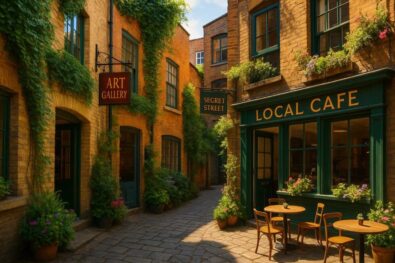
Beyond galleries and theatres, Pimlico hides a collection of cultural treasures that make wandering its streets rewarding. These hidden gems often reveal themselves only to those who take the time to explore. Independent bookshops, family-run cafés, historic churches, and vibrant murals offer experiences that connect people to the area’s history and creativity. Unlike mainstream cultural destinations, these places thrive on personal charm and unique character. They demonstrate that culture is not always found in established venues but can emerge in everyday spaces. Pimlico’s quieter character makes it ideal for this type of cultural discovery, offering moments of surprise and inspiration around every corner.
Exploring these hidden gems also reveals the resilience of Pimlico’s cultural fabric. Many of these places survive thanks to strong community loyalty and support. Bookshops specializing in rare collections, for instance, continue to attract readers and researchers despite competition from digital media. Cafés that double as art spaces become hubs for conversation and collaboration. Even small street markets add to the cultural mosaic by promoting craftsmanship and local traditions. These places capture the neighborhood’s soul, offering authenticity that cannot be replicated elsewhere. Their presence turns Pimlico into more than just a residential area—it becomes a living cultural ecosystem.
List of hidden cultural gems in Pimlico:
- Independent bookshops with rare collections.
- Family-run cafés doubling as art spaces.
- Historic churches offering concerts.
- Street murals in residential alleys.
- Vintage markets with local craftsmanship.
These hidden gems not only enrich Pimlico’s identity but also invite residents and visitors to engage more deeply with the neighborhood. Each discovery adds a new layer to the cultural experience, reminding people that creativity exists beyond official institutions. They provide spaces where personal stories and traditions intersect, creating meaningful encounters. Many Londoners return to Pimlico precisely for this sense of authenticity and intimacy. Hidden gems also support diversity, offering a wide range of cultural expressions that complement the galleries and theatres. In this way, they are an essential part of Pimlico’s cultural life and heritage.
The role of local community in preserving gems
Preserving these hidden gems requires the active involvement of the community. Residents promote independent businesses, support cultural events, and defend historic spaces from redevelopment. Local organizations often step in to protect landmarks or to restore neglected areas, ensuring that Pimlico’s unique character is not lost. This community commitment reflects pride in local heritage and a desire to safeguard cultural spaces for future generations. Without such support, many hidden gems would likely disappear under the pressure of modernization. Instead, Pimlico thrives as a district where tradition and creativity are preserved side by side.
Pimlico’s cultural identity
In conclusion, Pimlico demonstrates how a neighborhood can cultivate a vibrant cultural identity outside of London’s main tourist routes. Its galleries highlight independence and innovation, its theatres nurture both professional and amateur creativity, and its hidden gems add layers of surprise and authenticity. What makes Pimlico special is the way all these elements are tied together by community involvement and pride. Unlike commercial districts, Pimlico offers culture in intimate, approachable ways that feel personal and genuine. For Londoners, it provides an opportunity to enjoy culture in a familiar, neighborhood setting. For visitors, it represents a side of London where art and heritage are experienced quietly yet profoundly.
Read about the life of Westminster and Pimlico district, London and the world. 24/7 news with fresh and useful updates on culture, business, technology and city life: Nightlife in Westminster: where to go out after sunset in central London.
Photo: Russell Simpson.