
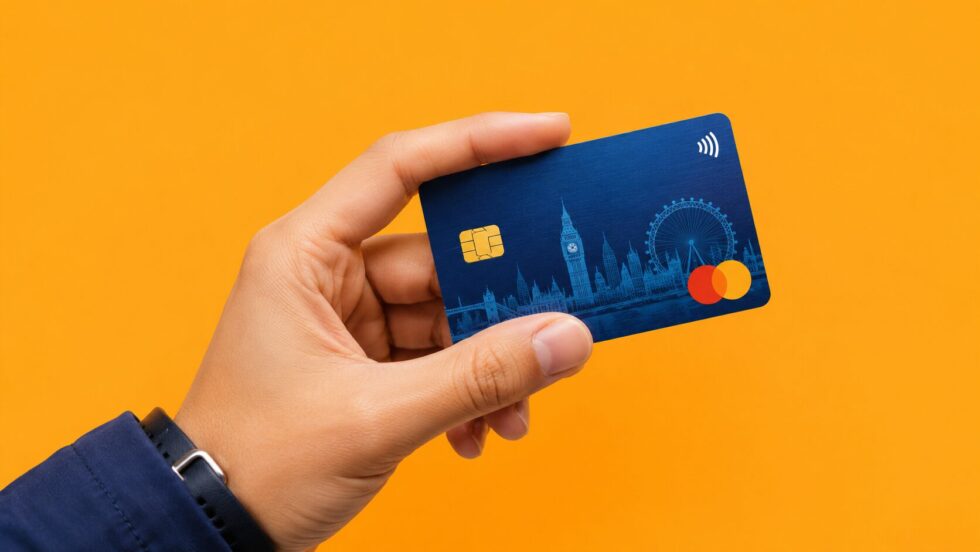
Best UK Cashback Cards 2026 For London commuters and travel are becoming less about luxury perks and more about surviving everyday costs across Transport for London, rail fares, airport spending and rising food prices. In 2026, many UK commuters are no longer choosing cards purely for airline miles or premium lounge access. Instead, the strongest demand is shifting toward cashback structures tied to trains, Underground journeys, fuel, groceries, airport purchases and flexible overseas spending, particularly as inflation pressure continues to affect London households and hybrid workers, reports The WP Times. Several UK banks have also quietly redesigned their cashback logic during 2026, increasing monthly reward caps, adjusting travel categories and targeting commuters directly through transport-linked offers.
For regular London commuters, the difference between a weak cashback card and an efficient one can now exceed several hundred pounds annually once train tickets, contactless commuting, airport expenses, food delivery and international spending are combined. The most competitive cards in the UK market are no longer only American Express products. Visa and Mastercard providers are increasingly targeting customers who rely on TfL daily, travel between London and major UK cities, or combine business and leisure travel across Europe. Industry analysts also note that foreign transaction fees, reward caps and retailer exclusions remain one of the biggest hidden problems in the UK cashback market, especially for younger professionals who assume all cashback products function similarly.
Why London commuters are changing how they use cashback cards in 2026
The economics of commuting in London changed significantly after rail fare increases, higher Transport for London costs and continued hybrid working patterns altered spending behaviour. Instead of purchasing long annual travel products, many professionals now spend dynamically across Tube journeys, peak rail tickets, ride-hailing apps, flexible coworking locations and airport-linked trips. That shift has forced cashback providers to redesign reward categories around “everyday transport” rather than traditional travel definitions.
Several UK banks now explicitly classify TfL and transport spending as cashback categories. This matters because older UK reward systems often excluded Underground journeys, buses or local rail from premium cashback structures. In practice, that meant commuters earned little from one of their largest monthly expenses. The newer approach is more aggressive. Digital-first banks and challenger providers increasingly use cashback as a retention tool in the battle for younger urban customers.
Another major change is the decline of pure airline-mile obsession. While Avios and premium travel cards still dominate among frequent flyers, London commuters increasingly prefer direct cashback that lowers monthly household pressure immediately rather than collecting long-term reward points.
Financial comparison platforms across the UK repeatedly warn that reward systems only make sense if balances are cleared in full every month because interest rates can quickly erase cashback gains.
That shift has changed the psychology of the market. In 2026, practical value often beats aspirational travel branding. Cashback on trains, Pret subscriptions, airport transfers, supermarkets and hotels now matters more than symbolic luxury perks for many commuters in London and the South East.
What London commuters now spend most money on
| Expense Category | Typical Monthly Cost In London | Cashback Relevance |
|---|---|---|
| TfL travel | £180–£350 | High |
| National Rail commuting | £250–£700 | Very high |
| Airport transport | £40–£120 | Medium |
| Food delivery & coffee | £120–£300 | High |
| Hotel & weekend travel | £100–£500 | Medium |
| Fuel & EV charging | £80–£250 | Medium |
| Overseas spending | Variable | High for travellers |
Which cashback cards stand out in the UK market this year
The strongest cashback products in 2026 are increasingly divided into three categories: flat-rate cashback cards, transport-focused travel cards and premium rewards ecosystems. Each model serves a different commuter profile, and confusion often begins when consumers compare headline cashback percentages without analysing limits and exclusions.
The Santander Edge Credit Card remains one of the more aggressive mainstream cashback products for UK consumers because it combines cashback with no foreign transaction fees on purchases abroad. However, the monthly fee changes the equation. Heavy spenders and commuters who travel internationally may still come out ahead, but low-volume users often overestimate the net gain after fees are deducted.
NatWest’s Travel Reward Credit Card has gained attention because it directly rewards transport and travel spending categories including trains, buses, hotels and flights. For London-based commuters who also travel regularly across Europe, the structure aligns more naturally with real-life spending behaviour than traditional cashback systems focused only on supermarkets or department stores.
American Express remains dominant in raw reward potential for many higher-income users. Yet acceptance limitations continue to frustrate commuters across independent retailers, smaller cafés and some transport-linked services. UK financial analysts repeatedly note that Mastercard and Visa products remain operationally easier for everyday London spending.
Meanwhile, digital banks like Chase are reshaping expectations around debit-linked cashback by integrating transport rewards into broader daily spending ecosystems. This has increased pressure on legacy banks to modernise commuter-oriented reward structures.
Cards gaining attention among London professionals
- Santander Edge Credit Card
- NatWest Travel Reward Credit Card
- Barclaycard Rewards
- American Express Platinum Cashback
- Chase debit cashback ecosystem
- Lloyds cashback products
- Virgin Money Everyday Cashback
- Halifax Clarity for travel spending
- HSBC rewards systems
The hidden problem with cashback cards most commuters ignore
One of the least understood issues in the UK cashback market is how aggressively reward caps reduce actual annual savings. Many commuters see “1% cashback” and assume the percentage applies universally without monthly limitations. In reality, some providers cap earnings at relatively low levels, reducing the practical annual value substantially.
For example, some UK cashback systems limit monthly cashback to £10–£20. That can significantly reduce effectiveness for London commuters spending heavily on rail travel, food and business-related mobility costs. Once the cap is reached, additional spending generates no reward at all.
Another major issue involves merchant classification systems. Certain rail providers, airport terminals or booking platforms may not fall under official “travel” categories depending on how transactions are processed. This creates frustration among users who expect automatic cashback eligibility.
Foreign transaction fees remain another trap. Some UK cards still charge close to 3% overseas despite offering travel branding. That instantly destroys much of the reward value for commuters or professionals travelling frequently between London and Europe.
There is also a behavioural problem. UK financial experts continue warning that cashback cards only benefit consumers who fully clear balances monthly. Once revolving debt enters the equation, interest rates rapidly outweigh reward gains.
Common cashback mistakes London commuters make
- Chasing high headline cashback without checking caps
- Ignoring monthly card fees
- Carrying balances and paying interest
- Using Amex where acceptance is weak
- Forgetting overseas transaction charges
- Assuming all transport spending qualifies
- Over-spending psychologically to “earn rewards”
How TfL spending changed the cashback competition
Transport for London has quietly become one of the most important battlegrounds in the UK retail banking market. Daily contactless commuting generates enormous transaction volume, particularly among professionals moving between Zones 1–4 five days a week.
Several banks now actively market cashback structures around “everyday transport.” This reflects a broader strategic shift: transport transactions are predictable, recurring and sticky. A commuter who consistently taps the same card across Underground gates every day is less likely to switch banking ecosystems easily.
The rise of hybrid work has also changed commuting frequency. Instead of annual season tickets dominating spending, more workers now use flexible travel patterns involving rail apps, weekly passes, airport transfers and occasional intercity journeys. Cashback systems adapted because traditional rail season-ticket economics no longer represent the full commuter reality.
Some banks additionally integrate rewards with app-based spending analysis, giving users category insights linked to transport, restaurants and subscriptions. Challenger banks are particularly aggressive in this area because they compete through user experience rather than branch infrastructure.
A senior UK retail banking analyst told British media earlier this year:
“The modern commuter is no longer just buying a train ticket. They are buying a mobility ecosystem.” (Retail banking market commentary cited in UK financial sector reporting)
That change explains why cashback design increasingly overlaps with lifestyle analytics rather than simple credit-card marketing.
Best cashback strategies for London travellers in 2026
The most effective strategy for many commuters is no longer relying on one card exclusively. Instead, experienced users increasingly split spending categories strategically between transport-focused cards, overseas-friendly cards and premium cashback systems.
For example, some commuters now combine:
- a no-foreign-fee travel card,
- a cashback debit card for groceries and transport,
- and a premium rewards card for large purchases.
This layered strategy can increase annual savings considerably without relying on a single provider’s limitations. However, it requires discipline and careful repayment behaviour.
Consumers travelling frequently between London and European cities should also prioritise:
- FX fee structures,
- airport acceptance,
- digital wallet compatibility,
- fraud response speed,
- and travel-insurance integration.
Airport spending is another overlooked category. Many travel-focused UK cards include lounge offers or hotel discounts, but commuters often gain more practical value from flexible cashback systems tied to everyday transport and dining rather than luxury airport experiences.
Comparison of practical commuter priorities
| Feature | Importance For London Commuters |
|---|---|
| TfL cashback compatibility | Very high |
| No foreign transaction fees | High |
| Mobile wallet support | High |
| Cashback caps | Critical |
| Airport lounge access | Medium |
| Rail rewards | High |
| Annual fees | Critical |
| App usability | High |
Why cashback cards are becoming political in Britain
The expansion of cashback banking products is also linked to wider economic pressure across Britain. Banks increasingly market cashback as a tool for coping with inflation and rising household costs rather than as luxury consumer finance.
Recent UK banking campaigns specifically frame cashback around groceries, transport and bills. That messaging would have been less common several years ago when rewards marketing focused more heavily on aspirational travel and premium status.
For London commuters, the issue is especially visible because transport inflation remains highly sensitive politically. Rail fares, congestion costs and fuel prices directly shape household budgets across Greater London and commuter regions.
Banks understand this pressure. Cashback has therefore become partially defensive — a way to prevent customers from switching providers while appearing aligned with cost-of-living concerns.
Financial analysts also note that younger consumers increasingly distrust traditional loyalty systems that require years of point accumulation before delivering visible rewards. Direct cashback feels more transparent and psychologically immediate.
At the same time, regulators continue monitoring how reward products are marketed. UK financial guidance repeatedly stresses responsible borrowing behaviour and warns against encouraging spending purely for cashback accumulation.
Which types of London commuters benefit most from cashback cards
Not every commuter benefits equally from cashback products. The strongest value typically appears among consumers who:
- spend heavily,
- travel frequently,
- repay balances fully,
- and use digital payment ecosystems consistently.
Hybrid workers with irregular travel schedules often benefit more from flexible cashback structures than from rigid rail-season-ticket economics. Meanwhile, international professionals moving between London and European cities can save substantially through cards with no FX charges.
Young professionals in Zones 2–4 also increasingly use cashback systems as budgeting tools because transport and coffee spending together now represent a surprisingly large percentage of monthly urban expenditure.
However, consumers with existing credit-card debt generally gain less value from cashback systems. Interest costs quickly erase rewards, particularly in the UK market where representative APR figures remain high across many products.
Who benefits most
| User Type | Cashback Potential |
|---|---|
| Daily TfL commuter | High |
| Frequent European traveller | High |
| Hybrid worker | Medium to high |
| Occasional traveller | Medium |
| Revolving credit-card borrower | Low |
| Premium airline user | Depends on spend |
| Student commuter | Medium |
The cards most experts still mention in 2026
Despite the rise of challenger banks, the same core names continue dominating UK cashback discussions:
- American Express,
- Santander,
- Barclaycard,
- NatWest,
- Chase,
- Lloyds,
- Virgin Money,
- Halifax,
- HSBC.
Each targets different spending psychology. Some optimise simplicity. Others reward ecosystem loyalty. Premium travel cards still dominate among high earners, while debit-linked cashback systems increasingly attract younger professionals who want predictable monthly savings without credit complexity.
The most important shift in 2026 is that cashback is no longer niche personal-finance optimisation. For many London commuters, it has become part of everyday cost management. Transport, food, airport mobility and flexible travel patterns now shape how UK banks design reward products.
The result is a more competitive — but also more confusing — cashback market than Britain has seen in years.
Why premium travel cards are quietly losing ground in London
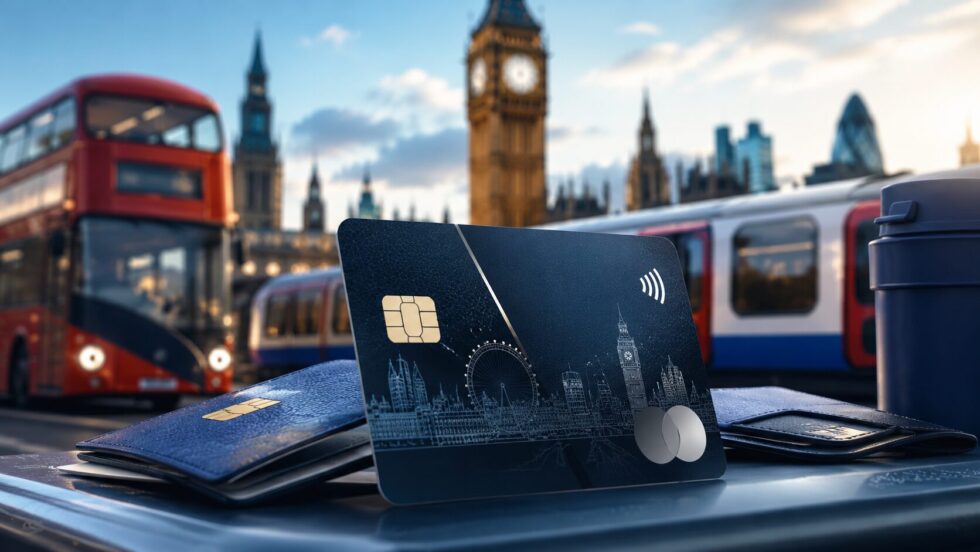
Best UK Cashback Cards 2026 For London commuters and travel are no longer dominated by ultra-premium airport cards because daily urban transport economics changed faster than the rewards industry expected. The strongest growth in the UK market is now happening around hybrid “commuter-travel” products that combine cashback on trains, buses, Underground journeys, groceries and overseas spending rather than focusing only on luxury travel perks. Financial analysts tracking UK retail banking say this reflects a structural shift in how London professionals spend money after inflation, rail fare increases and hybrid work permanently altered commuting patterns. Cashback providers increasingly compete around “daily movement” spending instead of aspirational travel branding alone, while TfL-linked payment behaviour became one of the most valuable datasets inside British retail banking ecosystems.
That transition also explains why several premium airline-oriented cards lost momentum among younger professionals in London during 2025–2026. Many commuters discovered that expensive annual fees and complex points systems delivered weaker real-world value compared with simple cashback structures tied to transport and flexible travel. Banks additionally noticed that younger consumers increasingly prefer visible monthly savings over long-term loyalty accumulation. The result is a more pragmatic UK cashback market where the strongest-performing products are often not the most luxurious. Instead, they are the cards commuters actually tap at Underground barriers every morning.
How British banks are redesigning cashback around transport behaviour
The relationship between Transport for London and digital banking platforms has become strategically important because commuting transactions happen constantly, predictably and at scale. Chase, for example, aggressively expanded its transport-focused cashback positioning during 2025 and 2026 by integrating cashback messaging directly into the TfL ecosystem and transport-reader branding across London Underground and Elizabeth line infrastructure.
The logic behind this strategy is commercial rather than symbolic. Banks know that commuters rarely switch their primary transport payment card once habits are established. If a customer taps the same Visa or Mastercard twice daily across Underground gates, buses and rail networks, that payment behaviour becomes deeply embedded. Cashback therefore acts less like a bonus and more like customer-retention infrastructure.
Transport-linked spending also gives banks highly valuable behavioural data. Daily commuting patterns reveal work schedules, spending clusters, travel frequency and lifestyle habits. Challenger banks increasingly use this information to personalise offers around coffee chains, airport transport, subscriptions and retail partners. That is one reason cashback competition in Britain now overlaps with fintech analytics rather than traditional credit-card marketing.
The commuter card is slowly becoming a behavioural platform rather than a simple payment product.
Where cashback banking is expanding fastest
| Sector | Why Banks Target It |
|---|---|
| TfL contactless travel | Daily recurring spending |
| Rail commuting | High monthly transaction volume |
| Airport transport | Premium customer profiling |
| EV charging | Growth segment |
| Grocery spending | Stable repeat behaviour |
| Coffee & food chains | Urban lifestyle retention |
| Hotel bookings | Higher-margin partnerships |
The real annual savings London commuters can realistically achieve
One of the biggest misconceptions in British cashback marketing is the assumption that cashback generates dramatic wealth. In practice, most London commuters save between £120 and £450 annually depending on transport frequency, travel patterns and overseas spending habits.
A commuter travelling five days weekly across Zones 1–4 may spend:
- £250–£350 monthly on transport,
- £200+ on groceries,
- £100–£300 on restaurants or delivery apps,
- plus occasional rail and airport spending.
When cashback categories align properly, these transactions begin stacking meaningfully over a full year. However, actual returns depend heavily on:
- reward caps,
- annual fees,
- overseas charges,
- and merchant exclusions.
Some providers heavily market “1% cashback” while quietly limiting earnings to £10 or £15 monthly. That dramatically changes the effective annual return for higher-spending commuters.
For example, a London professional spending £2,000 monthly may assume they are generating £240 yearly at 1% cashback. But if the provider caps monthly rewards at £10, the realistic maximum becomes £120 before fees.
Estimated annual commuter cashback scenarios
| Spending Type | Estimated Cashback Potential |
|---|---|
| Light commuter | £60–£120 |
| Daily TfL commuter | £120–£220 |
| Hybrid commuter + travel | £180–£350 |
| Frequent European traveller | £250–£450 |
| Premium spender | Variable |
Why Mastercard and Visa are outperforming Amex in commuter spending
American Express still dominates many UK reward rankings mathematically, but London commuters increasingly prioritise acceptance reliability over theoretical reward potential. That distinction matters more in Britain than many consumers initially expect.
Independent cafés, smaller restaurants, local convenience shops and some transport-linked merchants still reject Amex entirely. For commuters, this creates friction throughout the day. Visa and Mastercard products therefore maintain operational dominance despite lower headline reward rates.
Industry analysts increasingly describe Amex as strongest for:
- planned spending,
- airline bookings,
- hotels,
- and large retail purchases.
But Mastercard and Visa remain structurally stronger for:
- TfL travel,
- independent food shops,
- rail stations,
- small urban retailers,
- and flexible everyday spending.
This explains why many experienced cashback users now run multi-card systems instead of relying exclusively on one provider.
Common two-card commuter strategies
- Visa or Mastercard for daily commuting
- Amex for major purchases and travel bookings
- No-FX-fee card for Europe travel
- Cashback debit card for transport and groceries
- Airline card only for long-haul travel spending
How overseas spending changes the cashback equation
Foreign transaction fees remain one of the most important — and least understood — aspects of UK cashback cards in 2026. Some cards offering attractive domestic cashback still charge nearly 3% abroad, instantly reducing travel value for commuters regularly flying between London and European cities.
Cards with no FX fees increasingly dominate among:
- consultants,
- remote workers,
- startup founders,
- journalists,
- and hybrid business travellers.
For these users, overseas transaction flexibility often matters more than domestic cashback percentages. A commuter who spends £4,000 annually abroad can lose £120 immediately through poor FX structures alone.
NatWest’s Travel Reward positioning gained attention partly because it combines travel rewards with no foreign transaction fees. Barclays, Halifax and Santander also compete aggressively in this area because international spending has become central to modern London work culture.
Another important factor is ATM withdrawal treatment abroad. Some UK products remain fee-free for purchases but still impose expensive cash withdrawal costs internationally. Frequent travellers increasingly evaluate:
- exchange-rate quality,
- app alerts,
- fraud detection,
- and emergency card replacement speed.
In 2026, travel banking is no longer only about rewards. Reliability abroad became equally important.
The rise of “cashless London” changed commuter psychology
London’s transition toward near-total contactless infrastructure fundamentally changed how consumers think about banking. Visitors arriving in the city increasingly discover that physical cash is almost irrelevant across large parts of the transport and retail ecosystem.
That shift amplified cashback competition because payment choice now happens constantly throughout the day. Every Underground gate, coffee purchase, Pret subscription or airport transfer becomes another behavioural decision tied to one banking ecosystem.
The psychological effect is powerful:
- commuters see rewards instantly,
- app notifications reinforce spending habits,
- and cashback becomes part of everyday financial feedback loops.
Digital-first banks particularly benefit from this structure because their mobile apps visualise cashback activity in real time. Traditional banks historically lagged behind in this area, though many accelerated app development after challenger banks began attracting younger urban customers.
The disappearance of cash also strengthened the importance of payment redundancy. London travellers increasingly carry:
- one primary card,
- one backup Visa or Mastercard,
- plus digital-wallet access.
This became especially important after reports of AI fraud-detection systems occasionally blocking legitimate foreign transactions unexpectedly.
Which commuter spending categories are becoming more valuable
The UK cashback market is also evolving because banks now understand that not all consumer spending categories create equal retention power. Transport spending is highly valuable because it is habitual. Grocery spending is stable. Airport spending often correlates with higher-income customers.
As a result, banks increasingly prioritise cashback categories linked to:
- movement,
- subscriptions,
- recurring urban routines,
- and lifestyle infrastructure.
Several providers now explicitly market cashback around:
- trains,
- buses,
- EV charging,
- fuel,
- groceries,
- and transport-linked spending.
That differs sharply from older cashback systems built around department-store partnerships or airline-only ecosystems.
Spending categories banks now prioritise
| Category | Strategic Banking Value |
|---|---|
| Public transport | Extremely high |
| Supermarkets | High |
| EV charging | Fast-growing |
| Hotels | Medium-high |
| Fuel | Stable |
| Rail bookings | High |
| Coffee chains | Urban retention |
| Food delivery | Behavioural tracking |
What commuters should check before applying for a cashback card
Many UK consumers still choose cashback cards emotionally instead of structurally. Financial comparison experts repeatedly warn that the strongest-looking reward products on advertising banners are not always the best practical choices once real usage patterns are analysed.
Before applying, commuters should evaluate:
- reward caps,
- annual fees,
- overseas policies,
- app quality,
- customer-service reputation,
- and category exclusions.
A commuter travelling daily through London plus several European trips yearly has completely different needs from someone mainly spending domestically.
The strongest cashback strategies are usually boring rather than glamorous. They focus on:
- stable savings,
- fee avoidance,
- predictable categories,
- and operational reliability.
Industry analysts additionally warn against “cashback inflation psychology” where consumers subconsciously spend more simply because purchases appear rewarded. The effect is real. Behavioural-finance research consistently shows that visible reward systems can distort spending perception.
That is why the most financially effective cashback users tend to:
- automate repayments,
- track categories carefully,
- and avoid carrying balances entirely.
Why 2026 may become the most competitive cashback year Britain has seen
British retail banking is entering an unusually aggressive competition cycle because digital challengers continue attacking legacy institutions through cashback and app-driven ecosystems. Transport-linked partnerships, especially around London commuting, are becoming central battlegrounds.
Traditional banks still hold scale advantages. Challenger banks hold experience advantages. The cashback market therefore keeps evolving rapidly as both sides attempt to capture urban professionals navigating increasingly expensive commuting conditions.
For London commuters, this competition is producing better products — but also more complexity. The strongest cashback card in 2026 depends less on branding and more on behavioural alignment:
- how often somebody travels,
- whether they commute daily,
- how frequently they fly,
- and whether they repay balances monthly.
The era when one “best travel card” worked universally for everyone is fading. Britain’s cashback market is becoming fragmented, personalised and increasingly tied to everyday mobility patterns across London and beyond.
Read about the life of Westminster and Pimlico district, London and the world. 24/7 news with fresh and useful updates on culture, business, technology and city life: Plan to exempt state pensioners from tax will help just 700,000 – why UK pension tax threshold hits 13 million retirees