
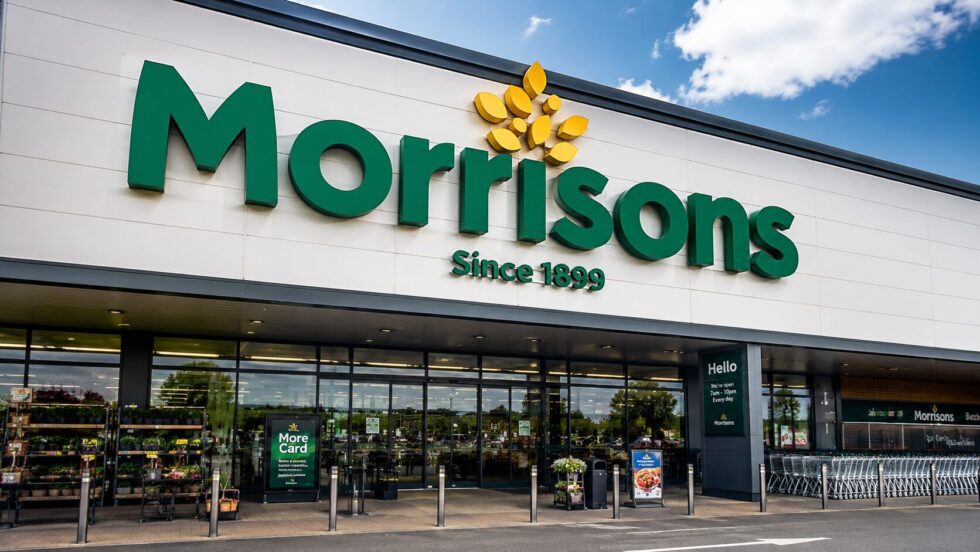
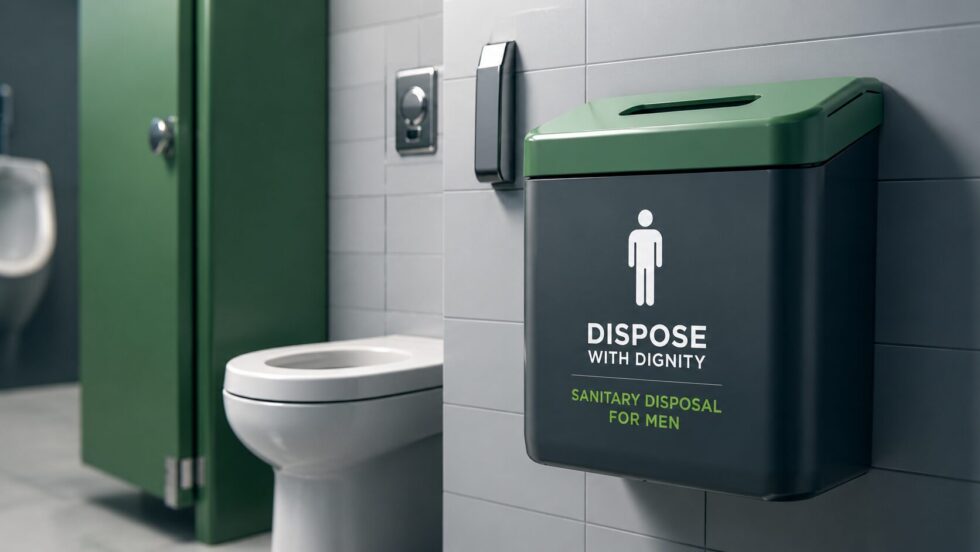
Morrisons has become the first supermarket chain in the UK to introduce male sanitary bins in customer toilets across almost 500 stores nationwide, marking a significant shift in how large retailers approach accessibility and male health support inside supermarkets. The move, announced on Wednesday, is part of the retailer’s adoption of the “Bog Standard” guidelines developed by phs Group in partnership with Prostate Cancer UK to improve facilities for men living with incontinence, particularly after prostate cancer treatment. The rollout follows growing pressure from campaigners and healthcare organisations who argue that public male toilets across Britain continue to lack basic disposal facilities for men using pads, stoma products or incontinence aids. Morrisons said the decision followed direct customer feedback and wider discussions around inclusion, dignity and access to public facilities, while The WP Times via express, understands the supermarket is also positioning the initiative as part of a broader long-term accessibility strategy across its estate. The change will apply to Morrisons supermarkets across the UK, although not every Morrisons Daily convenience branch will be included because some locations do not contain customer toilets.
The decision places Morrisons at the centre of a growing national debate about male incontinence support in Britain, an issue campaigners say has historically received far less attention than equivalent facilities in female or accessible toilets. According to data referenced by Prostate Cancer UK and phs Group, one in eight men in the UK will develop prostate cancer during their lifetime, while the risk rises to one in four for Black men. Research connected to the “Dispose with Dignity” campaign has also found that many men recovering from prostate cancer surgery experience urinary incontinence and often avoid public spaces because disposal facilities are unavailable. Campaign groups argue the absence of sanitary bins in male toilets has become both a healthcare issue and a social inclusion problem, particularly for older men and cancer survivors attempting to return to normal daily life after treatment.
Why Morrisons introduced male sanitary bins in UK supermarkets
Morrisons said the rollout was designed to improve conditions for customers living with incontinence and to reduce embarrassment for men who currently struggle to dispose of sanitary products discreetly in public toilets. Under the “Bog Standard” framework, organisations are encouraged to install dedicated male sanitary disposal bins and create facilities that support men dealing with medical conditions linked to bladder control and prostate cancer treatment. Campaigners have argued for years that men are often forced either to use disabled toilets or carry used products away from public washrooms because suitable disposal systems do not exist in male cubicles. The issue has increasingly moved into the public spotlight following lobbying campaigns such as “Boys Need Bins”, which is backed by multiple health organisations and continence charities across the UK. Morrisons stated that its decision was also linked to a broader programme of accessibility upgrades already introduced inside stores during the past year. Earlier in 2026, the retailer rolled out stoma-friendly toilets across supermarkets and added NHS cancer symptom messaging to selected own-brand bath and shower products. The company has also introduced sensory support boxes in consultation with autism charities to improve conditions for neurodivergent shoppers.
The supermarket chain said suitable facilities remain limited in public male toilets across Britain despite the growing number of men affected by urinary incontinence. According to figures cited by campaign groups, as many as 60% of men who undergo radical prostatectomy surgery may experience urinary incontinence following treatment.
Research connected to the campaign also suggests large numbers of men avoid travelling, shopping or social activities because of concerns about finding accessible toilet facilities outside their homes. phs Group research referenced in campaign documents found that nearly eight in ten men with incontinence reported anxiety about leaving home due to poor public toilet access.
Key points behind the Morrisons toilet policy
- Male sanitary bins are being installed across nearly 500 Morrisons supermarkets in the UK
- The rollout follows the “Bog Standard” guidelines developed by phs Group and Prostate Cancer UK
- The initiative is designed to support men living with incontinence after medical treatment
- Morrisons says it is the first UK supermarket chain to implement the standard nationwide
- Convenience stores without customer toilets are excluded from the rollout
- Campaigners are calling for government guidance to be updated nationally
- Research linked to the campaign found many men avoid public places due to lack of facilities
- The retailer previously introduced stoma-friendly toilets and autism sensory support tools
Prostate cancer charities push for wider UK law changes
Health charities supporting the campaign say Morrisons’ move may increase pressure on other retailers, transport hubs, shopping centres and public venues to introduce similar facilities. Campaigners have repeatedly argued that current UK guidance around sanitary disposal in male toilets is outdated and fails to reflect modern healthcare realities. Existing regulations generally require sanitary bins in female and unisex toilets, but there is currently no equivalent legal obligation covering male washrooms in most public venues. Several charities involved in the “Boys Need Bins” campaign have been lobbying ministers and MPs to revise health and safety guidance so male sanitary disposal becomes standard across Britain.
Nick Ridgman, Head of Support Services at Prostate Cancer UK, welcomed the Morrisons rollout and argued that public facilities still fail many men recovering from prostate cancer treatment. “Many men need sanitary bins so they can dispose of their used pads discreetly and hygienically – but often these bins are nowhere to be found in men's loos,” he said.
“It's causing men stress and shame and keeping them from going out, heading to work or even doing the things they love.” (Nick Ridgman, Prostate Cancer UK, UK statement on Morrisons rollout).
Campaigners say the absence of disposal bins often forces men into difficult choices between using disabled toilets, avoiding social outings altogether or carrying used products with them after leaving washrooms.
The broader campaign has gained political attention in Westminster over the past two years. Parliamentary submissions connected to the “Dispose with Dignity” initiative argue that public toilet standards have failed to adapt to the reality of male incontinence treatment and recovery. Evidence submitted to parliamentary committees by campaigners highlighted research showing more than half of surveyed men reported symptoms associated with urinary incontinence, while many described public toilet provision as inadequate. Campaign groups also warned that stigma surrounding male continence problems continues to discourage men from discussing symptoms or seeking support.
How UK supermarkets are increasingly focusing on accessibility
The Morrisons decision reflects a wider trend across British retail in which supermarkets are expanding health-related accessibility measures beyond traditional disability access. Large retailers in the UK have increasingly invested in sensory shopping hours, quiet spaces, dementia-friendly layouts and improved wheelchair access as customer expectations around inclusivity evolve. In recent years, supermarkets have also faced growing scrutiny over how public facilities accommodate customers with hidden medical conditions, neurodiversity or long-term illnesses. Morrisons has positioned several of its recent initiatives around practical support rather than symbolic branding campaigns, focusing on in-store operational changes that directly affect the customer experience.
Industry observers note that supermarkets increasingly view accessibility upgrades as both a public health responsibility and a reputational issue. Grocery chains remain among the most heavily visited public indoor spaces in Britain, meaning toilet access and facility standards can significantly affect day-to-day mobility for older shoppers and people recovering from illness.
For retailers competing in an intensely crowded supermarket sector, practical accessibility measures may also help improve customer loyalty among ageing populations and households dealing with long-term medical conditions. Britain’s major supermarket chains are also under increasing pressure to demonstrate measurable social responsibility initiatives rather than short-term marketing campaigns.
Accessibility measures introduced by Morrisons in recent years
- Stoma-friendly toilets across supermarkets
- NHS cancer symptom messaging on selected products
- Sensory Support Boxes developed with autism charities
- Male sanitary bins in customer toilets
- Wider customer accessibility consultations
- Collaboration with healthcare and charity organisations
Some healthcare advocates believe the Morrisons rollout could influence future standards across the wider retail sector. While there is currently no legal obligation for male sanitary bins in public washrooms, campaigners argue the issue is becoming harder for large businesses to ignore as awareness around prostate cancer recovery increases. According to Prostate Cancer UK, prostate cancer remains the most common cancer affecting men in Britain, while thousands of men each year continue to experience long-term side effects following treatment. Campaigners argue that the issue extends beyond healthcare and increasingly affects employment, mobility, social participation and mental wellbeing.
The debate over public toilet standards in Britain
The Morrisons announcement has also reignited wider discussion about the condition and accessibility of public toilets across the UK. Local councils, transport operators and retailers have faced criticism in recent years over declining public toilet availability, reduced maintenance budgets and the closure of facilities in town centres. Health charities argue that people living with continence conditions are among the groups most heavily affected by shrinking public toilet access. For men recovering from prostate cancer surgery or other treatments affecting bladder control, access to appropriate disposal facilities can determine whether they feel comfortable travelling or spending time outside their homes.
Campaigners involved in “Dispose with Dignity” have repeatedly argued that current guidance fails to reflect how common male incontinence actually is in Britain. Research cited in campaign material suggests many men avoid discussing symptoms publicly due to embarrassment or social stigma, which charities say has contributed to the lack of policy attention for decades. The issue has increasingly become linked to conversations around healthy ageing, cancer survivorship and public healthcare support after treatment rather than simply toilet infrastructure.
David Scott, Corporate Affairs Director at Morrisons, said the retailer believed the rollout was an important step toward improving public access to suitable facilities nationwide. “By listening to our customers and working closely with both organisations, we recognise the challenges many men face when living with incontinence,” he said in the company announcement.
“Providing appropriate facilities across all Morrisons stores is an important step in helping customers feel more confident and supported when out and about.” (David Scott, Morrisons corporate statement, UK rollout announcement).
Although campaigners welcomed the move, several organisations stressed that broader legislative changes may still be necessary before similar facilities become standard across Britain. Prostate Cancer UK and partner organisations continue to lobby for updated Health and Safety Executive guidance requiring male sanitary bins in public toilets nationwide. Supporters argue that relying solely on voluntary retailer action risks creating inconsistent access depending on where customers travel or shop.
Read about the life of Westminster and Pimlico district, London and the world. 24/7 news with fresh and useful updates on culture, business, technology and city life: Married at First Sight UK rape allegations: what happened on Channel 4 MAFS UK show and why episodes were removed