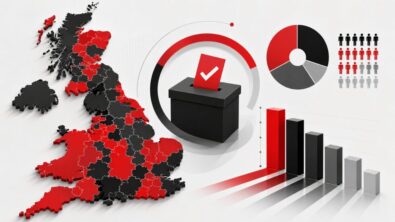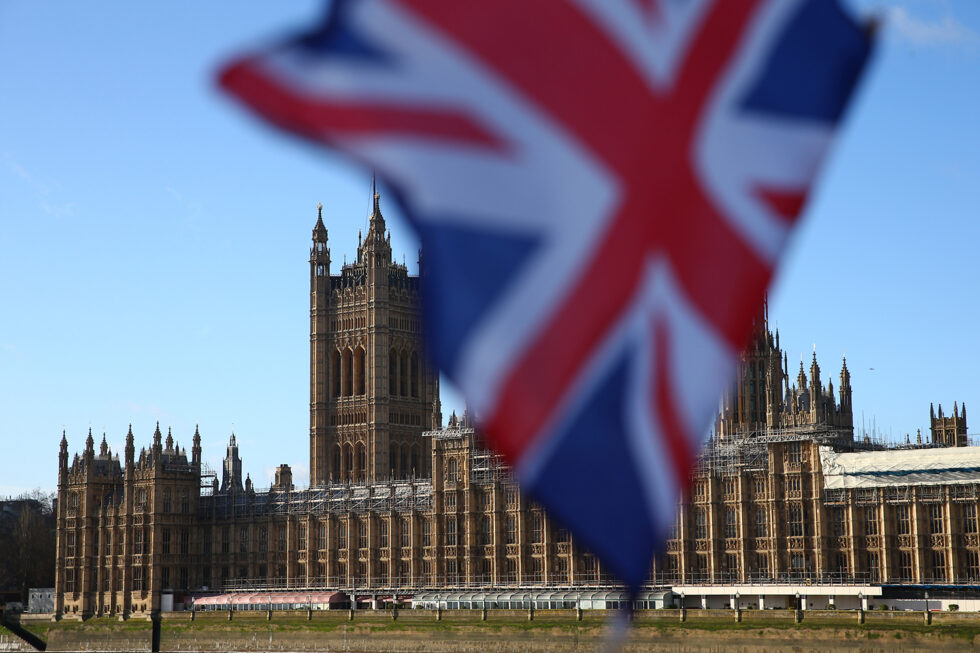
UK elections are a defining feature of British democracy, influencing not only national governance but also the everyday lives of citizens. Westminster, as the heart of UK politics, sees a concentration of legislative activity that directly impacts society. From tax policy to education reforms, decisions made here shape public services, business operations, and even local transport schedules. During election periods, streets are filled with media crews, political rallies, and increased police presence, creating a visible connection between governance and daily routines. For Londoners and tourists alike, understanding how national politics influences life helps navigate both opportunities and inconveniences. More insights and detailed analysis can be found at The WP Times.
The Role of Westminster in National Elections
Westminster is home to the UK Parliament, encompassing both the House of Commons and the House of Lords. This makes it the epicenter of national decision-making. MPs debate and pass laws that affect healthcare, education, taxation, and infrastructure, with immediate consequences for residents. The presence of politicians, media, and lobbyists contributes to a unique urban environment where democracy is visibly in action. Citizens’ votes translate into policies implemented here, creating a tangible link between participation and governance. For locals, election periods heighten the awareness of political processes, while visitors witness the dynamics of a functioning democracy.
How Election Campaigns Manifest in Daily Life
Election campaigns are highly visible in Westminster, often affecting everyday routines. Streets near Parliament, Whitehall, and Trafalgar Square see banners, posters, and campaign stalls. Public demonstrations and rallies occasionally result in temporary road closures or redirected bus routes. Media crews filming debates or interviews contribute to higher foot traffic in key areas. Residents and commuters must plan for potential delays, adjusting their schedules accordingly. These activities, while sometimes inconvenient, offer insight into democratic engagement and encourage citizen participation. Observing campaigns up close provides a better understanding of political priorities and public sentiment.
Impact on Residents and Workers
Daily life in Westminster is directly influenced by national politics, particularly during election periods. Policies passed in Parliament affect local services, healthcare availability, and education programs. Temporary road closures, increased police presence, and public events can disrupt commuting patterns. Planning is essential to avoid delays, but awareness also opens opportunities for active participation in political life. Civic engagement, such as attending town halls or consultations, strengthens community involvement and provides residents with a voice in decision-making. Understanding these dynamics allows residents to balance convenience with involvement.
Before we examine specific policies and statistics, it is important to recognize that not all election-related effects are negative. Heightened political activity often promotes awareness about government initiatives and encourages community interaction. This environment fosters a sense of responsibility among residents and increases transparency in decision-making processes. For workers and business owners, awareness of election timing can help manage logistics, staffing, and customer expectations. Consequently, elections influence both the social and operational aspects of life in Westminster.
Key aspects of UK elections affecting Westminster
Before analyzing the table, it is essential to note that elections impact logistics, safety, and routine activities. Residents often experience street closures, media filming, and larger crowds, all of which alter commuting patterns. Local businesses may adjust operating hours or staffing to accommodate increased foot traffic. Tourists might face slight inconveniences but gain a unique view of political life. Schools and public offices sometimes implement temporary schedule changes during election days. Understanding these factors is crucial for anticipating and navigating daily disruptions.
| Aspect | Effect on Daily Life | Example |
|---|---|---|
| Road closures | Traffic delays | Streets around Parliament during rallies |
| Security measures | Restricted access | Barricades and police patrols near voting centers |
| Media presence | Increased crowds | News crews filming election coverage |
| Public events | Schedule adjustments | Town hall meetings and public debates |
After the table, it becomes clear that while elections may cause temporary inconveniences, they also offer transparency and civic engagement opportunities. Residents and businesses learn to adapt and plan around election-related activities. The benefits of witnessing democratic processes firsthand often outweigh the logistical challenges. Awareness and preparation significantly reduce stress during election periods. Local authorities work to minimize disruptions while maximizing accessibility. Overall, the table highlights the balance between governance and daily life in Westminster.
Citizens’ Engagement During Elections
Citizen engagement is a fundamental aspect of UK elections in Westminster. Individuals participate through voting, attending rallies, or joining public debates. Such involvement strengthens community cohesion and promotes democratic awareness. Local councils often host workshops or informational sessions to guide residents through election procedures. This engagement also encourages active discussion on policy priorities, bridging the gap between legislation and everyday needs. Areas with high participation typically see stronger public support for community projects. In this way, elections influence social dynamics as much as political outcomes.
How Policies Affect Ordinary Citizens
Election outcomes shape a wide range of policies that impact daily life. Tax rates, healthcare funding, education reforms, and public transport investment all have tangible effects. Residents and workers in Westminster experience the immediate consequences of legislative changes, from commuting adjustments to service availability. Schools, hospitals, and local businesses are particularly sensitive to policy shifts. Citizens’ understanding of these impacts informs both personal and professional decision-making. Active observation of parliamentary announcements allows residents to anticipate and adapt to changes effectively.
Before presenting specific policy examples, it is important to note that different demographics are affected differently. Families, commuters, business owners, and students each feel the effects in unique ways. These variations demonstrate that national policies are not abstract concepts but influence real-life routines. Government transparency and accessible communication play crucial roles in helping citizens navigate these changes. Understanding the local context of Westminster helps clarify how election outcomes translate into practical consequences.
Examples of National Policies Impacting Residents
Prior to the list, residents should consider how national policies translate into everyday adjustments. Healthcare reforms may change appointment availability, affecting schedules. Tax adjustments influence household budgets and planning. Education policy can alter school curriculums or fees. Infrastructure investments affect commuting times and accessibility. Awareness of these effects ensures citizens can plan proactively. Public consultation sessions often help residents voice concerns and adapt to new policies.
- Tax changes affecting income and property
- Healthcare funding adjustments influencing local services
- Education reforms shaping schools and universities
- Public transport investment affecting commuting times
- Local business support through grants or regulation changes
After the list, the practical implications become clearer. Residents gain foresight into budget planning, school preparation, and transport scheduling. Businesses can optimize operations and staffing around policy changes. Citizens are empowered to make informed decisions about lifestyle adjustments. Understanding these effects also encourages community engagement and civic responsibility. Policy impacts thus extend beyond legislation, shaping day-to-day life across Westminster.
Differences Between Tourists and Locals
While residents experience policy changes and election logistics firsthand, tourists face different challenges. Road closures, security measures, and demonstrations may alter sightseeing routes. Tourists benefit from guidance provided by local authorities, signage, and transport alerts. Awareness of event schedules ensures minimal disruption to travel plans. Local businesses often cater to these temporary changes by offering alternative routes or adjusted services. Understanding the perspective of both groups highlights how national politics shapes diverse experiences within the same district.

Influence on Business and Tourism
Business operations and tourism in Westminster are sensitive to election cycles. Media coverage, political staff, and rallies bring higher foot traffic to restaurants, shops, and hotels. Conversely, temporary road closures and security zones may limit access to certain areas. Planning and flexibility are key for businesses to capitalize on increased activity while minimizing disruption. Tourism operators often update itineraries to avoid demonstration zones or peak media times. The interconnectedness of politics and commerce is particularly visible during high-profile election periods.
Before presenting the table, it is important to note that different sectors are affected in distinct ways. Hospitality benefits from increased demand, while transport operators must adjust schedules. Retailers can anticipate higher footfall, but logistical challenges must be managed carefully. Tourist services require proactive communication about access and timing. Media presence may attract visitors but also complicates daily operations. Understanding these dynamics allows businesses to make strategic decisions during election periods.
| Sector | Election Impact | Practical Advice |
|---|---|---|
| Hospitality | Higher bookings | Plan staffing and stock accordingly |
| Retail | Increased footfall | Anticipate demand and adjust inventory |
| Transport | Temporary delays | Allow extra time for commutes |
| Tourism | Route changes | Check local notices for closures |
After the table, it is clear that strategic planning mitigates negative effects while maximizing potential benefits. Businesses can leverage increased activity to enhance revenue and exposure. Tourists can enjoy a smooth experience by staying informed about temporary changes. Residents and workers benefit from the structured planning of public services. Awareness ensures that election-related disruptions do not unduly affect daily life. Proper preparation allows all stakeholders to navigate Westminster successfully during elections.
Connecting National Politics and Daily Life
National elections in Westminster are far more than abstract events; they have practical, visible consequences for daily life. Road closures, security measures, policy changes, and public events influence commuting, business operations, and social routines. Civic engagement is strengthened through direct observation of democratic processes, participation in consultations, and active discussion. Policies enacted after elections affect taxes, healthcare, education, and transport, shaping citizens’ lives in tangible ways. Residents, workers, and tourists all experience these impacts differently, highlighting the wide-ranging influence of national politics. Understanding these dynamics ensures that Westminster continues to function effectively as the political and social heart of the United Kingdom.
Read about the life of Westminster and Pimlico district, London and the world. 24/7 news with fresh and useful updates on culture, business, technology and city life: Pimlico and UK Transport: How Well Connected Is This London District.
Photo: PBS.