
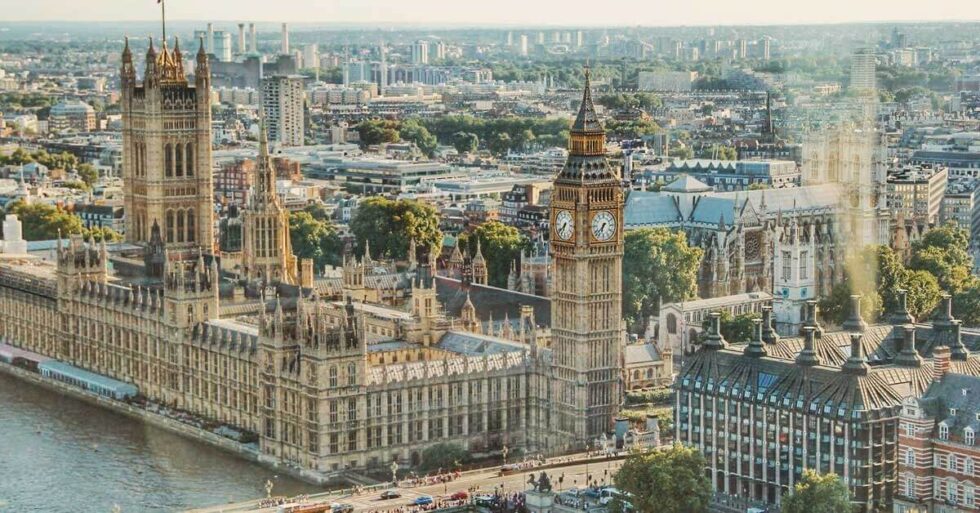
Must-see landmarks in Westminster attract millions of visitors every year, combining centuries of political power, royal traditions, and cultural history. Central London is home to some of the world’s most famous buildings and squares, from the Houses of Parliament to the grand façades of Whitehall. Tourists often start their journey here to experience the true essence of British heritage, architecture, and modern life. Exploring Westminster allows you to walk through history while enjoying the vibrant atmosphere of today’s capital. Many attractions are free to view, while others offer guided tours and ticketed entry, ensuring there is something for every type of traveller. As noted by The WP Times, Westminster remains the beating heart of London, where history meets contemporary culture.
The Houses of Parliament and Big Ben
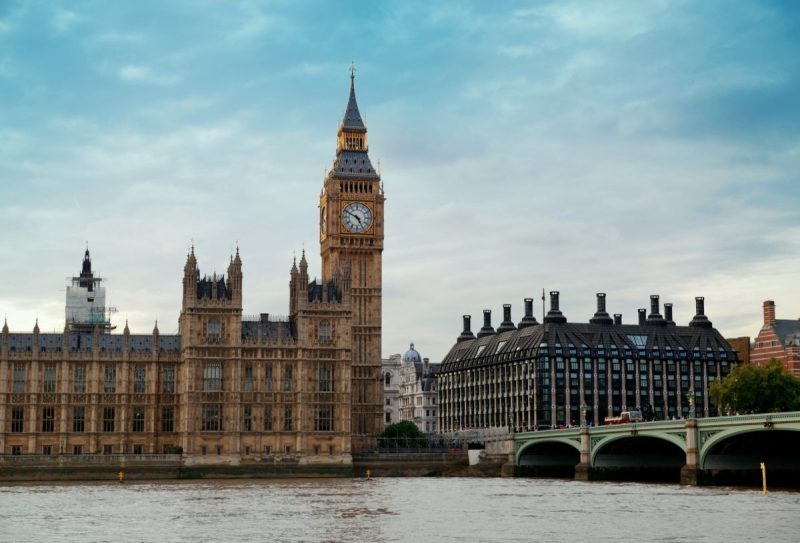
The Houses of Parliament, also known as the Palace of Westminster, are among the most recognisable landmarks in the world. Dating back to the mid-19th century after the old palace burned down, this neo-Gothic masterpiece by Charles Barry is the centre of British politics. The adjoining Elizabeth Tower, famously housing Big Ben, is an icon of London itself. Visitors can attend debates in the House of Commons or House of Lords, take guided tours, or admire the façade from the Thames embankment. Especially at night, the illuminated clock tower offers a stunning view. In addition, the building is a UNESCO World Heritage Site, making it a must-see for both history lovers and casual tourists alike. The surrounding area is filled with statues of historic statesmen, giving the impression of walking through a living museum.
Key facts and visitor tips:
- Location: Westminster, London SW1A 0AA
- Guided tour prices: from £28 adults, £12 children
- Best photo spot: Westminster Bridge
- Opening hours vary depending on parliamentary sessions
Westminster Abbey
Westminster Abbey is not only a masterpiece of Gothic architecture but also one of the most important religious sites in the United Kingdom. Since 1066, almost every British monarch has been crowned here, including the recent coronation of King Charles III. The abbey is also the burial place of famous poets, scientists, and politicians, known as Poets’ Corner. Visitors can admire the intricate stained-glass windows, medieval chapels, and the Coronation Chair, used for centuries in royal ceremonies. Its cultural weight extends far beyond religion: the abbey was also the venue for the wedding of Prince William and Catherine Middleton in 2011. For tourists, the audio guides offer detailed explanations in multiple languages, making the visit both educational and inspiring. The abbey is often crowded, so early morning entry is recommended.
Visitor details:
- Location: 20 Deans Yard, London SW1P 3PA
- Admission: Adults £27, Children £12, family tickets available
- Open: Monday–Saturday, closed on Sundays for worship
- Highlight: The Lady Chapel by Henry VII
Buckingham Palace
Perhaps the most iconic royal residence in the world, Buckingham Palace has been the London home of the monarch since Queen Victoria’s reign. The Changing of the Guard ceremony, performed in front of the palace gates, is one of London’s most popular free spectacles. Inside, the State Rooms open to the public during summer, allowing visitors to explore grand halls filled with priceless artworks and chandeliers. The palace’s garden, the largest private green space in London, is occasionally included in special tours. Tourists also enjoy walking along The Mall, the grand ceremonial avenue leading directly to the palace. Whether admired from outside or visited inside, Buckingham Palace remains an essential stop on any Westminster itinerary.
Useful information:
- Address: London SW1A 1AA
- State Rooms entry: from £32 adults
- Changing of the Guard: usually at 11:00 AM on selected days
- Best viewing: Arrive at least 30 minutes early
Trafalgar Square
Trafalgar Square is a cultural and historic gathering point in central London, dominated by Nelson’s Column, a 52-metre-high monument honouring Admiral Nelson’s victory at the Battle of Trafalgar. The square is also famous for its fountains, statues, and the presence of the National Gallery at its northern side. Regularly hosting cultural festivals, political demonstrations, and public celebrations, Trafalgar Square is both symbolic and lively. Tourists enjoy feeding the famous pigeons in past decades, though this is now prohibited. Today, it remains an open space where locals and visitors converge to relax, photograph, or join in seasonal events such as Christmas lightings. Surrounded by historic streets, cafés, and bus connections, the square is easy to access and is often the starting point for walking tours of Westminster.
Highlights around Trafalgar Square:
- National Gallery: free admission
- Nelson’s Column: built in 1843
- St Martin-in-the-Fields Church: concerts and services
- Accessibility: open 24 hours, free entry
St James’s Park
Located between Buckingham Palace and Horse Guards Parade, St James’s Park is the oldest of London’s Royal Parks. With its picturesque lake, resident pelicans, and colourful flowerbeds, it is a favourite retreat for tourists and locals. The park covers nearly 57 acres and offers some of the best views of Buckingham Palace framed by gardens and water. Visitors enjoy walking the Blue Bridge for iconic photos of both the palace and the London Eye in the distance. Cafés within the park offer refreshments, while the lawns are perfect for picnics. The park is especially lively during royal events, as ceremonial processions often pass nearby. St James’s Park is also known for its wildlife, including friendly squirrels and exotic bird species introduced centuries ago.
Visitor tips:
- Location: Westminster, London SW1A 2BJ
- Open daily: 5 AM – midnight
- Entrance fee: free
- Best photo spot: The Blue Bridge
10 Downing Street
Known worldwide as the official residence of the Prime Minister, 10 Downing Street is a must-see for visitors interested in British politics. Though access inside is restricted, tourists can still view the famous black front door behind secure gates on Whitehall. The Georgian building has been the seat of power since the 18th century, hosting leaders from Winston Churchill to Margaret Thatcher. Visitors often combine the stop with a walk along Whitehall, where they can also see memorials to wartime efforts. The area is rich in symbolism, serving as the backdrop for historic announcements and press conferences. Guided tours sometimes include political storytelling and history walks that explain the significance of the building. For those interested in the UK’s democratic system, this landmark provides context and atmosphere.
Facts:
- Built: 1680s, became PM residence in 1735
- Location: 10 Downing St, London SW1A 2AA
- Entry: not open to the public
- Best photo: through security gates on Whitehall
Churchill War Rooms
Part of the Imperial War Museums, the Churchill War Rooms allow visitors to step directly into the underground bunkers used during World War II. This preserved site includes the Cabinet War Rooms and Churchill Museum, where tourists can see maps, communication devices, and the original rooms where Churchill and his staff strategised. It is one of the most atmospheric museums in London, providing a real sense of wartime Britain. Visitors can hear recordings of Churchill’s speeches and explore interactive exhibitions about his leadership. The War Rooms are located just off Whitehall, making it easy to include in a Westminster walking tour. For those interested in modern history, this site offers a rare opportunity to experience the tension and determination of Britain’s wartime government.
Visitor details:
- Address: Clive Steps, King Charles St, London SW1A 2AQ
- Admission: Adults £27.25, Children £13.60
- Open daily: 9:30 AM – 6 PM
- Highlight: Original Cabinet Room preserved intact
Victoria Tower Gardens
Located beside the Thames, Victoria Tower Gardens is a tranquil green space that complements the imposing architecture of the Houses of Parliament. It features the Buxton Memorial Fountain, commemorating the abolition of slavery in the British Empire, and offers one of the best vantage points for photographing Parliament. The gardens also host playgrounds, making them family-friendly. Walking along the riverside path, visitors can enjoy peaceful moments while still being close to London’s busiest attractions. The gardens are particularly popular during summer afternoons when locals come to relax by the river. Their historical monuments also provide educational value, combining leisure with cultural significance.
Visitor notes:
- Location: Millbank, London SW1P 3JA
- Free entry, open daily
- Famous for: Buxton Memorial Fountain
- Great picnic spot with Parliament views
Westminster Bridge and the Thames Walk
Westminster Bridge is one of the most photographed locations in London, connecting the Palace of Westminster with the South Bank. From the bridge, tourists get panoramic views of Big Ben, the London Eye, and the Thames itself. Walking along the riverside offers a chance to experience both history and modern culture, with performers, cafés, and street markets on the South Bank. The bridge itself has appeared in countless films and postcards, reinforcing its global recognition. Sunset views from the bridge are especially popular, with the sky reflecting on the river and buildings glowing in golden tones. For travellers, the Thames Walk provides a scenic way to link multiple landmarks in a single stroll.
Best experiences:
- Panoramic photos of Parliament and the Eye
- Access: Westminster Tube Station nearby
- Street performers on South Bank
- Free to access, open at all times
The Cenotaph on Whitehall
Standing solemnly on Whitehall, The Cenotaph is Britain’s national war memorial, commemorating lives lost in the two World Wars and later conflicts. Each November, the Remembrance Sunday ceremony is held here, attended by the royal family and political leaders. Visitors can view the monument at any time, and its simplicity contrasts with the grandeur of nearby government buildings. The Cenotaph is central to Britain’s collective memory, symbolising sacrifice and resilience. Tourists often pause here to reflect while walking between Trafalgar Square and Parliament. Its presence adds depth to the Westminster experience, reminding travellers that the area is not only about politics and royalty but also about national remembrance.
Read about the life of Westminster and Pimlico district, London and the world. 24/7 news with fresh and useful updates on culture, business, technology and city life: Nightlife in Westminster: where to go out after sunset in central London