
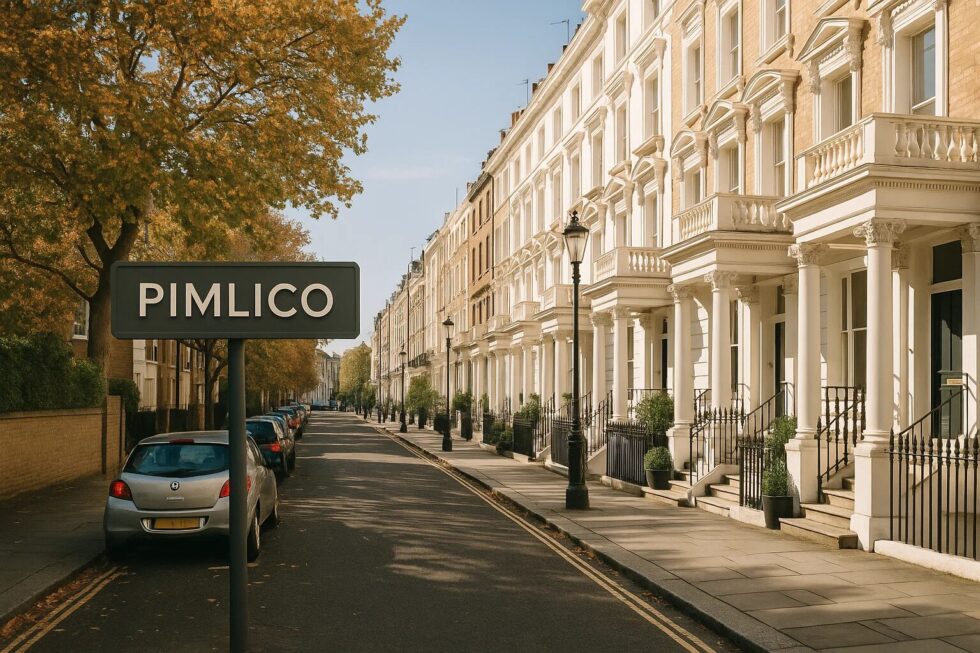
Pimlico is often overshadowed by its better-known London neighbours like Westminster, Belgravia, and Chelsea, yet this riverside district has developed into one of the capital’s most intriguing places to live and explore. The area combines elegant 19th-century architecture, leafy garden squares, a surprisingly calm atmosphere, and easy access to both central landmarks and quiet local cafés. Many Londoners overlook Pimlico because it lacks the flashy shops of Knightsbridge or the nightlife of Soho. However, for those who discover it, Pimlico offers a balance of tradition, community, and convenience rarely matched elsewhere in the city — as noted by The WP Times.
History and architectural charm of Pimlico
Pimlico owes much of its identity to the great 19th-century architect Thomas Cubitt, who laid out the district in the 1820s. His vision of white stucco terraces, symmetrical streets, and central garden squares has given Pimlico its distinctive appearance. Unlike the bustling City or the experimental architecture of the East End, Pimlico’s built environment reflects a harmony that feels both historic and residential. Walking through streets like St George’s Square or Warwick Square, visitors find themselves surrounded by neoclassical façades and leafy courtyards that have changed little in nearly two centuries.
The district also carries echoes of its wartime role; Pimlico was heavily damaged during the Blitz, yet it rebuilt while retaining its Cubitt-inspired character. This resilience explains why property seekers still value its heritage. Pimlico bridges grandeur and modesty, offering both Grade II listed mansions and more affordable apartments. For many Londoners, the district’s architecture is not only an aesthetic pleasure but also a symbol of community stability.
List: Key historical highlights of Pimlico
- Designed in the 1820s by architect Thomas Cubitt.
- Known for its white stucco terraces and squares.
- Many buildings are Grade II listed.
- Rebuilt after significant WWII damage.
- Inspired other London developments in Belgravia and Bloomsbury.
Lifestyle and atmosphere in Pimlico
What makes Pimlico stand out from neighbouring districts is its tranquillity. Despite being located just a short walk from Westminster Abbey or Buckingham Palace, Pimlico feels more like a village within the metropolis. Streets are quieter, traffic is less intense, and residents often know their local shopkeepers. This small-town feeling appeals to families and professionals seeking central London living without the chaos of Soho or Shoreditch.
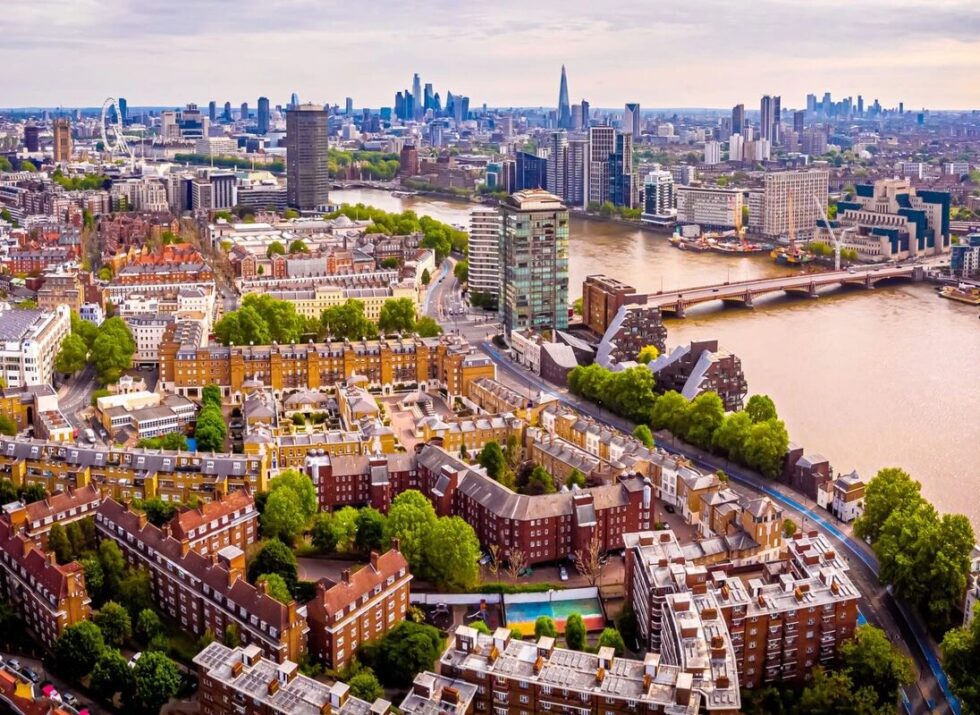
The district’s location by the River Thames adds to its character. Riverside walks along Grosvenor Road provide peaceful escapes, while nearby parks like Battersea Park or St James’s Park are within 15 minutes on foot. Pimlico also has its own collection of cosy pubs and independent cafés, with less of the tourist turnover seen in Covent Garden. Many residents highlight this “livability” as a reason to stay in the district for decades.
List: Reasons people choose Pimlico for living
- Central yet quiet location.
- Strong sense of local community.
- Walking distance to major London landmarks.
- Access to the Thames and nearby parks.
- Mix of family homes and modern flats.
- Cosy cafés and traditional pubs.
Connectivity and transport advantages
One of Pimlico’s greatest assets is its transport network. Pimlico Underground Station, served by the Victoria Line, connects residents directly to King’s Cross, Oxford Circus, and Victoria Station in minutes. From Victoria, national rail links and Gatwick Express services make the area ideal for frequent travellers. Pimlico’s bus routes, including lines to Chelsea, Westminster, and the West End, add further convenience.
Unlike some London districts, Pimlico does not suffer from isolation. Commuters find the district strategically located, while residents who work in government or media sectors can reach offices in Westminster within walking distance. Pimlico also borders the river, meaning cycling routes and pedestrian paths offer sustainable transport alternatives. For international travellers, Heathrow is about 40 minutes away by train and Underground.
Table: Pimlico transport connections
| Mode of transport | Destination | Travel time |
|---|---|---|
| Victoria Line | Oxford Circus | 7 min |
| Victoria Line | King’s Cross | 12 min |
| Train (Victoria) | Gatwick Airport | 30 min |
| Bus routes | Chelsea / Westminster | 10–15 min |
| Walking | Buckingham Palace | 15 min |
| Cycling | Battersea Park | 8 min |
Property and housing in Pimlico
Pimlico offers a diverse property market that attracts both investors and long-term residents. The district’s hallmark is its Georgian and Victorian terraces, many divided into flats that balance charm with practicality. While Belgravia commands some of the highest prices in London, Pimlico remains relatively more accessible. According to estate agencies, one-bedroom flats start around £500,000, while larger family homes can exceed £3 million. Rental prices vary, with studio flats averaging £1,600 per month and three-bedroom apartments closer to £3,500.
This range makes Pimlico suitable for a mix of demographics: young professionals, civil servants, international students, and families. Its relative affordability compared to nearby Chelsea or Knightsbridge ensures a steady demand. For investors, the area’s strong rental market and architectural prestige create long-term value.
List: Average housing costs in Pimlico (2025)
- Studio flat rent: £1,600/month.
- One-bedroom flat purchase: from £500,000.
- Two-bedroom flat purchase: £850,000–£1.2m.
- Three-bedroom family house: £2m–£3m.
- Rental yield: approx. 3.5–4.2%.
Cultural and social scene in Pimlico
Although Pimlico is quieter than Soho or Camden, it has a cultural identity of its own. Tate Britain, one of London’s leading art museums, sits on Millbank just steps away from Pimlico Underground. The district also offers smaller galleries, art studios, and independent cultural initiatives. Annual community events, such as Pimlico Road Farmers’ Market, add to its local character.
Dining in Pimlico is diverse. From the Michelin-starred restaurant A. Wong (Chinese cuisine) to family-owned Italian trattorias, Pimlico caters to both casual diners and gastronomes. Traditional English pubs like The Marquis of Westminster remain popular for both locals and visitors. Nightlife is understated compared to Soho, but the proximity of the West End ensures entertainment is never far away.
List: Pimlico cultural highlights
- Tate Britain on Millbank.
- Pimlico Road Farmers’ Market (every Saturday).
- Independent art galleries and studios.
- Michelin-starred restaurant A. Wong.
- Historic pubs like The Marquis of Westminster.
- Community festivals and charity events.
Everyday amenities and shopping in Pimlico
Residents of Pimlico benefit from a balance of convenience and charm. While the district lacks the vast shopping centres of Oxford Street, it compensates with boutique stores, antique shops, and local markets. Pimlico Road, famous for antiques and design shops, attracts interior decorators and collectors from across London. Daily necessities are met by supermarkets like Waitrose and Sainsbury’s, as well as smaller bakeries and butchers that give the district its village feel.
Healthcare and education facilities are also strong. Local GP surgeries and dental clinics serve residents, while schools like Pimlico Academy and St Gabriel’s Primary School enjoy positive reputations. With these amenities, Pimlico manages to be both central and family-friendly, avoiding the “tourist-only” atmosphere of some nearby districts.
Table: Everyday amenities in Pimlico
| Category | Examples in Pimlico | Notes |
|---|---|---|
| Shopping | Pimlico Road Antiques, Waitrose | Mix of boutique and everyday |
| Dining | A. Wong, neighbourhood cafés | Michelin-starred and casual |
| Education | Pimlico Academy, St Gabriel’s Primary | Popular local schools |
| Healthcare | Local GP practices, NHS dental clinics | Accessible for residents |
| Markets | Pimlico Farmers’ Market | Weekly, community-focused |
Why Pimlico deserves more attention
Pimlico is not the loudest or the flashiest part of London, yet it offers something far more valuable: balance. Here, history meets modern convenience, and tranquillity exists side by side with cultural landmarks. With its elegant Cubitt architecture, close ties to the Thames, strong community, and strategic transport links, Pimlico quietly outshines many better-known neighbourhoods. Families, professionals, investors, and travellers all find reasons to choose this district — whether for a weekend visit or for a lifetime home. In a city that never stops moving, Pimlico remains one of London’s few places where calm, charm, and centrality coexist in harmony.
Read about the life of Westminster and Pimlico district, London and the world. 24/7 news with fresh and useful updates on culture, business, technology and city life: What are the must-see landmarks in Westminster? Top 10 places in central London