
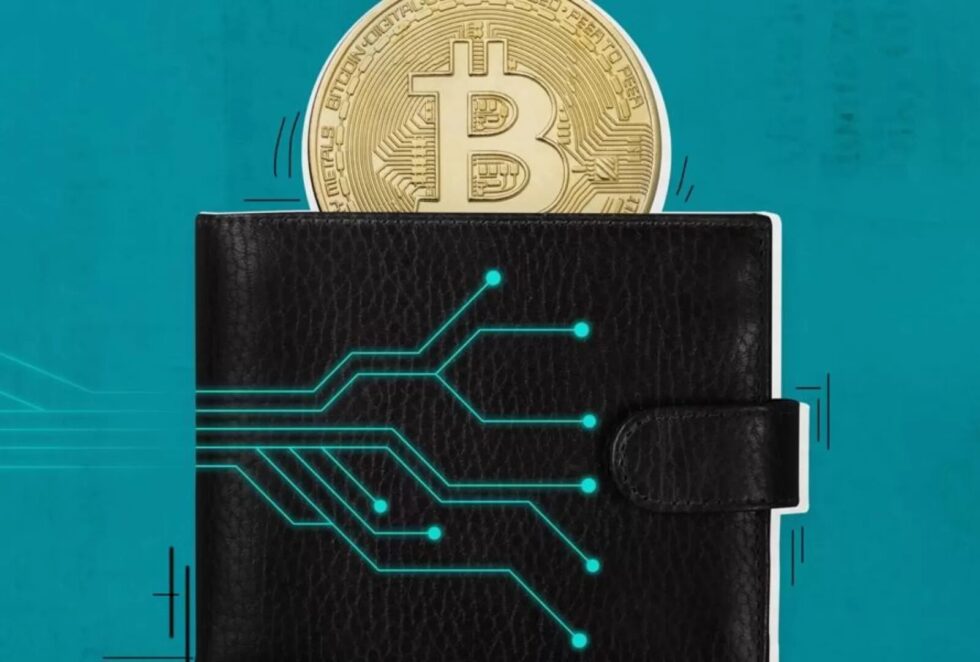
Cryptocurrencies are no longer just an investment tool; they have become a practical means of payment in many parts of the world. Today, you can use them to buy airline tickets, book hotel stays, order electronic devices, or even pay for dinner in certain restaurants across Europe. To make such payments secure and convenient, a crypto wallet is essential. It is the primary tool for storing digital assets and carrying out transactions. However, beginners are often intimidated by technical terms and fear losing funds due to mistakes. That’s why it is crucial to understand in detail how crypto payments work, what types of wallets exist, and which security measures should be followed. Once these basics are clear, cryptocurrencies can be used in everyday life almost as easily as bank cards, reports the editorial team at The WP Times.
What is a crypto wallet and how does it work
A crypto wallet is a digital tool that manages private keys required to access your coins. The wallet itself does not hold money but instead provides access to the blockchain, where all transactions are recorded. The private key proves ownership, while the public address is used to receive payments. For beginners, it can be compared to a banking app—only without a central bank as intermediary. There are different types of wallets, each with its strengths: some are best for daily use, others for long-term storage. Many users combine multiple wallets to balance convenience and security. When choosing, factors such as safety, ease of use, and multi-coin support matter most.
Main types of crypto wallets:
- Online wallets (web wallets) – fast and accessible but less secure.
- Mobile wallets – smartphone apps, ideal for everyday payments.
- Desktop wallets – programs installed on PCs with more control.
- Hardware wallets – external devices offering maximum protection.
- Paper wallets – printed keys, safe offline but impractical for daily use.
These categories allow users to pick the right tool. Frequent spenders usually prefer mobile wallets, while those holding large sums trust hardware devices.
Step by step: how to pay with cryptocurrency
Paying with cryptocurrency is not much more complicated than sending a bank transfer. The main difference is that each transaction is confirmed by a decentralized network and stored on the blockchain. It is vital to double-check the recipient’s address, as errors cannot be reversed. Network fees (transaction fees) also play a role: paying a higher fee usually speeds up confirmation. Most wallets automatically suggest the optimal fee to avoid overpaying or waiting too long. Depending on the blockchain, a transaction can take seconds or up to an hour.
Step-by-step process of paying with crypto:
- Open your wallet app or device.
- Select the “Send” function.
- Enter the recipient’s address or scan their QR code.
- Enter the amount in crypto or fiat equivalent.
- Review and confirm the network fee.
- Sign and authorize the transaction.
- Wait for blockchain confirmation.
After these steps, the payment is considered complete. For small daily purchases, many users prefer faster, low-fee coins like Litecoin or Solana, while Bitcoin is often used for larger transfers.
Where can you pay with cryptocurrency
More and more companies are accepting cryptocurrencies—not just online shops but also physical businesses. In major cities like Berlin, Warsaw, or Zurich, cafés, hotels, and gyms now accept crypto payments. Travel platforms have embraced the trend, as tourists value a universal payment method. Freelancers and IT service providers also favor crypto to avoid international bank fees. However, the legal framework varies from country to country. In Germany and Poland, crypto payments are permitted and especially popular in e-commerce.
Examples of where to pay with crypto:
- online electronics and tech retailers,
- travel booking platforms,
- restaurants and cafés in large cities,
- gyms and wellness studios,
- charities and donation services.
The number of acceptance points rises significantly every year. Switzerland even allows citizens in certain cantons to pay their taxes in crypto.
Country comparison of crypto payment adoption:
| Country | Common acceptance areas | Example service |
|---|---|---|
| Germany | Restaurants, online services | Room 77 (Berlin) |
| Poland | E-commerce, freelancers | FlyingAtom |
| USA | Tech, flights, travel | Newegg, Expedia |
| Japan | Retail, tourism | Bic Camera |
| Switzerland | Taxes, government services | Zug (Crypto Valley) |
These examples show that crypto is no longer just speculation—it is becoming increasingly practical.
Security tips for paying with cryptocurrency
Security is the most critical aspect of any digital payment. Crypto transactions are final—mistakes or fraud cannot be undone. That’s why caution and discipline are essential. Many errors occur when users copy addresses incorrectly, download unofficial apps, or reveal their private keys. Experts recommend never storing private keys online, always enabling two-factor authentication, and avoiding public Wi-Fi for payments. It is also wise to split funds into a “hot wallet” for daily use and a “cold wallet” for long-term storage. This approach reduces risks and keeps payments safer.
Practical security tips:
- Always double-check the recipient’s address and amount.
- Enable two-factor authentication.
- Store large sums in hardware wallets.
- Create regular backups of your keys.
- Only use official apps and downloads.
- Avoid making payments on unsecured networks.
Following these rules drastically reduces the risk of loss. Experienced users stress that most issues arise from carelessness, not technology.

Popular crypto wallets for everyday payments
The wallet market is vast, and not every option is equally practical for daily payments. Some wallets stand out for their simple interface, others for maximum security. Mobile wallets are especially popular because they enable fast QR code payments. For long-term storage, hardware devices remain the gold standard. Choosing the right wallet depends on supported coins, fee management, and ease of use. Many users keep several wallets to remain flexible.
Top crypto wallets in 2025:
- Trust Wallet – mobile wallet supporting hundreds of tokens.
- MetaMask – widely used in Web3 and DeFi.
- Binance Wallet – convenient for Binance exchange users.
- Ledger Nano X – hardware wallet with offline protection.
- Exodus – user-friendly with built-in exchange.
Each of these wallets has specific advantages and has proven reliable for everyday use.
Wallet comparison table:
| Wallet | Type | Key features |
|---|---|---|
| Trust Wallet | Mobile | Many coins, integrated swap, QR code |
| MetaMask | Mobile/PC | Web3 integration, DeFi support |
| Binance Wallet | Mobile | Exchange-linked, user-friendly |
| Ledger Nano X | Hardware | Maximum protection, offline mode |
| Exodus | Mobile/PC | Easy interface, backup functionality |
This overview helps users quickly decide which wallet fits their needs: fast payments, long-term security, or DeFi apps.
Why crypto payments have a future
Despite challenges, crypto payments are gaining traction worldwide. Their benefits are clear: lower costs, speed, and independence from banks. Businesses realize that accepting crypto attracts new customers, while users appreciate the ability to transfer money internationally without high fees. With technologies like Lightning Network or Solana, transactions are becoming faster and cheaper. Government initiatives such as CBDCs (central bank digital currencies) could further strengthen trust in digital payments. All signs indicate that crypto could soon become as common as Visa or Mastercard.
Why this topic is becoming more important
Cryptocurrencies are evolving from a niche product into a mainstream part of the financial world. More merchants, platforms, and service providers are opening up to digital currencies, while the number of users continues to grow. Although risks remain, the advantages are compelling: speed, transparency, and independence. For many people, paying with crypto is already a daily habit—whether while traveling, shopping online, or paying for services. This trend is expected to accelerate, making crypto payments not just an option but a fully integrated part of modern finance.
Read about the life of Westminster and Pimlico district, London and the world. 24/7 news with fresh and useful updates on culture, business, technology and city life: How does the tax relief system for small businesses work in the UK.