
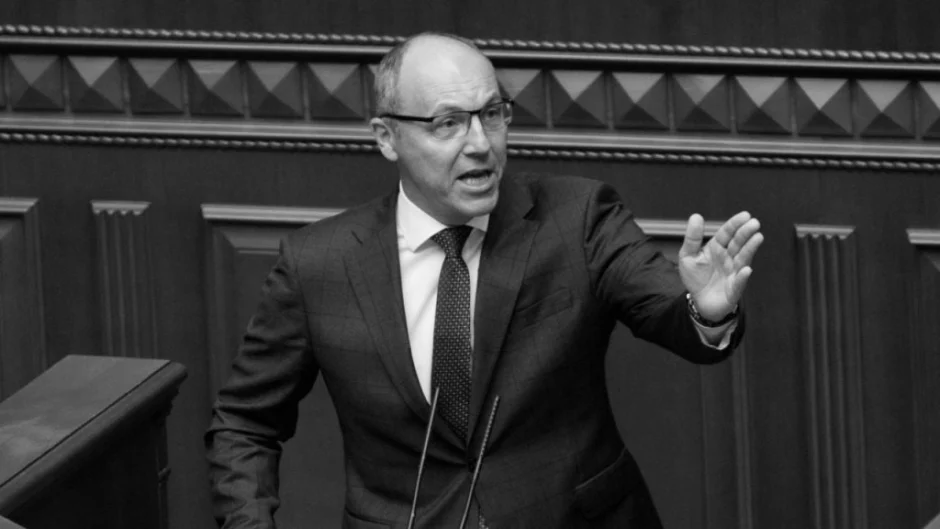
On the afternoon of 30 August 2025, shots rang out in the Frankiv district of Lviv, western Ukraine. The victim was Andriy Parubiy (54), former speaker of the Ukrainian parliament and one of the most recognisable political figures of the post-Maidan era. According to eyewitnesses, a man disguised as a courier approached Parubiy near his home and fired several rounds at close range. The politician died instantly from his wounds. The assailant fled on an electric bicycle, a detail investigators interpret as evidence of careful planning and logistical foresight. Police later recovered eight shell casings at the scene, and an intensive manhunt was launched. The killing, carried out in broad daylight in one of the country’s most historic cities, has shocked not only Ukraine but also its international partners. As reported by The WP Times, citing renewz.de.
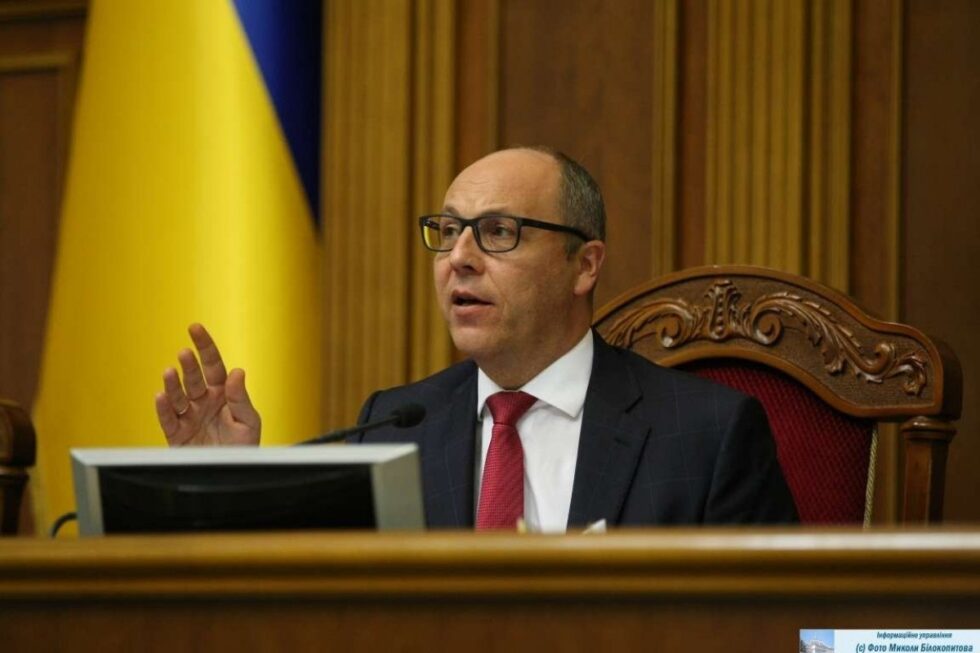
Law enforcement agencies reacted immediately. The National Police, the Security Service of Ukraine (SBU), and the Prosecutor General’s Office initiated a coordinated operation. CCTV footage from surrounding streets and transport hubs was seized, private dashcams requested, and the city placed under a partial lockdown. Reports emerging in Ukrainian media describe a lone suspect in dark clothing, carrying a yellow courier’s backpack, waiting before striking. The choice of disguise, the speed of execution and the method of escape have all fuelled speculation that this was not a random act of violence but a targeted assassination. The authorities have refrained from confirming any motive but are examining three main lines: a personal vendetta, an organised criminal hit, or, most seriously, an attack with the involvement of foreign intelligence services.
The news of Parubiy’s death spread rapidly, triggering immediate political reactions. President Volodymyr Zelensky described the murder as a “cruel attack” and vowed that “all available forces” would be deployed to find those responsible. Former president Petro Poroshenko called it a “shot at the heart of Ukraine’s democracy.” Tributes poured in from across the political spectrum and from international partners. Citizens in Lviv laid flowers at the site, while media outlets in Kyiv and abroad highlighted the symbolic weight of Parubiy’s career and the gravity of his sudden death.
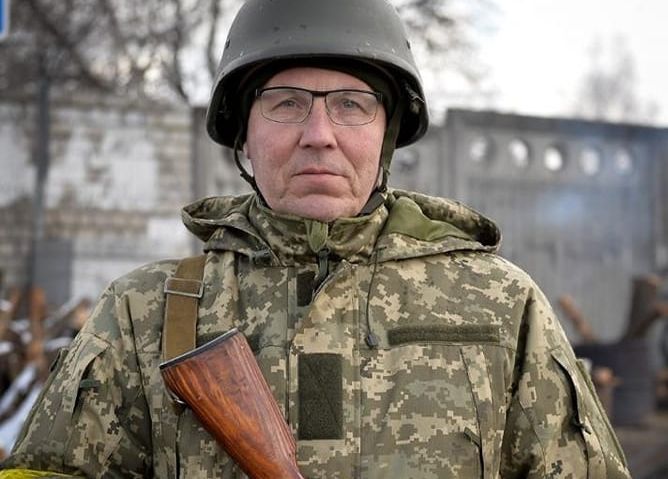
Parubiy’s biography reflects the turbulent modern history of Ukraine. Born in 1971 in Lviv, he studied history at the city’s Ivan Franko University before pursuing political science at the Polytechnic. As a student he became active in the independence movement, organising rallies against Soviet rule and being detained several times by authorities. In 1991, as Ukraine declared its independence, Parubiy co-founded the Social-National Party of Ukraine, a party whose early nationalist imagery haunted his reputation for decades. By the early 2000s he had entered parliament, and by 2007 he joined President Viktor Yushchenko’s pro-European bloc, signalling his political shift toward mainstream integrationist forces.
His prominence peaked during the Euromaidan protests of 2013–14, where he was known as the “Commandant of the Maidan.” He organised the self-defence units that protected demonstrators and secured government buildings during the uprising. Supporters saw him as a skilled organiser and symbol of resistance; critics accused him of fostering paramilitary structures. Following the Revolution of Dignity, he briefly served as Secretary of the National Security and Defence Council, overseeing the country’s initial response to Russia’s annexation of Crimea and the outbreak of war in the Donbas. He resigned later that year, citing internal disagreements.
In 2015, Parubiy became deputy speaker of the Verkhovna Rada, and from April 2016 until August 2019, he served as Speaker of Parliament. In this role he championed constitutional reforms, decentralisation, and Ukraine’s deepening ties with NATO and the EU. He was also an advocate of a proposed Baltic-Black Sea alliance as a geopolitical counterbalance to Russian influence. Internationally, he built links with Western legislatures and think tanks, becoming a familiar face in Brussels, Washington, and Warsaw. Domestically, he remained a divisive figure: lauded by pro-European Ukrainians as a guarantor of reform, criticised by opponents for his nationalist past.
After stepping down as speaker, he continued as an MP and a member of the security and defence committee, commenting frequently on national security matters. He received multiple honours, including the Order of Prince Yaroslav the Wise (5th class) and the Order of Merit (3rd class), along with religious awards from the Orthodox Church. Privately, he was married and had a daughter, though he largely shielded his family from political life.
The killing of Andriy Parubiy is more than the assassination of a single politician. It is a test of Ukraine’s internal security at a time of war, a reminder of the vulnerability of even its most senior figures, and a symbolic strike at the legacy of the Maidan generation. Whether the assassin acted alone or as part of a wider network, the attack will reverberate through Ukraine’s political life for months, if not years, to come. For a country already enduring the pressures of war and reform, the death of Parubiy underscores the fragility of its political stability and the risks faced by those who became symbols of its democratic transformation.
Read about the life of Westminster and Pimlico district, London and the world. 24/7 news with fresh and useful updates on culture, business, technology and city life: Turkey delivers Altay T1 battle tank – can it rival NATO’s Leopard 2 and Abrams