
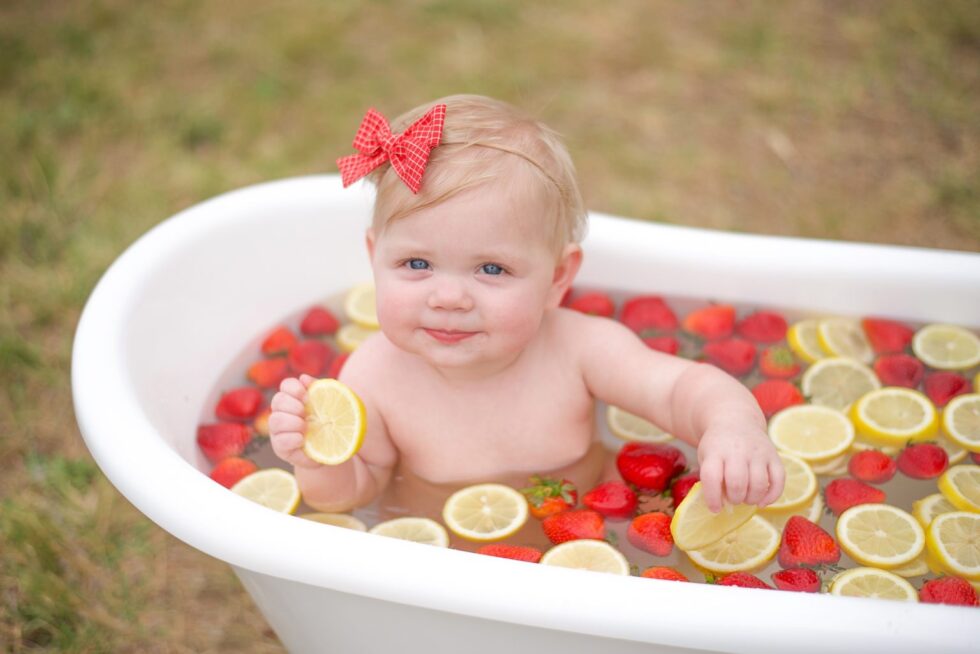
Can you bathe a child on their birthday? Folk beliefs, modern UK parenting and celebration tips — this is a question that often arises when everyday routines collide with family traditions. In Britain, birthdays are not just about cake, balloons and presents. They are also moments when parents reflect on rituals, create memories and sometimes add symbolic gestures. For some, a bath on a birthday is a simple act of hygiene and relaxation. For others, it carries meaning: cleansing for a fresh start, washing away the old year or providing calm after a day of excitement. While folk beliefs highlight symbolism, modern UK parenting advice focuses on safety, comfort and adapting routines to the child’s needs, reports The WP Times.
Birthday rituals in the UK: where bathing fits in
British birthdays usually centre around parties, gifts and food, but small rituals have their place. Parents often create “birthday-only” traditions:
- Allowing the child to choose dinner or breakfast.
- Using a special candle at every meal.
- Singing Happy Birthday in the morning as well as evening.
- Saving a new toy or product (like a bath bomb) just for this day.
The birthday bath often becomes part of this ritual framework — not obligatory, but a symbolic or playful moment.
Folk beliefs about bathing on birthdays
Although Britain does not have strict taboos like some other European regions, water still symbolises change and renewal. Traditional notions include:
- Cleansing the old year: a bath symbolises washing away troubles from the past year.
- Avoiding evening baths: the belief that joy could be “washed away” before sleep.
- Symbolic sprinkling: a few drops of water as a blessing rather than a full soak.
- Blessed water: in some Christian families, holy water was used for protection.
Such customs are optional and do not conflict with hygiene if integrated as small, symbolic gestures.
What modern UK experts recommend
British health professionals emphasise that the decision to bathe a child on their birthday should not be influenced by superstition but by the child’s wellbeing. NHS guidance highlights that hygiene and comfort are important every day, and the date itself has no medical significance. Many UK health visitors advise that a bath can be beneficial if it helps the child relax and maintain routine after a busy celebration. At the same time, they caution against over-bathing, as frequent washing may dry out delicate skin. The key message is to adapt the ritual to the child’s health, mood and family traditions, while keeping safety rules in focus.
Bathing is appropriate when
- The child is healthy, without fever, rash or wounds.
- The newborn’s umbilical cord has healed.
- The child is calm and not overstimulated by celebrations.
Better to postpone when
- The child is exhausted after a party.
- There are signs of illness or skin irritation.
- The child has recently been vaccinated and needs rest.
First days of life
In the very first days after birth, bathing practices are approached with extra care. The NHS in the UK generally advises delaying a baby’s first full bath for at least 24 hours, and sometimes longer, to protect the natural skin barrier. Instead, parents are encouraged to use gentle “top and tail” cleaning with warm water and cotton wool to maintain hygiene without stressing the newborn. This approach also reduces the risk of the baby becoming chilled, since very young infants cannot regulate their body temperature well. For British families, the focus is on gentle routines and gradual introduction of bathing, rather than on symbolic traditions tied to the birthday itself.
Practical examples for the first days
- Wipe the baby’s face, neck, hands and bottom with warm water and cotton pads twice a day.
- Keep the room temperature steady at 22–24°C to avoid chills during cleaning.
- Use only plain water at first, avoiding soaps or shampoos until the baby is at least a few weeks old.
- Limit the cleaning time to a few minutes to reduce stress for the newborn.
- Wrap the baby in a soft towel immediately afterwards to maintain warmth and comfort.
Safe bathing rules for a birthday
When parents do include a bath in birthday traditions, these safety rules apply:
- Water temperature: 36–37°C, checked with a thermometer or elbow.
- Room temperature: 22–24°C, no draughts.
- Duration: 5–10 minutes for newborns, up to 15 minutes for toddlers.
- Products: mild, fragrance-free, allergy-tested; avoid new products on that day.
- Supervision: never leave a child alone, even briefly.
- Aftercare: pat dry, moisturise if needed, dress in breathable clothes.
Turning the bath into a celebration
Many UK families transform bath time into a festive ritual:
- Themed baths: pirate or princess toys, colourful (non-toxic) bath bombs.
- Bubble fun: filling the bathroom with bubbles or balloons.
- Music: singing Happy Birthday in silly voices or playing a playlist.
- Storytelling: sharing the story of the child’s birth while bathing.
- Symbolic blessing: pouring water over the back with the phrase “fresh year, fresh start.”
Birthday greetings during bath time
Bath time on a child’s birthday can be more than hygiene — it can turn into a private moment for warmth, blessings and meaningful words. In the UK, parents often use this calm setting to whisper wishes, share memories of the child’s birth or give short affirmations of love and encouragement. These greetings do not need to be formal; they are simple, heartfelt phrases that create positive associations between water, safety and family care. Relatives sometimes join the ritual by gifting personalised towels, bath toys or robes, making the evening feel like a continuation of the celebration. Turning the bath into a symbolic space for greetings helps the child feel cherished and connects everyday care with the uniqueness of the birthday.
Examples of birthday greetings in bath time
- “A new splash for a new year of happiness.”
- “May every bubble bring you joy and laughter.”
- “Fresh water, fresh start, fresh age.”
- “You are growing stronger and brighter every year.”
- “This bath is our wish for calm nights and happy mornings.”
British family touches
Families sometimes add lavender or chamomile water (only if no allergies) as a way of combining care with tradition. Some parents retell the story of the child’s birth while bathing, linking the past with the present. Grandparents may offer symbolic blessings, such as pouring a small jug of warm water while wishing good health. Older siblings often join in by singing Happy Birthday during bath time in playful voices.
Table: Folk beliefs versus modern UK practice
| Aspect | Folk belief (Europe) | UK parenting today |
|---|---|---|
| Newborns | Do not bathe on the first day | NHS: wait 24+ hours, gentle wiping |
| Older children | Avoid evening baths on birthdays | Flexible: morning or evening as suits |
| Water | Sacred, protective or symbolic | Seen as calming and refreshing |
| Products | Minimal, herbal or symbolic | Mild, hypoallergenic, fragrance-free |
| Ritual meaning | Wash away luck or sadness | A bonding, fun and relaxing routine |
If parents skip the bath
After a long party, some children are simply too tired. Alternatives include:
- Gentle wipe with warm water or wet wipes.
- Symbolic splash on the face or hands.
- Massage with baby oil and fresh pyjamas.
- Reading a birthday story instead of a bath.
British family nuances: more examples
- Morning baths: some families prefer to start the birthday “fresh.”
- Outdoor parties: in summer, paddling pools replace the evening bath.
- Grandparent gifts: bathrobes, special soaps or themed bath toys.
- Schoolchildren: prefer showers, making it a step towards independence.
Key takeaway for UK parents – Checklist for a safe birthday bath
Bathing a child on their birthday is not surrounded by strong superstitions in Britain, but many parents still wonder whether it is appropriate or symbolic. The decision should always be guided by health, safety and comfort rather than by folk beliefs. A birthday bath can be a meaningful family ritual that combines hygiene, relaxation and celebration. For British parents, the following checklist provides clear guidance.
Checklist for a safe birthday bath:
- Health and wellbeing: bathe only if the child is healthy, without fever, rashes or unusual tiredness after the party. If the child is unwell, postpone the bath.
- Timing of the bath: in the UK many families choose a morning bath as a “fresh start” to the day, while others prefer an early evening bath for relaxation. Avoid very late baths that could overstimulate the child.
- Water and room temperature: the water should be around 36–37°C, while the room should remain comfortably warm (22–24°C) without draughts. This prevents chills and ensures comfort.
- Duration: newborns should not stay in the water longer than 5–10 minutes. Toddlers may enjoy up to 15 minutes, and older children can bathe for longer if they are comfortable.
- Bath products: use mild, fragrance-free and hypoallergenic products that are already familiar to the child. A birthday is not the right moment to test new shampoos, soaps or bath additives.
- Supervision and safety: never leave a child unattended, even for a few seconds. Use a non-slip bath mat, check the water with a thermometer or elbow, and always keep towels and clothes within reach.
- Aftercare: dry the child carefully, patting instead of rubbing, apply moisturiser if needed, and dress the child in clean, breathable clothing.
- Celebratory elements: parents in the UK often make the bath part of the birthday ritual by adding bath toys, safe bubbles, or telling the story of the child’s birth. This creates positive associations and strengthens family bonds.
- Alternatives when skipping the bath: if the child is overtired, a gentle wipe-down, a symbolic splash with warm water or a relaxing bedtime story can replace a full bath without stress.
Bottom line for British families: the key factor is not the birthday date itself, but the wellbeing of the child. A bath can be turned into a joyful, symbolic moment that celebrates hygiene, relaxation and togetherness. By following safe bathing rules and focusing on the child’s comfort, parents in the UK can confidently include or skip the bath as part of their birthday routine.
Read about the life of Westminster and Pimlico district, London and the world. 24/7 news with fresh and useful updates on culture, business, technology and city life: Why does my mouth taste like soap and how to stop it