

London, a city steeped in history and culture, has always been a global leader in art, performance, and entertainment. From its world-renowned museums to its iconic West End theatres, the city has long provided a stage for human creativity and expression. In recent years, however, a new wave of innovation has swept through its cultural landscape: the integration of Virtual Reality (VR) and Augmented Reality (AR). These technologies are not merely digital novelties; they are fundamentally transforming how audiences interact with art, history, and storytelling. By breaking down the traditional barriers between the observer and the observed, VR and AR are creating deeply immersive and personal experiences, redefining entertainment for the 21st century, reported by The WP Times.
The Museum Renaissance: VR and AR in London's Cultural Institutions
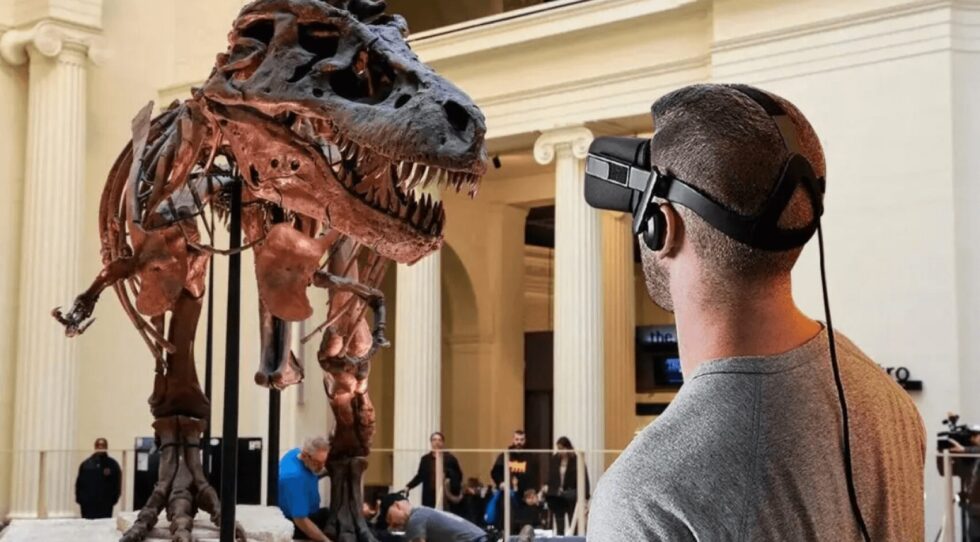
The traditional museum model, with its static exhibits and hushed halls, is undergoing a profound transformation. While still a vital part of the experience, passive observation is being supplemented by interactive, multi-sensory journeys powered by VR and AR. These technologies allow institutions to transport visitors to moments in history that were previously only accessible through textbooks or static displays. Imagine walking through the bustling streets of ancient Rome, standing next to a dinosaur in its natural habitat, or seeing a historical artifact as it looked centuries ago, all from within a gallery. This approach makes history feel alive and personal, captivating both new and returning visitors.
From Static Exhibits to Interactive Journeys
London's major museums are at the forefront of this revolution, experimenting with VR and AR to enhance their permanent collections and special exhibitions. They are leveraging these tools to make history more accessible and engaging, particularly for younger audiences who are native to digital technology. By integrating these immersive elements, museums can overcome limitations posed by fragile artifacts or restricted spaces, allowing everyone to experience rare objects up close. The goal is to move beyond passive learning and create an active, exploratory journey that deepens appreciation for culture and history.
- The Natural History Museum's "VR Experience" allows visitors to explore the life of a blue whale.
- The British Museum's "Museum of the World" AR app provides digital overlays with information on artifacts.
- The Tower of London offers a VR experience that transports visitors to key moments in the fortress’s history.
- The Science Museum's "VR Spacewalk" lets users float in space and work on the International Space Station.
- The National Gallery's "Virtual Tour" allows users to explore its collection from anywhere in the world.
These experiences represent a new frontier in cultural engagement, allowing visitors to feel a tangible connection to the past. The ability to interact with virtual objects and environments fosters a sense of discovery that a traditional visit simply cannot provide. It also enables museums to reach a global audience, making their collections available to people who may never have the opportunity to visit in person. The fusion of physical and digital spaces is breathing new life into these venerable institutions.
The Theatrical Stage of the Future: Redefining Live Performance
London's theatre scene is also embracing VR and AR, pushing the boundaries of what a live performance can be. While some may see it as a threat to traditional theatre, forward-thinking creators are using these technologies to create entirely new forms of immersive storytelling. This movement goes beyond simple special effects; it aims to place the audience directly into the narrative, blurring the lines between spectator and participant. By using VR headsets or AR overlays, creators can construct a shared reality where the physical stage is a mere starting point for a magical or surreal experience.
Immersive Storytelling Beyond the Proscenium Arch
This innovative approach is redefining the relationship between performers and their audience. Instead of passively watching a story unfold, attendees can become characters, interact with the environment, and even influence the plot. This creates a deeply personal and unforgettable experience that can be tailored to individual choices. The technology allows for incredible creative freedom, enabling artists to stage scenes that would be impossible with traditional set design or to bring virtual characters to life on stage.
| Aspect | Traditional Theatre | VR/AR-Enhanced Theatre |
| Audience Role | Passive spectator | Active participant/character |
| Stage & Setting | Physical set and props | Physical space combined with virtual elements |
| Narrative | Linear, fixed storyline | Potential for non-linear, personalized plots |
| Audience Size | Limited by venue capacity | Can be expanded virtually for large-scale events |
This blend of technology and performance offers a fascinating glimpse into the future of live entertainment. It presents artists with a new palette of tools to craft narratives that are not only seen and heard but also felt and experienced. While the technical challenges are significant, the potential for groundbreaking artistic work is enormous. The pioneering productions currently being staged in London are laying the groundwork for a new era of theatrical innovation.
Challenges and the Road Ahead
Despite the immense potential, the widespread adoption of VR and AR in London's cultural sector is not without its challenges. The high cost of equipment, from headsets to motion sensors, can be prohibitive for smaller institutions and independent artists. There is also a steep learning curve for creators who need to master new software and technical skills to bring their visions to life. Furthermore, a "gimmicky" experience can alienate audiences who seek genuine, high-quality content. The ethical considerations of using immersive technology to depict sensitive historical events must also be carefully navigated.
Navigating Technical and Ethical Hurdles
The cultural sector must ensure that technology serves the art, not the other way around. To succeed, VR and AR experiences must offer genuine value and emotional depth, rather than simply being a novelty. Accessibility is another key issue; ensuring these experiences are available to people with disabilities, or those who may not be digitally literate, is crucial for inclusive growth. Institutions are still exploring the best business models, from ticketed events to subscription-based access, to make these experiences sustainable in the long run.
- High Cost of Equipment: VR headsets and AR systems are still expensive for broad adoption.
- Technical Expertise: A lack of skilled creators who understand both art and technology.
- Ethical Concerns: How to responsibly use immersive tech for sensitive historical or cultural topics.
- Accessibility: Ensuring that experiences are inclusive for people with different abilities.
- "Gimmick" Risk: Creating shallow experiences that offer little lasting cultural value.
The journey ahead is one of continued experimentation and collaboration. As technology becomes more affordable and intuitive, these challenges will likely diminish, making VR and AR a standard part of the cultural toolkit. London's willingness to embrace this change and lead the way suggests that the city will remain at the forefront of cultural innovation for years to come.
VR and AR are fundamentally reshaping London's cultural landscape, moving museums and theatres from passive observation to active engagement. The city's institutions are proving to be a fertile ground for this technological revolution, transforming how we connect with art, history, and storytelling. While significant challenges related to cost and ethics remain, London's bold experimentation cements its position as a global leader in immersive entertainment. These technologies are not just a fleeting trend but a powerful new medium that promises to deepen our understanding and appreciation of culture.
Read about the life of Westminster and Pimlico district, London and the world. 24/7 news with fresh and useful updates on culture, business, technology and city life: The Glenfinnan Viaduct: A "Harry Potter" Hotspot Between Magic and Mass Tourism.