London's markets are more than just places to shop; they are the pulsating heart of the city's culture, history, and community. From their origins as medieval trading posts, they have evolved into vibrant, dynamic hubs that reflect the very soul of the British capital. In a world increasingly dominated by homogenous high-street brands and online retail giants, these markets offer a refreshing alternative, providing a platform for local artisans, independent designers, and small-scale food producers. They serve as a crucial launchpad for new ideas and a physical space where consumers can connect directly with the creators behind the products. Visiting a London market is an immersive experience that engages all the senses, celebrating the city's diversity and entrepreneurial spirit, as stated by the editorial team at The WP Times.
The Enduring Allure of London's Markets
The enduring popularity of London's markets lies in their ability to offer something truly unique. They are a treasure trove of one-of-a-kind items, from bespoke jewelry and vintage clothing to handmade crafts and gourmet street food. Unlike a traditional shop, the market experience is a sensory journey filled with the sights, sounds, and smells of a bustling, multicultural metropolis. This atmosphere of discovery and authenticity is a powerful draw for both locals and tourists seeking a more personal and meaningful connection to the city. It’s a place where history meets modernity, and where community thrives in the midst of a fast-paced urban environment.
More Than Just Shopping: A Cultural Experience
Walking through a London market feels like stepping into a living, breathing museum of local life. The vendors are often passionate about their craft, happy to share stories about their creations or the history of their wares. This personal interaction is a stark contrast to the anonymity of big-box retail. It’s a space where people linger, chat, and soak up the atmosphere, transforming a simple transaction into a social event. This vibrant, community-focused approach to commerce is a vital part of London's charm and a key reason why these markets have not only survived but thrived in the digital age.
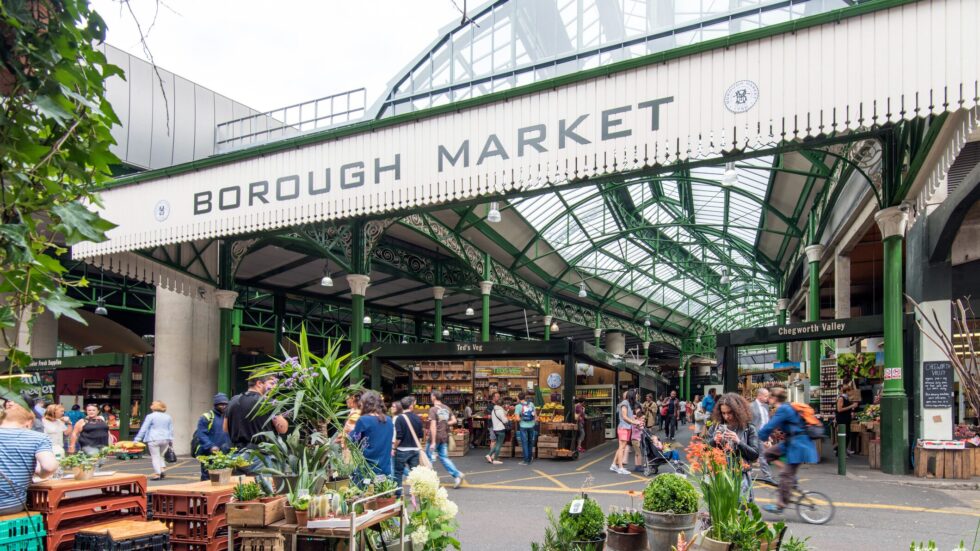
- Borough Market: Known for its gourmet food, organic produce, and artisanal treats.
- Camden Market: Famous for its alternative fashion, unique gifts, and vibrant street food scene.
- Portobello Road Market: A world-renowned hub for antiques, vintage clothing, and collectables.
- Columbia Road Flower Market: A Sunday institution for stunning flowers and plants.
- Spitalfields Market: A mix of independent fashion, art, and food stalls.
- Maltby Street Market: A smaller, more intimate market focused on high-quality street food and drinks.
The diversity of London's markets is remarkable, each with a distinct character and specialty. Borough Market caters to food enthusiasts, offering everything from rare cheeses to freshly baked bread. Camden Market is a playground for the young and rebellious, while Portobello Road is a paradise for vintage lovers and antique collectors. These markets are a reflection of London's multifaceted personality, providing a unique space for every taste and interest. They are a fundamental part of the city's cultural tapestry, attracting millions of visitors each year who come not just to buy, but to experience a slice of authentic London life.
The Rise of Local and Independent Brands
In recent years, there has been a significant shift in consumer preferences towards local, independent, and sustainable brands. This movement is a direct response to a growing desire for authenticity and a rejection of the mass-produced, throwaway culture. London's markets are at the forefront of this revolution, providing an ideal platform for small-scale creators to bypass traditional retail channels and connect directly with their audience. By choosing to shop at these markets, consumers are not only finding unique products but are also directly supporting the local economy and reducing their environmental footprint.
Sustainability and Craftsmanship in Focus
The brands found in London's markets are often built on a foundation of ethical production and a commitment to craftsmanship. Many vendors use locally sourced materials, minimize waste, and create products that are designed to last. This focus on quality over quantity resonates deeply with modern consumers who are more conscious of the provenance of their purchases. The markets provide a transparent environment where customers can ask vendors about their process, from sourcing materials to production techniques. This level of transparency builds trust and loyalty, fostering a strong community around a brand.
| Value | Focus | Example Local Brands/Products |
| Sustainability | Ethical production, recycled materials, minimal waste | Clothing made from repurposed fabrics, jewellery crafted from recycled metals |
| Authenticity | Unique, handmade, one-of-a-kind designs | Hand-poured candles, bespoke ceramics, custom-made leather goods |
| Community | Supporting local artisans, fostering neighbourhood spirit | Artisanal food producers using local ingredients, community art collectives |
| Quality | Meticulous craftsmanship, durable materials, attention to detail | Hand-stitched leather wallets, high-quality knitwear, expertly crafted furniture |
The growth of these local brands is not just a trend; it's a fundamental change in how we think about commerce. By purchasing a product from an independent maker at a market, you are not just acquiring an item; you are buying into a story, a skill, and a vision. These small businesses are the lifeblood of London's economy, providing jobs and contributing to the city's creative output. They prove that in an increasingly digital world, there is still immense value in the tangible, the personal, and the handcrafted.
Navigating the Market Experience
For visitors to London, navigating the city's markets can be a thrilling adventure. To make the most of the experience, it's wise to do a little research beforehand to identify which markets align with your interests. Weekends are generally the busiest, so if you prefer a more relaxed atmosphere, a weekday visit is often a better choice. It's always a good idea to carry cash, as not all vendors accept card payments, although cashless transactions are becoming more common. Be prepared to haggle a little, especially for vintage items, but always do so with a friendly and respectful attitude.
Tips for Visitors and an Outlook for 2025
In 2025, London's markets continue to evolve. Many vendors have now established a strong online presence, allowing customers to continue shopping long after their visit. The markets themselves are also investing in better infrastructure, including more cashless payment options, improved facilities, and curated events. While the traditional feel remains, technology is being seamlessly integrated to enhance the customer experience without compromising the market's unique character.
- Research Before You Go: Check opening times, specialties, and the best time to visit for your needs.
- Embrace the Atmosphere: Allow yourself to get lost in the crowds and explore side streets for hidden gems.
- Engage with Vendors: Ask questions about their products and passion for their craft.
- Be Prepared for Cash and Card: While many vendors accept card payments, having cash is a good backup.
- Support Local: Make a conscious effort to purchase from independent creators to support the community.
The future of London's markets is secure, as they have successfully adapted to meet the demands of a new generation of consumers. By focusing on authenticity, sustainability, and community, they have carved out a crucial niche in the retail landscape.
London's markets are a vital and vibrant part of the city's cultural and economic identity. They serve as essential incubators for local brands, offering a unique shopping experience that cannot be replicated elsewhere. By providing a direct connection between creators and consumers, they are at the forefront of a retail revolution that values sustainability, craftsmanship, and authenticity. They prove that in an age of globalization, local businesses and community spaces remain essential to a city's soul.
Read about the life of Westminster and Pimlico district, London and the world. 24/7 news with fresh and useful updates on culture, business, technology and city life: Cédric Grolet in London: The Phenomenon of the French Pastry Chef.