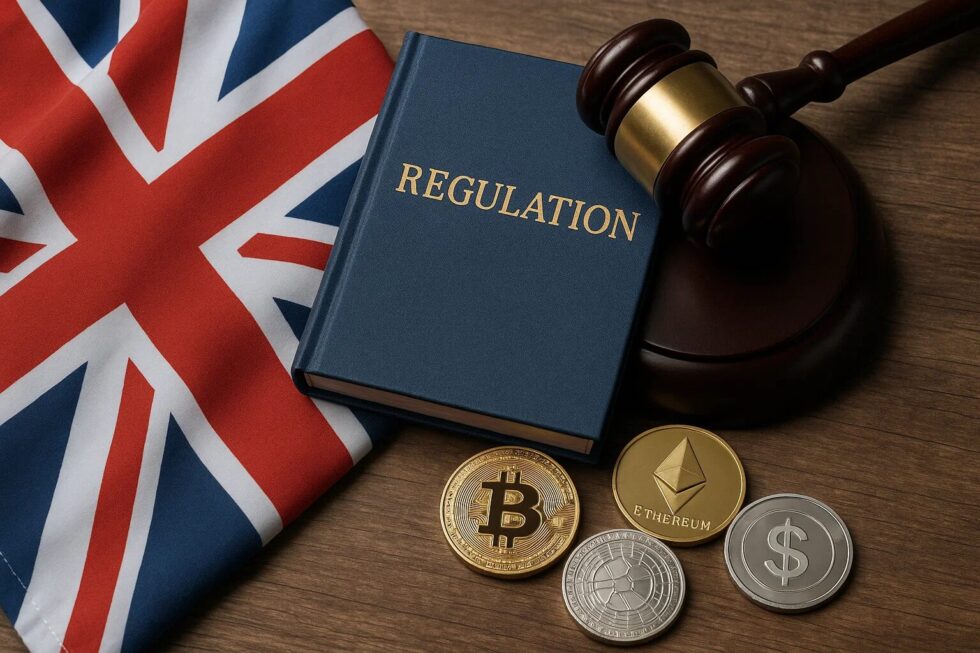
Crypto regulation in the UK is undergoing a major overhaul as of April 29, 2025. On this date, the UK government unveiled a new draft legislation that significantly expands the scope of financial regulation to include cryptoassets and stablecoins. This includes a clear definition of “qualifying cryptoassets” and “qualifying stablecoins,” which will now be treated as specialized investments subject to regulatory oversight. The legislation mandates that firms offering crypto services, including trading platforms and custody services, must obtain authorization from the Financial Conduct Authority (FCA). These measures aim to strengthen consumer protection, prevent financial crime, and increase market integrity in the growing crypto sector. With the global crypto market valued at over $3 trillion in 2025, the UK is taking steps to ensure it remains competitive while protecting investors. As noted by The WP Times, this reform aligns with the government’s broader strategy to position the UK as a global fintech leader. Firms, investors, and consumers alike will need to understand these changes to navigate the evolving regulatory landscape effectively.
Understanding the New Regulatory Framework
The UK’s new regulatory framework introduces several key concepts that fundamentally alter how cryptoassets are treated. First, the legislation classifies “qualifying cryptoassets” as digital assets meeting specific criteria, including security, utility, and market liquidity. Second, “qualifying stablecoins” are defined as digital tokens pegged to fiat currencies that meet strict issuance and operational standards. Firms engaged in regulated activities, such as issuing stablecoins, operating trading platforms, or providing custody services, are now required to obtain FCA authorization. This framework also includes comprehensive consumer protection measures, such as ensuring transparency in financial promotions and enforcing anti-money laundering protocols. The legislation extends to overseas firms serving UK clients, ensuring all participants in the market adhere to the same high standards. Regulatory authorities are particularly focused on operational resilience, making sure firms can handle system failures, cyberattacks, or market shocks without endangering clients’ assets. The goal is to maintain market integrity while fostering innovation. Finally, these measures also aim to harmonize UK regulations with international standards, making cross-border operations more predictable for crypto businesses.
Key Features in a Table:
| Feature | Description | Applicability |
|---|---|---|
| Qualifying Cryptoassets | Assets meeting FCA criteria | UK & Overseas firms |
| Qualifying Stablecoins | Pegged to fiat currencies, regulated issuance | UK & Overseas firms |
| Regulated Activities | Trading, custody, issuance | All crypto firms |
| FCA Authorization | Required to operate legally | UK-based & overseas targeting UK clients |
| Consumer Protections | AML, transparency, operational resilience | All market participants |
Key Definitions and Scope
The draft legislation carefully defines what constitutes “qualifying cryptoassets” and “qualifying stablecoins,” bringing them under the Financial Services and Markets Act 2000. Qualifying cryptoassets include tokens that represent ownership of assets, facilitate network functions, or are widely used for payments. Qualifying stablecoins are those pegged to a single fiat currency, issued under UK jurisdiction, and backed by fully audited reserves. The legislation specifies regulated activities such as issuing stablecoins, operating trading platforms, and providing custody services, which require explicit FCA authorization. It also includes measures for internal governance, risk management, and financial reporting for firms. Regulatory oversight will include monitoring compliance with AML and counter-terrorist financing rules. The government also emphasizes the need for consumer disclosures, such as clearly communicating risks associated with volatile crypto investments. These definitions aim to reduce ambiguity and give both firms and investors clear guidelines on legal compliance. Ultimately, the scope of regulation ensures that all significant crypto activities are covered without stifling innovation.
Scope Checklist:
- Issuing stablecoins requires FCA approval.
- Operating trading platforms must meet regulatory standards.
- Custody service providers must implement secure storage and risk management.
- Firms must maintain AML and financial crime compliance procedures.
- Clear, fair, and not misleading consumer communications are mandatory.
FCA Authorization Process
The FCA authorization process is a multi-step procedure designed to ensure that crypto firms operate safely and transparently. First, firms must submit a detailed application including business models, governance structure, and compliance measures. Second, the FCA conducts a thorough assessment of risk management, internal controls, and operational resilience. Third, firms must demonstrate robust anti-money laundering procedures and data security protocols. Fourth, financial soundness is evaluated, including capital adequacy and liquidity. Fifth, the FCA requires a plan for dealing with customer complaints and dispute resolution. Ongoing supervision ensures firms remain compliant even after initial authorization. The process is rigorous, reflecting the FCA’s mandate to protect consumers and maintain market integrity. Firms that fail to comply face penalties, including suspension or revocation of authorization. This comprehensive approach aims to reduce the risk of fraud, theft, and systemic instability.
Authorization Timeline Example:
| Step | Duration | Requirements |
|---|---|---|
| Application Submission | 4-6 weeks | Business plan, compliance policies |
| FCA Assessment | 8-12 weeks | Risk, governance, AML review |
| Authorization Decision | 2 weeks | Approval or feedback |
| Ongoing Supervision | Continuous | Reporting, audits, compliance checks |
Impact on Overseas Firms
Overseas crypto firms targeting UK consumers must now obtain FCA authorization to operate legally. However, firms serving exclusively institutional clients may be exempt from certain regulatory requirements. The UK government aims to balance regulatory oversight with international collaboration by enabling foreign firms to comply without excessive barriers. Firms operating in multiple jurisdictions will need to align their operations with UK standards to maintain access to the UK market. This approach encourages foreign investment while ensuring consumer protection. Regulatory clarity also helps prevent regulatory arbitrage, where firms exploit loopholes in one country while offering services elsewhere. International firms are now expected to demonstrate financial transparency, AML compliance, and operational resilience to gain FCA approval. The reform effectively integrates the UK crypto market into a global regulatory framework.

Overseas Compliance Checklist:
- Must obtain FCA license for consumer-facing services.
- AML and KYC procedures must meet UK standards.
- Risk management and operational resilience are required.
- Reporting obligations include financial statements and audits.
- Firms can serve institutional clients under limited exemptions.
Consumer Protection and Market Integrity
The legislation strengthens consumer protection through clear financial promotion rules, operational safeguards, and anti-money laundering requirements. Firms must provide transparent risk disclosures, making sure clients understand volatility, liquidity, and operational risks. AML regulations require verification of customer identity and monitoring of transactions for suspicious activity. Operational resilience measures include secure custody, cyberattack mitigation, and disaster recovery protocols. Consumer complaint mechanisms must be clearly defined and accessible. Market integrity is maintained by preventing fraud, manipulation, and systemic risks. These regulations are aligned with international best practices, making UK crypto markets safer and more predictable. Firms are encouraged to adopt best-in-class governance and compliance frameworks. The combined effect is a more trustworthy and competitive UK crypto market.
Consumer Protection Checklist:
- Transparent financial promotions
- AML and KYC compliance
- Operational resilience plans
- Complaint and dispute resolution processes
- Market integrity monitoring
Timeline and Implementation
The UK government intends to finalize the legislation by the end of 2025, with enforcement beginning in 2026. This provides firms a transition period to prepare internal controls, compliance programs, and operational frameworks. Training programs for staff are expected to increase, particularly for AML, cybersecurity, and customer protection. The FCA will issue guidance documents to support smooth implementation. Industry bodies are encouraged to collaborate with regulators to refine best practices. Early adopters of compliance measures may gain a competitive advantage in the UK market. International coordination with EU and US regulators is expected to ensure cross-border operations remain feasible. The phased approach aims to balance rapid implementation with operational readiness, minimizing disruption for firms and consumers alike.
Read about the life of Westminster and Pimlico district, London and the world. 24/7 news with fresh and useful updates on culture, business, technology and city life: Will Crypto ETNs in ISAs Redefine British Investing — and How Big Is the Tax Break