
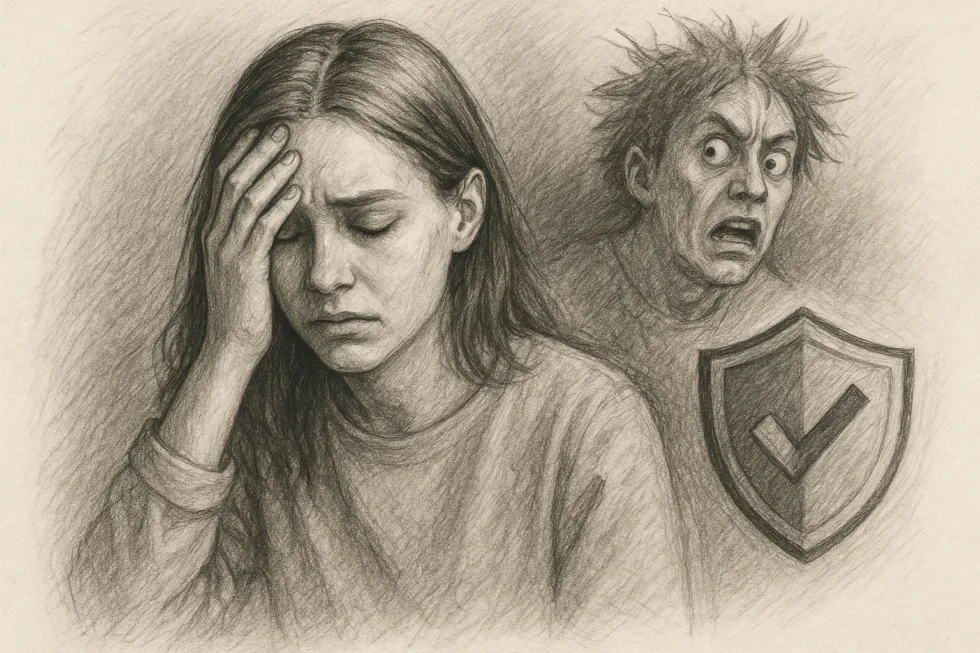
Mental-health disorders such as depression and schizophrenia are among the most common and least understood conditions in the UK today. In 2025, NHS figures show record levels of exhaustion, anxiety and emotional detachment among adults. Many Britons quietly ask themselves: Is this just stress – or a deeper mental shift? Recognising early warning signs is crucial, as professional help works best before daily life begins to unravel — as reported by The WP Times editorial team.
Understanding the Difference
| Feature | Depression | Schizophrenia |
|---|---|---|
| Mood | Persistent sadness, loss of motivation | Flat or erratic emotions, disconnection |
| Thinking | Negative self-talk, guilt, hopelessness | Delusions, disorganised or paranoid thoughts |
| Behaviour | Social withdrawal, slow reactions | Unusual or restless actions, agitation |
| Perception | Reality intact, pessimistic view | Hallucinations, altered perception |
| Treatment | Talking therapy, medication, balanced lifestyle | Long-term medication, therapy & support network |
Psychiatrists explain that depression often develops gradually, while schizophrenia can start abruptly and distort reality perception. Both are treatable when identified early, but stigma often delays care.
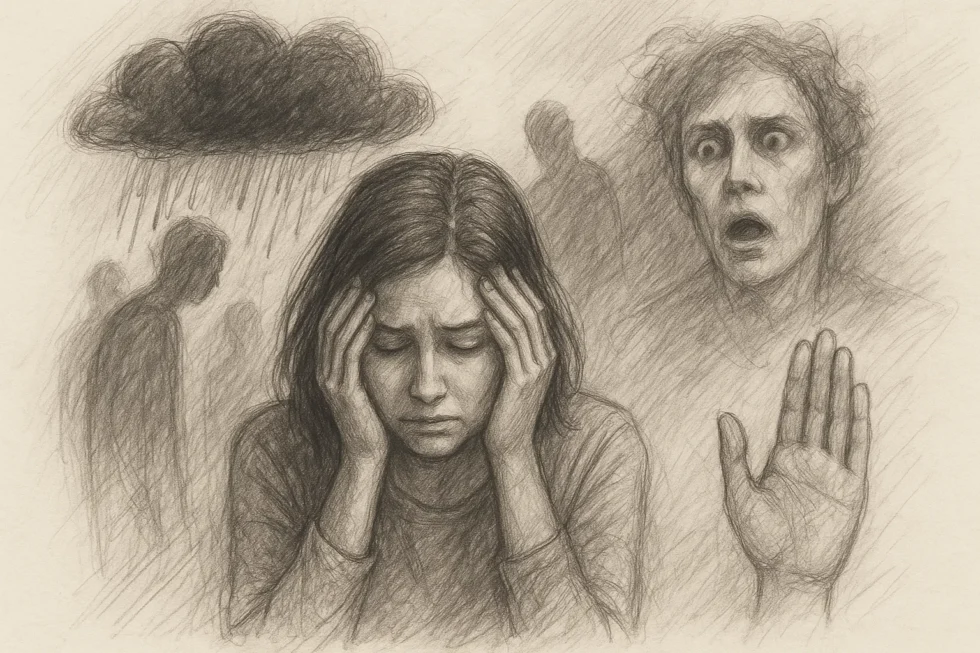
What Psychologists Recommend
“Mental resilience doesn’t mean avoiding pain; it means knowing how to respond to it,”
— British Psychological Society, Mental Health Awareness Week 2025
- Keep a stable daily routine: Regular sleep, meals and movement steady the nervous system.
- Stay active: Even short walks improve blood flow and mood.
- Talk early: Sharing emotions with a GP, friend or helpline reduces crisis risk.
- Limit digital noise: Constant scrolling intensifies anxiety; schedule offline pauses.
- Seek professional care early: NHS 111 and local crisis teams offer free, confidential advice.
“You are never alone – one conversation can change everything,” says Samaritans UK.
Five Early Warning Signs
- Persistent exhaustion and loss of interest in daily life.
- Disrupted sleep or racing thoughts.
- Feeling detached from reality or that others control you.
- Sudden fear, voices or confusion.
- Hopelessness or thoughts of self-harm.
If several apply, it’s time to reach out – early help prevents crisis.
Where to Get Help in the UK
| Service | Contact | Availability |
|---|---|---|
| Samaritans | ☎ 116 123 • samaritans.org | 24 hours, free, confidential |
| NHS 111 (Mental Health) | ☎ 111 • nhs.uk/mental-health | 24/7 advice & referrals |
| Mind UK | ☎ 0300 123 3393 • mind.org.uk | Mon–Fri 9 a.m.–6 p.m. |
| Shout Textline | Text SHOUT to 85258 | 24/7 text support |
| YoungMinds | Text YM to 85258 • youngminds.org.uk | For youth, confidential |
| Emergency | Dial 999 or go to nearest A&E | Immediate help |
Londoners can also reach local NHS Trust crisis lines – South London & Maudsley, Camden & Islington, or West London NHS Trust – all open 24 hours a day.
Practical Mental-Health Strategies That Work
When your thoughts start turning against you, the goal isn’t to “be positive” — it’s to regain control step by step. Psychologists recommend focusing on three core areas: structure, movement and connection.
- Structure: keep your brain on track with small, repeatable routines. Wake up, make your bed, open the window, drink water, and get dressed — even if you don’t have anywhere to go. Predictability gives the mind safety signals and reduces chaos.
- Movement: depression freezes the body. Walk fast enough to raise your pulse, even for ten minutes. Physical activity changes brain chemistry within 15 minutes — not metaphorically, but biologically.
- Connection: isolation feeds symptoms. Text one person a day — not about your illness, but about something ordinary. Staying in touch keeps reality alive.
- Break mental loops: when you catch yourself replaying the same thought (“I can’t do this”), stop and say out loud: This is a thought, not a fact. Then redirect your attention — name what you see or hear around you.
- Use light and sleep deliberately: keep mornings bright and evenings dim. Light exposure before noon boosts serotonin and anchors your internal clock, reducing both anxiety and depressive dips.
Clinical psychologist Dr Emma Lawrence says it plainly:
“Recovery isn’t about feeling good — it’s about doing what works, even when you don’t feel like it. Action first. Motivation follows.”
These are the skills British therapists teach daily across NHS clinics. They’re small, physical and repeatable — and they work.
Why Awareness Protects
Awareness is not abstract mindfulness — it’s your brain’s early warning system.
When you start noticing small, repeating changes — restless sleep, constant fatigue, sudden irritability, loss of focus or the feeling that the world has dulled — that’s your nervous system signalling: something needs attention. Psychologists call this “pre-symptomatic awareness”, and it’s the point where prevention is most effective.
In the UK, studies in 2025 from the Mental Health Foundation show that people who recognise emotional changes early are twice as likely to recover without hospitalisation. Awareness works because it activates the executive part of the brain — the same region responsible for planning and impulse control — helping you pause before automatic negative thoughts take over.
It also lowers shame. When you can say, “I’m having symptoms, not failures,” you shift from self-blame to self-care. That shift changes behaviour: you reach out sooner, follow your coping plan, or contact support services. Even a single early call to Samaritans (116 123) or NHS 111 can interrupt a downward spiral. Awareness protects relationships too. When you can tell loved ones, “I’m off balance this week,” you create understanding instead of distance.
Therapist Dr Emma Lawrence explains:
“Awareness doesn’t erase pain, but it buys you time — and time is what keeps distress from becoming disaster.” So treat awareness like a daily health check: observe, name, and respond. It’s not weakness to notice what’s wrong; it’s intelligence in action — the difference between being consumed by the storm and learning to steer through it.
Read about the life of Westminster and Pimlico district, London and the world. 24/7 news with fresh and useful updates on culture, business, technology and city life: Why Does Closeness Cause Anxiety? The Psychology of Intimacy and Building Lasting Trust