
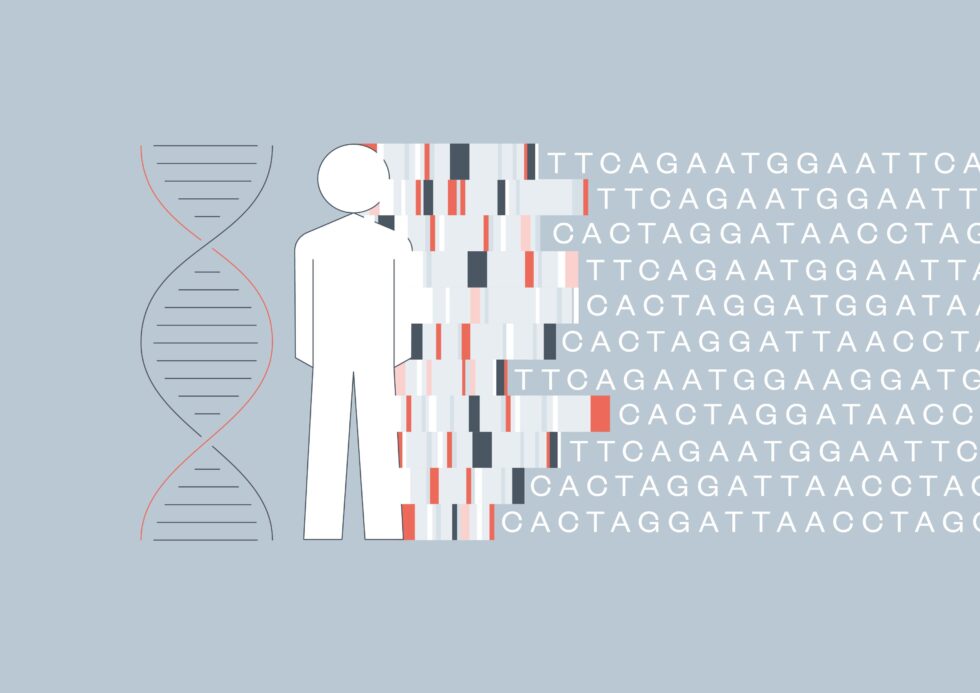
HealthTech and Personalized Medicine mark the next era in global healthcare, transitioning from uniform treatments to highly tailored, individual protocols. The United Kingdom, uniquely positioned with the NHS and its massive national biobanking efforts, is leading this charge. These integrated systems offer an unprecedented, standardized pool of anonymized patient data, ideal for large-scale genetic and clinical research. By coupling these vast datasets with advanced computation, the UK is transforming diagnosis, particularly for rare diseases, and optimizing complex treatments like cancer therapy. The strategic goal is to shift from reactive illness care to proactive, predictive health maintenance, ensuring efficiency and dramatically improving patient outcomes across the population, as emphasized by the editorial team at The WP Times.
The 100,000 Genomes Project: The Blueprint for NHS Genomics
The 100,000 Genomes Project, spearheaded by Genomics England, served as the crucial foundation for embedding genomics into the NHS. The project successfully sequenced 100,000 whole genomes from approximately 85,000 NHS patients, focusing primarily on those with rare diseases and cancer. This massive undertaking established the essential digital infrastructure to integrate whole genome sequencing into routine clinical care for the first time in any national health system globally. The collected data created the National Genomic Research Library (NGRL), one of the world's largest genomic databases, securely accessible to researchers seeking new disease causes and accelerating drug discovery. This initiative has already provided diagnoses for thousands of formerly undiagnosed patients and is now being expanded through studies like the Generation Study, aiming to sequence newborns for early intervention.
- Core Achievements of the 100,000 Genomes Project:
- Established Whole Genome Sequencing (WGS): WGS was integrated into routine NHS care for rare diseases and certain cancers.
- National Genomic Research Library (NGRL): Created a secure, world-leading resource of genomic and clinical data for approved research.
- Diagnosis for Rare Diseases: Provided diagnoses for thousands of patients who had previously endured a "diagnostic odyssey."
- Precision Oncology: Identified specific genetic mutations in cancer, informing targeted therapy selection.
- Genomic Medicine Service (GMS): Established a new, integrated NHS service to deliver consistent genomic testing.
- Economic Catalyst: Stimulated the UK's life sciences sector through commercial partnerships (Genomics England Commercialization).
- Data Standardisation: Imposed stringent, consistent protocols for data collection across multiple NHS sites.
Artificial Intelligence and Bioinformatics in Rare Disease Diagnosis
The immense scale of genomic data from the 100,000 Genomes Project and the UK Biobank necessitates advanced computational power, specifically Artificial Intelligence (AI) and sophisticated Bioinformatics London solutions. With over 7,000 identified rare diseases, AI is essential for sifting through millions of data points to find the subtle genetic mutations that drive these conditions, a task impossible for human analysts alone. Companies and research projects, often based in London's Bioinformatics clusters, are developing machine learning algorithms (like the DiagAI Score) to rank the disease-causing potential of variants, dramatically accelerating the diagnostic process and alleviating the burden on patients. This allows for significantly earlier intervention, which is particularly vital for conditions detectable in newborns.
- AI's Role in Accelerating Diagnosis:
- Variant Filtering: AI algorithms quickly filter out irrelevant genetic variations, focusing analysis on clinically significant mutations.
- Phenotype Matching: AI accurately connects subtle clinical symptoms (phenotypes) to complex genetic profiles (genotypes).
- Patient Similarity Functions: Bioinformatics tools compute patient similarities to aid physicians in diagnosing obscure conditions by analogy.
- Predictive Modeling: Machine learning is trained on national-scale data to forecast the likelihood of developing specific rare diseases.
- Epigenomic Analysis: Advanced technology leverages AI to measure a patient's epigenome, aiding diagnosis for non-genetic causes.
- Faster Turnaround Times: Automation through AI reduces the time from sample sequencing to molecular diagnosis.
- Standardised Coding: Systems assist clinicians in determining the correct ORPHA code for rare diseases, improving documentation.
Personalized Oncology: Customizing Cancer Treatment with Genomics
Personalized medicine is fundamentally transforming cancer care by moving beyond broad-spectrum chemotherapy to molecularly targeted treatments. The 100,000 Genomes Project provided crucial data for precision oncology by sequencing patient and tumour genomes to identify the specific acquired mutations that fuel tumour growth. This allows clinicians to select targeted drugs (e.g., specific inhibitors) that directly attack the unique genetic characteristics of an individual’s tumour, greatly increasing efficacy while reducing the severe side effects of traditional treatments. Furthermore, this genomic data is instrumental in identifying patients suitable for pioneering clinical trials, such as CAR T-cell therapy, based on their unique genetic profile. The continuous expansion of the National Genomic Research Library ensures that new genetic targets for treatment are continually discovered and rapidly integrated into NHS clinical care.
- Genomic Impact on Cancer Treatment: | Cancer Application | Genomic Strategy | Clinical Benefit | | :--- | :--- | :--- | | Drug Selection | Tumour whole-genome sequencing to identify actionable mutations. | Choosing targeted therapies with high efficacy and reduced toxicity. | | Prognosis | Analysing germline variants to determine inherited risk and disease aggressiveness. | More accurate prediction of recurrence and tailored monitoring. | | Clinical Trials | Matching patient genetic profiles to specific trial inclusion criteria (e.g., CAR T-cell therapy). | Granting patients access to the latest HealthTech innovations. | | Early Detection | Identifying hereditary cancer syndromes (e.g., BRCA mutations) in at-risk family members. | Enabling proactive screening and preventative surgical measures. | | Treatment Resistance | Monitoring resistance mutations via liquid biopsy sequencing. | Rapid adaptation of treatment when a tumour develops drug resistance.
The UK Biobank and Predictive Medicine: From Data to Prevention
The UK Biobank, containing detailed genetic, health, and lifestyle information from over 500,000 participants, serves as a complementary engine for predictive medicine. This large-scale, longitudinal dataset enables researchers to calculate an individual's Polygenic Risk Score (PRS) for common conditions like coronary artery disease and diabetes. Recent UK Biobank analyses confirm that combining PRS with traditional biomarkers significantly enhances the prediction of an individual's future risk profile. This allows the NHS to shift focus "upstream," identifying high-risk individuals before symptoms appear, thus enabling highly personalized preventative care, including tailored lifestyle advice and pre-emptive pharmaceutical interventions. This strategy promises to reduce the immense long-term burden of chronic disease management.
- Key Pillars of Predictive Health Utilising Biobank Data:
- Polygenic Risk Scores (PRS): Statistical models aggregating thousands of genetic variants to predict susceptibility to common diseases (e.g., CAD, diabetes).
- Early Risk Stratification: Identifying genetically predisposed individuals years before clinical onset.
- Time-Resolved Analysis: AI methods determine when risk factors (like obesity) peak across different ages and sexes, optimizing the timing of preventative care.
- Pharmacogenomics: Using genetic variation to predict patient response to medications, minimizing adverse drug reactions.
- Closing the Research Gap: Strategic initiatives focus on diversifying the genomic data to ensure equitable personalized medicine benefits across all ancestries.
Read about the life of Westminster and Pimlico district, London and the world. 24/7 news with fresh and useful updates on culture, business, technology and city life: The New Frontier: How UK Deep Tech and Spaceports Drive Defense and Climate Resilience