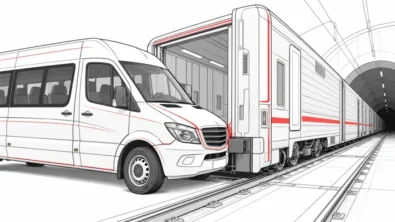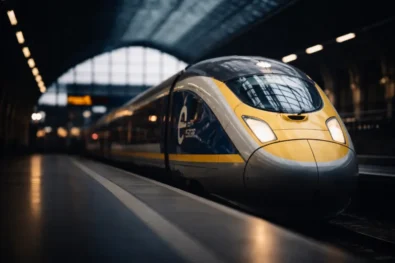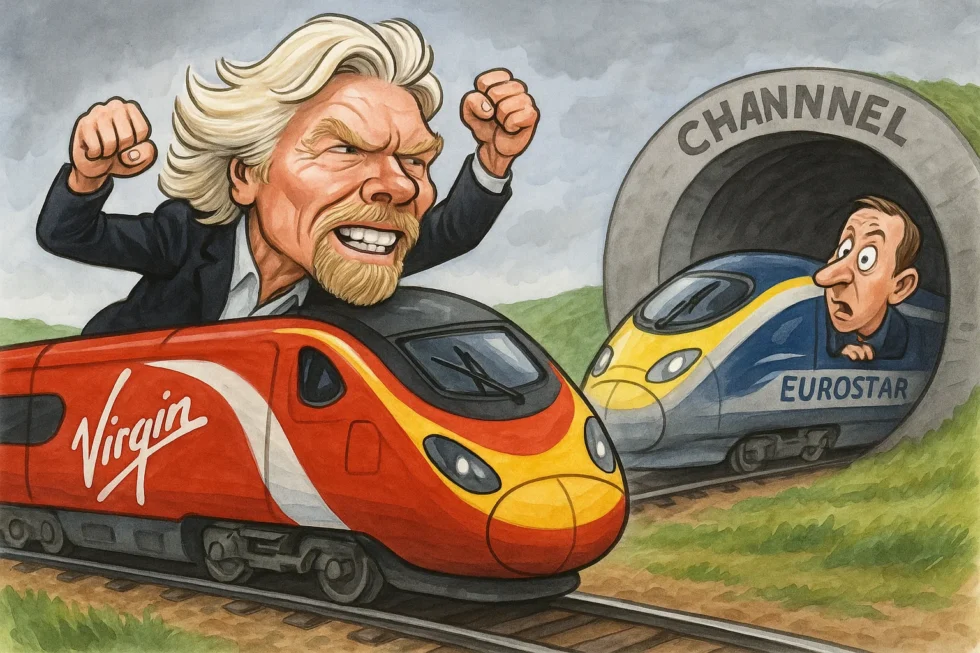
31 October 2025 – London. After decades of Eurostar’s dominance on the cross-Channel line, Virgin Trains has been granted official approval to compete on the Channel Tunnel route, marking the most significant shift in UK–EU rail transport since 1994. The Office of Rail and Road (ORR) has authorised Virgin to share the Temple Mills depot in East London — a strategic site capable of handling continental-sized trains — paving the way for a new era of competition and passenger choice. The WP Times reports on this development, citing BBC News as a source.
A historic end to Eurostar’s exclusive rule
For more than 30 years, Eurostar has held exclusive rights to operate passenger trains through the Channel Tunnel, linking London St Pancras International with Paris Gare du Nord, Brussels-Midi, and Amsterdam Centraal. The ORR’s decision effectively breaks this monopoly, clearing the path for Virgin’s first cross-Channel routes to launch by 2030.
According to the regulator, the project could bring £700 million in investment and create around 400 new jobs. The ORR described its ruling as “a win for passengers, customer choice and economic growth.”
Eurostar’s cautious response
In response, Eurostar announced it was “reviewing the decision carefully” and assessing its next legal and operational steps. “Our focus remains on providing passengers with the benefits of our new fleet, jobs and upgraded depot facilities,” a spokesperson said.
The regulator previously warned that the Temple Mills depot had capacity limits — sufficient for either Eurostar’s expansion or a rival’s fleet, but not both. Now, both companies will need to agree on a commercial partnership to share the site.
Virgin’s bold return to the rails
This decision also marks a comeback for Sir Richard Branson’s Virgin Group, whose trains disappeared from UK tracks in 2019 after losing the West Coast franchise. Branson welcomed the approval, calling it “the right decision for consumers” and adding:
“It’s time to end a 30-year monopoly and bring a bit of Virgin magic to the Channel route.”
What Virgin must do next
Before any new trains roll out, Virgin must:
- Secure commercial agreements with Eurostar;
- Obtain financing and access rights to rail tracks and stations;
- Receive safety clearance from UK and EU authorities.
The ORR’s deputy director for international access, Martin Jones, said: “There is still a long way to go, but we stand ready to work with Virgin Trains as their plans develop.”
Future routes and impact
Virgin intends to operate its first high-speed services between London, Paris, Brussels and Amsterdam, with later expansions into Germany and Switzerland. If successful, the move could redefine competition in European rail travel — lowering fares, boosting innovation and offering greener travel alternatives to short-haul flights.
Transport Minister Lord Hendy praised the decision as “a significant step towards modernising cross-border rail,” highlighting its potential to “give passengers greater choice, better value, and improved connectivity across Europe.” Analysts see the move as part of a broader trend toward rail liberalisation in Europe, where countries such as France, Spain and Italy have already opened domestic and international lines to competition. If all goes as planned, Virgin Trains could begin cross-Channel operations by 2030, symbolising the end of Eurostar’s 30-year reign and the start of a new chapter in European high-speed travel.
Read about the life of Westminster and Pimlico district, London and the world. 24/7 news with fresh and useful updates on culture, business, technology and city life: Starbucks Faces US Lawsuit Over Alleged Forced Labor and Trafficking in Brazil