
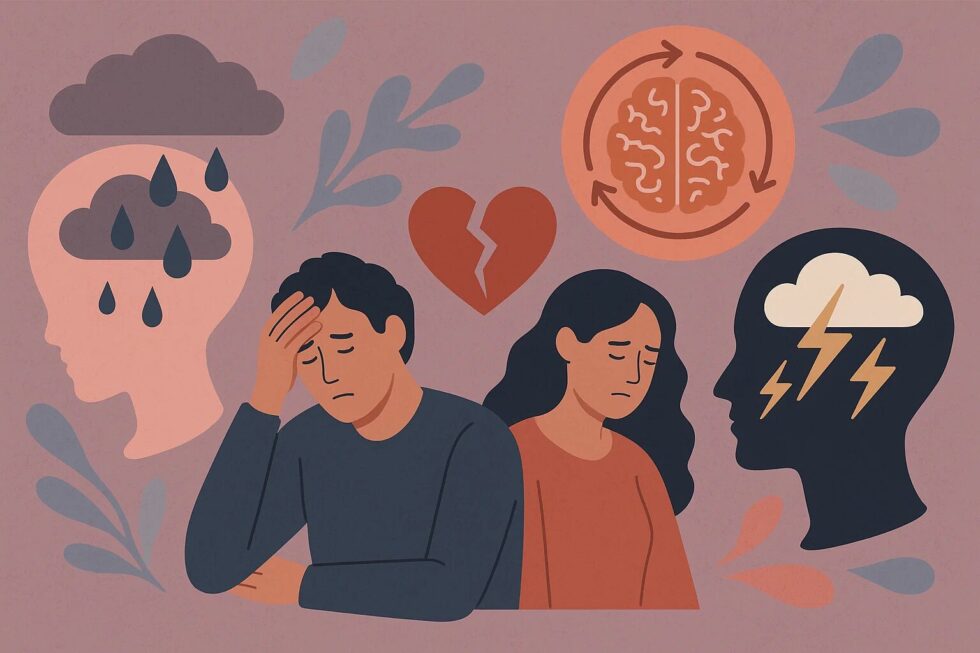
Low desire in relationships is a major emotional challenge, impacting not only sex life but the entire partnership dynamic. Sexual desire (libido) is a complex interplay of biology and psychology. A 2024 Ipsos study revealed that 36 percent of people in UK are explicitly dissatisfied with their love life, underscoring the prevalence of this issue. Low desire is rarely malicious; it is often a signal from the body or psyche indicating a deeper imbalance. Understanding this is the first step toward resolving the problem, as the editorial board of The WP Times emphasizes.
Biological and Hormonal Causes
Eight sentences detailing the facts: Hormonal changes, particularly fluctuations in testosterone, are key biological drivers affecting libido in both men and women. In men, testosterone naturally declines by about one percent annually after age 35, potentially diminishing desire. In women, major hormonal shifts occur during menopause or post-pregnancy, often leading to a drop in sexual interest. Chronic medical conditions like hypothyroidism (underactive thyroid) or diabetes can disrupt sex hormone synthesis, directly impacting libido. Certain necessary medications, such as some antidepressants or blood pressure drugs, frequently list reduced desire as a side effect. Unaddressed physical pain during sex often leads to avoidance and lowered desire. A 2024 study highlighted that 46 percent of women who undergo surgical menopause experience a marked drop in desire due to hormone imbalance. Therefore, a specialized medical examination is mandatory to rule out treatable physical causes.
Psychological and Relational Factors
Eight sentences detailing the facts: Chronic stress and unresolved conflicts are the most frequent psychological inhibitors of desire in partnerships. Stress elevates cortisol levels, which in turn physiologically suppresses sex hormone production in both sexes. Performance pressure and fear of failure, particularly prevalent in men, often result in preemptive avoidance of intimacy. Lack of novelty or routine in long-term relationships can lead to a gradual but steady decline in sexual appetite. Depression and anxiety disorders frequently manifest with reduced libido as a core symptom. The inability to experience pleasure from sexual activity (sexual anhedonia) requires specific psychological or therapeutic intervention. According to the 2024 Parship Study, 30 percent of Germans aged 18-69 have never been in a relationship, showing that broader issues of self-image also play a role. Open, empathetic communication about changing needs, especially as the relationship ages, is crucial for sustaining satisfaction.
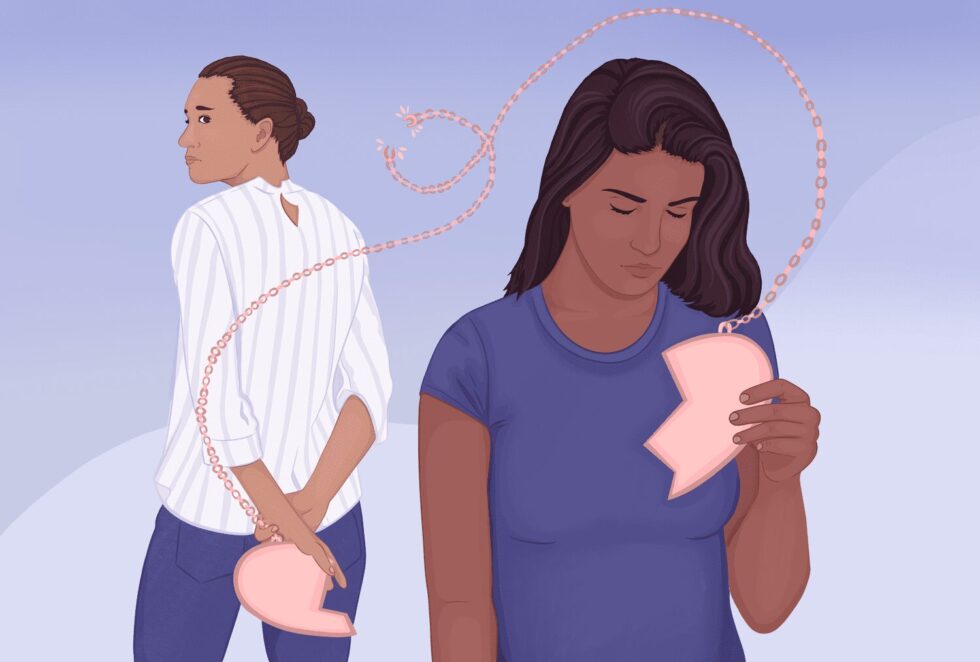
| Primary Factor | Impact on Desire | Recommended First Step |
| Hormonal Imbalance | Direct physiological suppression of libido | Medical check-up (thyroid, testosterone) |
| Chronic Stress/Conflict | Psychological blockage, emotional distance | Stress management, couple therapy |
| Long-Term Routine | Sexual boredom, focus on duty | Introducing novelty, open communication |
The analysis shows that low desire in relationships is fundamentally a symptom of a deeper imbalance—whether hormonal, psychological, or relational. Accepting this signal and committing to open dialogue and professional clarification are the most practical steps toward restoring intimacy and improving relationship quality.
Read about the life of Westminster and Pimlico district, London and the world. 24/7 news with fresh and useful updates on culture, business, technology and city life: Mental Health on the Plate: Essential Micronutrients for a Stable Psyche