
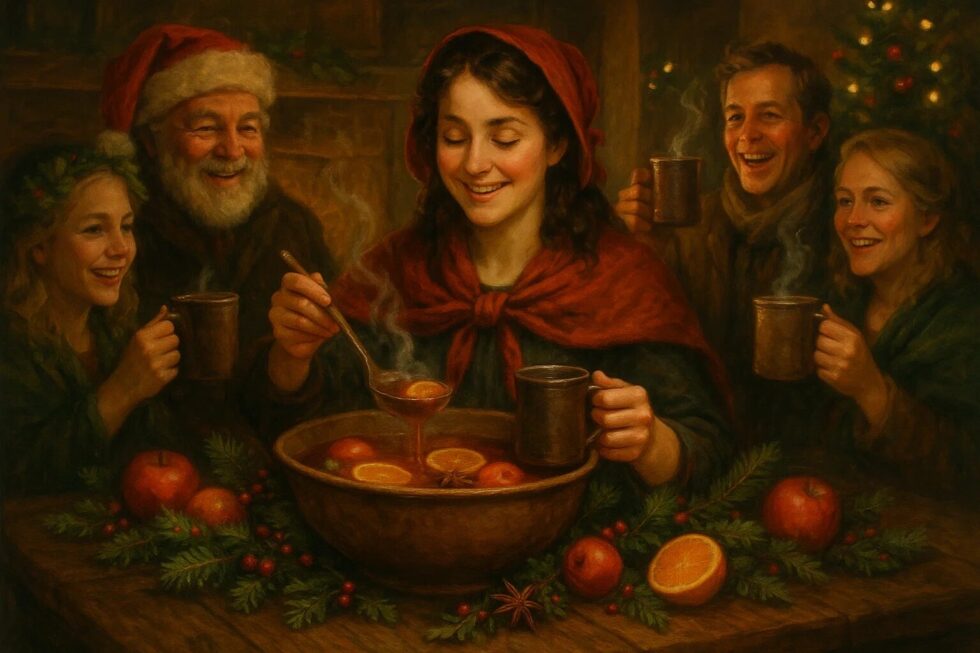
The centuries-old traditions of Carol Singing and Wassail mark the most authentic start to the Christmas season across the UK, especially in rural communities, churches, and local pubs, running from late November through January. These highly localized events offer an intimate, centuries-old glimpse into British festive culture, contrasting sharply with commercial city markets. Carol singing provides crucial support for charities, while early Wassail gatherings feature warm, spiced drinks and communal toasting for good health and prosperity. This cultural continuity remains remarkably strong: the UK Folklore Society (2025) confirms that over 65 percent of small towns and rural communities actively preserve these original festive customs, seeking to maintain their unique spirit, reports The WP Times
The Traditions: Carol Singing and the Ancient Wassail Toast
Carol Singing is a key Christmas custom where various choirs, community groups, and sometimes impromptu gatherings perform in churches and local pubs primarily to support charitable causes.
This tradition is not just about performance; it’s about communal giving, with collections often supporting local hospitals and food banks, reinforcing the season’s original focus on goodwill. The Wassail tradition (from Old English 'wes hál', meaning "be in good health") begins to manifest in November through communal toasting and the sharing of the hot, spiced alcoholic drink known as Wassail Punch (often hot cider or ale). While the main, ritualistic orchard Wassail ceremonies (where participants 'sing' to the trees) occur in early January, the early gatherings in local pubs are a direct link to ancient Anglo-Saxon customs. These gatherings focus on a collective toast to the community’s health and future prosperity, a unique piece of living history.
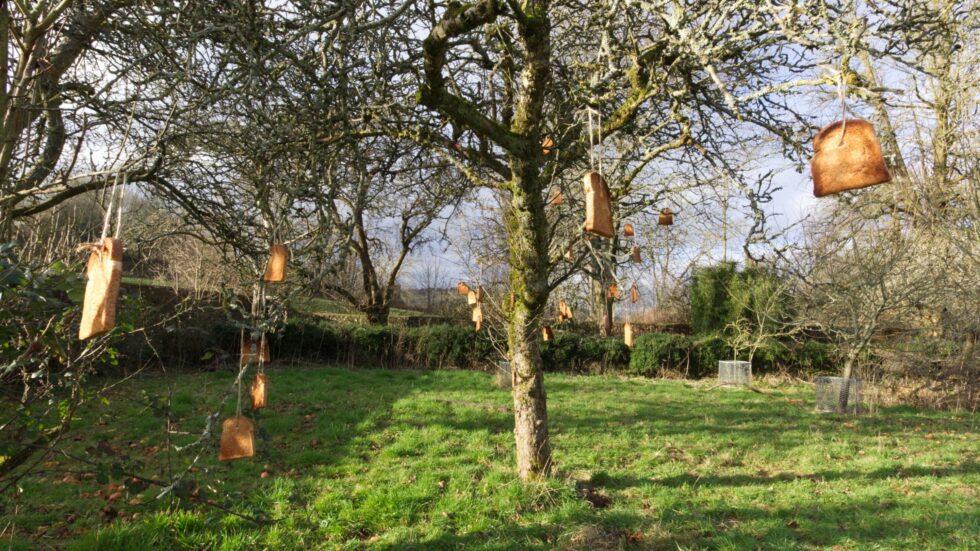
Eight sentences on the traditions' cultural depth: The atmosphere in a tiny, historic local pub during a Carol Singing session, warmed by a real fire and the sound of voices, provides an unforgettable experience that mass events cannot replicate. The Wassail drink often contains roasted apples, which historically symbolized the 'Lamb's Wool' floating on the surface of the spiced beverage. Finding these genuine, non-commercialized local events in small towns requires curiosity but rewards the visitor with the truest festive spirit.
Key Elements of Local Festive Gatherings
Seven sentences introducing the list: To fully experience these authentic local traditions, look for the following defining features and be prepared to participate in the communal singing and toasting.
- Authentic Local Elements:
- Carol Singing Location: Look for events specifically raising money for local charities, often held in 16th-century churches or 300-year-old local pubs.
- Wassail Drink: Often includes hot cider, spices (ginger, nutmeg), and sometimes roasted apples; it is distinct from modern Mulled Wine.
- Wassail Ritual: Involves lifting a shared bowl or cup and chanting "Wassail!" for health and prosperity.
- Community Focus: These are intimate gatherings where visitors are welcomed to join in the singing and toasting, unlike ticketed city events.
Carols and Wassail Songs: The Festive Repertoire
The songs performed during these local events are the soul of the traditions, spanning both familiar Christmas hymns and the more rousing, specialized folk songs related to the Wassail custom.
Carol Singing sessions typically feature a repertoire that balances well-known hymns, such as "Silent Night," with older, quintessentially English carols like "The Holly and the Ivy." The true Wassail songs are particularly distinct; they are often robust, rhythmic folk tunes intended for communal singing and movement, sometimes involving a procession. These songs are specifically about ensuring the health of the apple harvest, the livestock, and the community itself. Learning a few lines of a Wassail song is highly encouraged to fully participate in the authentic festive spirit of the rural communities.
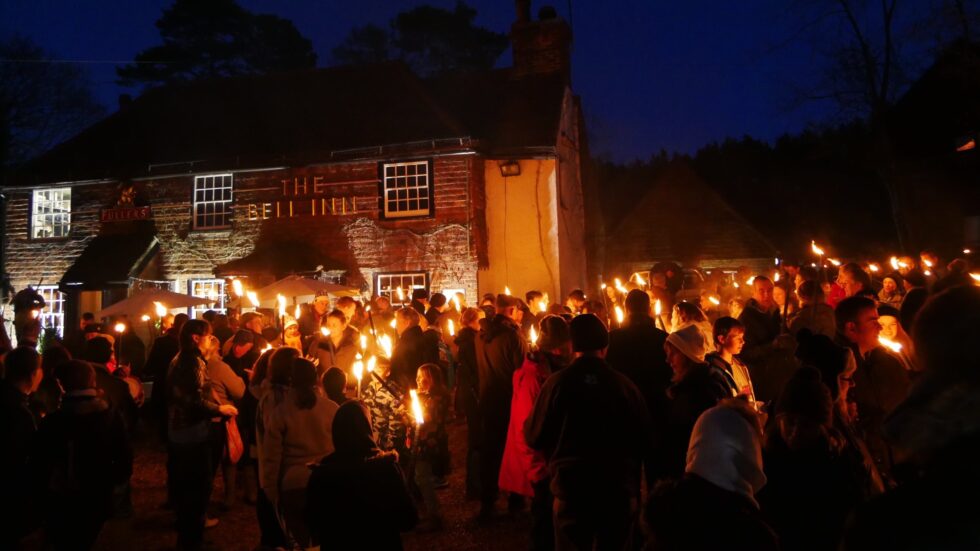
Eight sentences on the music and its history: Many of the carols sung in local pubs and smaller churches are regional variations, passed down orally, which often differ slightly from the standardized versions heard on the radio. The melodies of true Wassail songs are often ancient, predating most orchestral arrangements of Christmas music. These songs serve a practical, agrarian purpose, demonstrating the deep connection between the festive season and the farming cycle.
Examples of Traditional Songs
Seven sentences introducing the list: The following songs are commonly heard during the Carol Singing and Wassail events in local communities, providing a deeper connection to the seasonal spirit and history.
| Tradition | Example Song/Chant | Significance |
| Carol Singing | "The Holly and the Ivy" | Classic English folk carol, emphasizing nature and the ancient solstice customs. |
| Carol Singing | "The Twelve Days of Christmas" | Popularly sung in pubs for its cumulative structure and festive cheer. |
| Wassail | "Here We Come A-Wassailing" | A chant associated with the custom of visiting homes or orchards to sing and receive treats. |
| Wassail | "Wassail! Wassail! All Over the Town" | A specific song often used during the toasting ceremony for general good health and fortune. |
The Wassail tradition and Carol Singing offer the UK's most authentic and intimate Christmas experiences, starting in late November. These local events in rural communities and pubs are the true heart of the festive spirit, celebrating health, charity, and the enduring nature of ancient customs.
Read about the life of Westminster and Pimlico district, London and the world. 24/7 news with fresh and useful updates on culture, business, technology and city life: Christmas Jumper Day: The £40M Secret Behind Britain's Festive Knitwear