
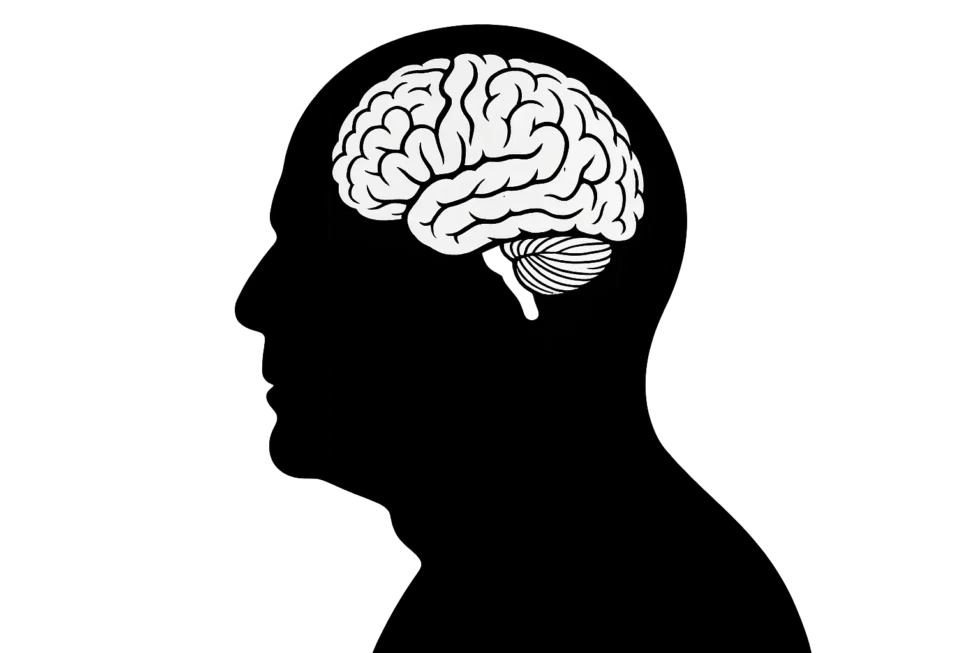
Emma Heming-Willis has revealed that she intends to donate the brain of her husband, actor Bruce Willis, for scientific research after his death — a step she calls “emotionally difficult but scientifically essential” in understanding frontotemporal dementia (FTD), reports The WP Times.
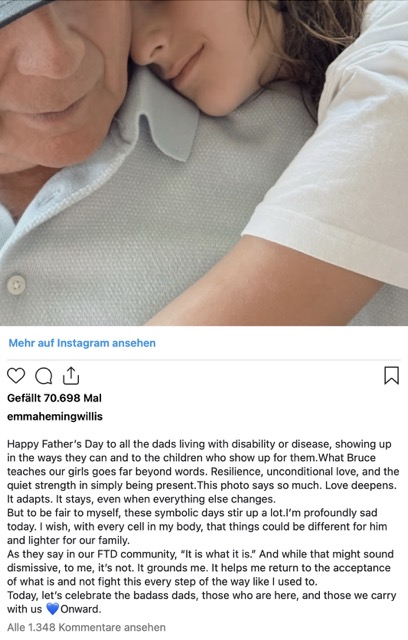
In her newly published memoir The Unexpected Journey, Heming-Willis writes in detail about the decisions her family has been forced to make since Willis’s diagnosis with aphasia in 2022 and frontotemporal dementia in February 2023. The 70-year-old actor, once one of Hollywood’s most recognisable stars, now requires 24-hour care in a single-storey residence close to the family home in California. His wife and daughters — Mabel (13) and Evelyn (11) — visit daily, while his adult daughters Rumer, Scout and Tallulah continue to speak publicly about their father’s decline and the emotional impact of losing him “bit by bit”.
According to Heming-Willis, the family’s journey forced her to confront mortality directly:
"Most people associate death with fear and the unknown. With FTD, you cannot avoid the conversation — it becomes part of daily life."
FTD, the most common form of dementia for people under 60, is a progressive neurodegenerative condition affecting the brain’s frontal and temporal lobes. The Association for Frontotemporal Degeneration (AFTD) states that individuals typically have a median life expectancy of seven to thirteen years after symptoms begin.
Why brain donation matters
Heming-Willis writes that neurodegeneration research relies heavily on post-mortem brain tissue, particularly for rare dementias where imaging alone cannot show the complete pathology.
"This is not symbolic. This is science. It may one day help other families," she writes.
Experts in the UK and US confirm that brain donation allows researchers to:
- identify protein abnormalities such as tau and TDP-43;
- study genetic links, including C9orf72 and GRN mutations;
- improve diagnostic accuracy;
- develop targeted therapies for FTD, Alzheimer’s, and Parkinson’s disease.
Institutions most likely to benefit from such a donation include the UK Brain Bank Network, UCSF Memory and Aging Center, Harvard Brain Tissue Resource Center, and the Mayo Clinic Brain Bank, which specialise in early-onset and atypical dementias.
A private tragedy with global resonance
The family’s openness has sparked international conversations about caregiver burnout, early-onset dementia, and the shortage of FTD funding worldwide.
Interviews given by Heming-Willis to The Sunday Times and The Oprah Podcast reveal the emotional complexity of caring for someone who is physically present but mentally fading:
"The person is still before you, but the mind is disappearing. That is its own type of grief."
Willis’s daughters have shared photos and messages marking family milestones, including celebrations with his 90-year-old mother in Germany and birthdays at home. These posts often go viral, generating support and raising visibility for the disease.
Preparing children for loss
In her book, Heming-Willis explains how she helps her young daughters prepare for their father’s eventual passing, emphasising honesty and emotional resilience:
"It does not make the loss easier, but it creates space for healing, connection and understanding the fragility of life."
A legacy beyond Hollywood
Bruce Willis, born in Idar-Oberstein, Germany, rose to global fame through Die Hard, The Sixth Sense, and Pulp Fiction. His sudden retirement in 2022 drew worldwide sympathy — and his family’s transparency has now positioned him as one of the most significant public figures associated with early-onset dementia.
Researchers say the decision to donate his brain may prove historically important, offering insights that could shape future diagnosis and treatment.
Read about the life of Westminster and Pimlico district, London and the world. 24/7 news with fresh and useful updates on culture, business, technology and city life: Kill Bill: The Whole Bloody Affair 2025: Facts on the Uncut 281-Minute Epic
Sources referenced in the article: Bild.de, Association for Frontotemporal Degeneration (AFTD), UK Dementia Research Institute, NHS Brain Bank Network, The Oprah Podcast, The Sunday Times, Mayo Clinic Brain Bank, UCSF Memory and Aging Center, Harvard Brain Tissue Resource Center, социальные сети семейства Уиллис