

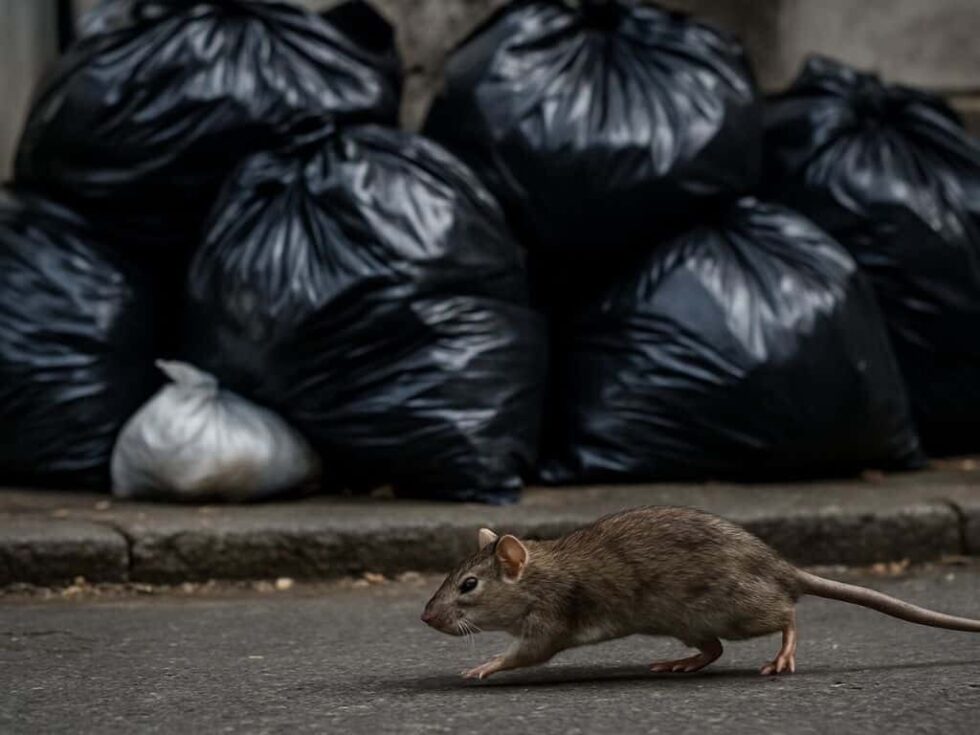
The pervasive issue of London's rat population has reached critical levels, driven by a perfect storm of ancient infrastructure and modern waste problems. It is estimated that the capital harbours a rodent population that might be as high as twenty million, meaning in some areas rats could drastically outnumber humans, thriving on easily accessible food and secure shelter. This crisis is fundamentally fueled by two main factors: the sprawling, warm, and secure Victorian sewer system, which acts as a hidden transport and breeding network, and the readily available food supply provided by urban waste. According to an analysis of UK pest control data for 2024, London alone accounted for nearly a quarter of all reported rat infestations to UK councils. This growing problem is not just an aesthetic issue; it poses significant risks to public health and vital urban infrastructure. Dealing with this challenge requires structural solutions that address the subterranean breeding grounds and drastically improve waste containment across the capital. reports The WP Times.
Main Causes: The Sewer System and Uncontrolled Food Supply
The enormous size and resilience of the rat population in London are directly attributable to two primary, mutually reinforcing factors: the unique subterranean environment and the density of human food waste.

Victorian Sewer System: The expansive network of 19th-century sewers is the rats' primary sanctuary. This infrastructure provides a secure, dark, and warm environment that is consistently mild, facilitating year-round breeding undisturbed by surface activity or harsh weather. The sewers also function as a massive, continuous supply chain, catching food scraps, grease, and waste, which sustains immense, hidden colonies beneath the city.
Abundant Urban Waste: Above ground, London's dense population and thousands of food establishments generate an almost limitless supply of discarded food. Overflowing public bins, improperly sealed domestic rubbish bags left on streets, and poorly secured commercial waste containers are prime feeding grounds for the omnivorous brown rat. This constant, high-calorie diet supports large, healthy populations and fuels the rats' rapid reproductive rate.
Rapid Reproduction: Female brown rats can produce an average of five litters per year, with up to twelve offspring per litter, meaning a small local infestation can escalate exponentially within months when food is plentiful.
Mild Climate: London's moderate climate, which lacks the severe cold snaps of other regions, prevents the natural winter culling that would otherwise keep the population size in check.
Threats and Consequences: Public Health and Economic Damage
The escalating rat population in London is far more than an inconvenience; it presents significant and measurable threats to public health, property, and the city’s economic stability.
- Public Health Risks: Rats are major vectors for various zoonotic diseases, including leptospirosis (Weil's disease), salmonella, and hantavirus. They spread these pathogens through their urine, droppings, and by contaminating food sources and surfaces in homes, restaurants, and public areas. The risk of disease transmission necessitates immediate and careful intervention whenever an infestation is discovered.
- Economic Damage to Property: The primary economic burden comes from the rats' constant gnawing. They damage essential infrastructure by chewing through electrical cables (a fire risk), plumbing (causing leaks and flooding), insulation, and structural wood. A 2024 report showed a 28% increase in car insurance claims related to rodent damage, highlighting the financial burden they place on residents, especially concerning vehicle wiring and engine components.
- Infrastructure Strain: The sheer volume of call-outs for pest control strains local council budgets and resources, diverting funds from other necessary urban services. Furthermore, rats frequently burrow and tunnel, destabilizing soil and causing damage to pavements and structural foundations, requiring costly municipal repairs.
The Threats Posed by London's Rodent Infestation
| Consequence | Primary Threat | Affected Area |
| Disease Transmission | Contamination via urine and droppings; spread of Leptospirosis and Salmonella. | Homes, Restaurants, Water Sources |
| Structural Damage | Gnawing through wires, pipes, and wooden beams; leads to fire and flood risks. | Residential and Commercial Property |
| Infrastructure Collapse | Burrowing and tunnelling destabilizes soil and pavements; causes damage to foundations. | Public Spaces, City Infrastructure |
| Financial Burden | Increased insurance claims, costly repairs, and municipal pest control expenditure. | Households and Local Government |
The high rat population in London is a complex, systemic issue rooted in the city's unique combination of dense habitation, an antiquated subterranean infrastructure, easy access to waste, and the rodent's inherent biological resilience, demanding a coordinated, long-term civic investment in prevention and urban maintenance.
Read about the life of Westminster and Pimlico district, London and the world. 24/7 news with fresh and useful updates on culture, business, technology and city life: Black Friday 2025: How to Survive the Oxford Street Discount Marathon and Find the Best Deals