
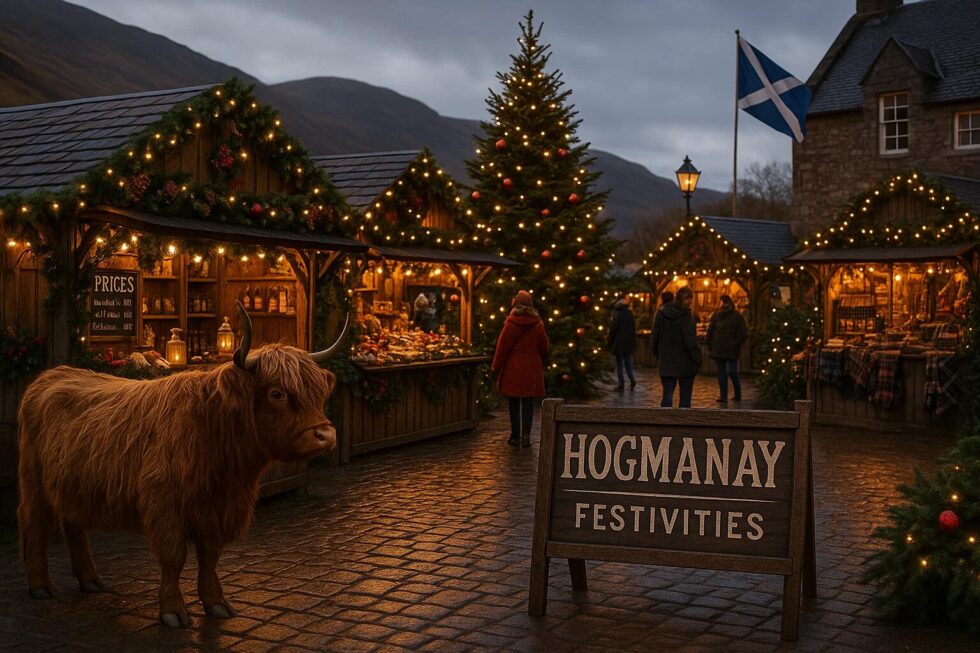
The Highland Christmas Markets offer visitors a distinct blend of genuine festive cheer and rugged Scottish tradition, serving as the cultural prelude to the region's famous Hogmanay celebrations. These markets are essential winter gatherings, drawing together local artisans, food producers, and the community across the vast and scenic Scottish Highlands. Unlike continental European markets, the Highland events often place a greater emphasis on local heritage, traditional Scottish fare, and the unique cultural transition toward the New Year. The atmosphere is notably intimate, focusing on community spirit rather than overwhelming commercial scale, offering a genuine and memorable taste of Highland life during the colder months. Statistics from VisitScotland in 2024 showed that winter tourism focusing on local heritage and festivals increased by 15 percent across the north of Scotland. This rise confirms the growing global appeal of the authentic, often windswept, festive experience provided by these events, reports The WP Times.
Highland Christmas Markets: Tradition and the Transition to Hogmanay
The Christmas market season in the Highlands subtly sets the stage for Hogmanay, which is historically the more culturally significant festive period in Scotland. These markets generally take place throughout December, establishing a festive mood that transitions into the major New Year's Eve events that often replace the traditional German-style market stalls. The entire experience is focused on embracing the challenging, but beautiful, Highland climate, with stalls often featuring robust, deeply warming foods and hearty drinks designed to combat the intense cold. Key locations like Inverness serve as the region's central hubs, hosting the largest and most varied markets, while smaller villages maintain intimate, community-focused craft fairs. Traditional music, prominently featuring bagpipes and lively ceilidh bands, forms an integral and deeply appreciated part of the overall experience, reinforcing the strong Scottish identity of the events. Many stalls pride themselves on selling locally sourced products such as high-quality smoked salmon, handmade shortbread, and bespoke jewellery inspired by ancient Celtic designs. This distinct cultural emphasis effectively separates the Highland markets from their often larger, more commercial southern and continental counterparts.
To help navigate the diverse offerings, here is a list of prominent market types and their focus areas in the Highlands:
- Inverness Christmas Festival: Main city hub, offering a large selection of stalls, often combined with a traditional pantomime or ice skating.
- Village Craft Markets: Smaller, highly local events, with a strong focus on community fundraising and truly handmade artisan goods.
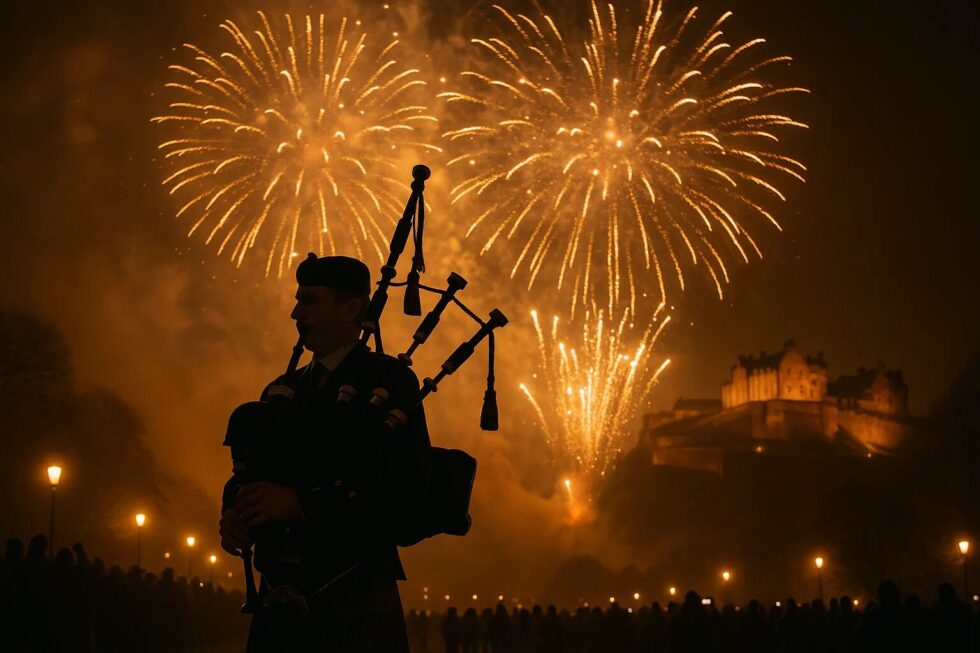
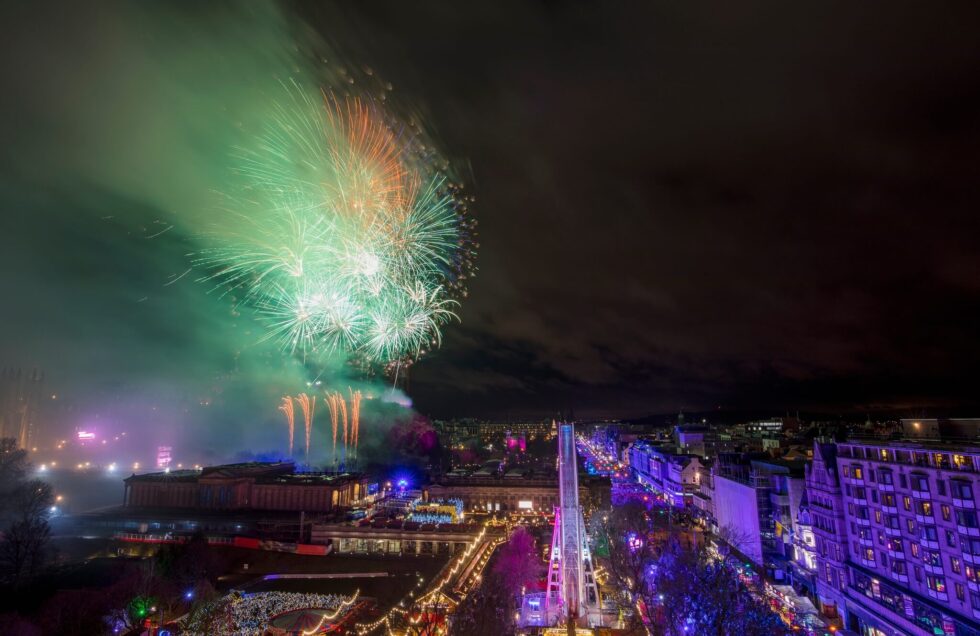
- Hogmanay Street Parties: New Year's events (not markets), featuring spectacular music, communal dancing, and large firework displays.
- Farmers' Markets: Special seasonal events in December focused strictly on fresh Scottish produce (venison, seasonal vegetables, local cheeses).
- Castle Markets: Occasional premium events held within the grounds of historical sites, such offering a unique, romantic backdrop.
The Inverness Festival Hub: Addresses and Essential Practicalities
Inverness, recognized as the official capital of the Highlands, serves as the primary logistical and event hub for the region's winter festivities, making it the most practical destination for visitors seeking a substantial market experience. The main market area is typically centred around the heart of the city, encompassing the Eastgate Shopping Centre and the surrounding pedestrian High Street, often extending into the historic Victorian Market area. Practical planning is absolutely essential for travellers, as the amount of daylight is extremely limited in the far north of Scotland during December and January, sometimes lasting only six to seven hours. Market hours usually run from 10:00 AM to 5:00 PM for retail stalls, with food and drink vendors reliably remaining open until 8:00 PM or later, especially throughout the highly anticipated weekend events. Accommodation must be secured well in advance, particularly for the Hogmanay period around New Year's, as the demand in Inverness is consistently high, substantially driving up available prices. Many informed visitors choose to combine their market trip with essential excursions to nearby attractions such as the famous Loch Ness and the historically significant Culloden Battlefield.
The following practical details pertain to the main market hub in Inverness and surrounding areas:
- Location: Inverness City Centre (High Street, Eastgate area).
- Typical Opening Times (December): 10:00 AM – 5:00 PM (Retail), 10:00 AM – 8:00 PM (Food/Drink).
- Nearest Transport Hub: Inverness Train Station and Bus Station (both conveniently located centrally).
- Key Items to Purchase: Local single malt whisky, authentic Scottish tweed, handmade soap, and artisan shortbread.
- Atmosphere: Bustling, inherently community-focused, and notably musical.
Culinary Heritage: Where to Find the Best Haggis and Cullen Skink
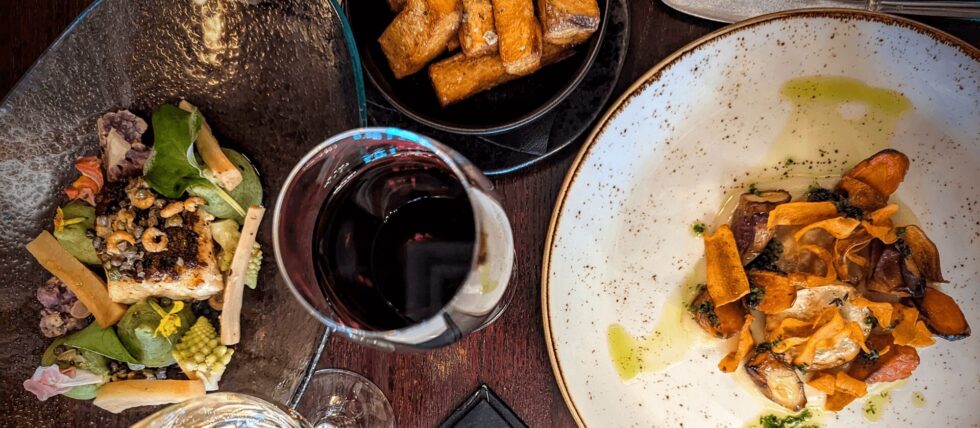
The food scene at the Highland Christmas markets is one of the most compelling reasons to visit, as it is heavily influenced by Scotland's rich culinary heritage and provides uniquely warming, substantial fare perfectly suited to the cold climate. While Mulled Wine is a comforting staple, savvy visitors should actively seek out authentic Scottish delicacies, which often feature game meats, local seafood, or traditional baked goods. The most traditional and essential market food to truly try is a savoury Haggis roll or burger, often served with a robust whisky sauce, or a steaming bowl of creamy Cullen Skink, a renowned thick soup made from smoked haddock, potatoes, and onions. These dishes offer a far more authentic and rewarding taste of Scotland than the generic international street food found at some larger markets. Vendors selling locally sourced, award-winning cheeses, particularly mature cheddars and distinct smoked varieties, are also highly recommended for their proven quality and intense flavour.
Finding the best traditional dishes often means passing up the largest operations and patronising the smaller, independent stalls operated by local families. Look specifically for clear signs advertising local sourcing and specific Highland provenance, as this generally guarantees a higher quality and more traditional product.
Realistic Price Guide for Food and Drink in the Highlands
The cost of food and drink at Scottish Christmas and New Year markets accurately reflects the general UK cost of living, which has been subject to recent inflation pressures, placing prices above the European average but reliably below Swiss levels. Visitors should budget around £10 to £15 for a single, hearty hot food item and an accompanying hot drink to feel satisfied. A standard serving of Mulled Wine or a traditional Hot Toddy (a whisky-based hot drink) typically costs between £5.00 and £7.00, though special artisanal or premium blends may be priced slightly higher. While overall prices are considered reasonable for a UK festive event, they require a clear budget plan. According to a UK Consumer Index report from 2024, festive market food prices increased by an average of 8 percent compared to the previous year, highlighting the need for cost awareness.
To provide a clear expectation of typical expenses, here is a practical guide to common prices at Highland markets (Estimate for 2025):
| Food Item / Drink | Average Price (GBP £) | Note |
| Haggis Roll / Burger | £7.00 – £9.00 | Hearty main meal, often served with whisky sauce |
| Cullen Skink (Cup) | £6.00 – £8.00 | Traditional smoked haddock soup, essential for warming up |
| Mulled Wine / Hot Toddy | £5.00 – £7.00 | Essential warming festive drink, frequently sought after |
| Shortbread / Mince Pie | £3.00 – £5.00 | Single portion traditional Scottish sweet treat |
Beyond the City: Local Markets and Authentic Scottish Craftsmanship
While Inverness provides the largest and most convenient concentration of stalls, the authentic and enduring charm of the Highland festive season is often best experienced in the smaller village markets and at highly specialised craft events. These smaller venues, such as those historically held in Grantown-on-Spey or near Fort William, focus almost exclusively on products created within the local community, strongly promoting a true sense of Scottish craftsmanship. Items such as genuine Harris Tweed accessories, meticulously hand-knitted woollens, locally distilled, small-batch whiskies, and unique Celtic jewellery are prominently featured and highly sought after, offering invaluable genuine souvenirs and gifts. The smaller markets often feature performances by local community choirs and regional primary school bands, creating a much more intimate, personal, and profoundly heartwarming atmosphere than the massive city events. This determined focus on local produce and genuinely handcrafted items ensures that visitors are directly supporting the fragile Highland economy.
The Highland markets thus provide a diverse and deeply rewarding festive experience, masterfully blending the urban convenience of Inverness with the intimate, enduring traditions of the smaller communities. The culinary focus is distinctly Scottish, offering warming specialities like Haggis and Cullen Skink, which are absolutely essential parts of the authentic Highland journey.
Read about the life of Westminster and Pimlico district, London and the world. 24/7 news with fresh and useful updates on culture, business, technology and city life: Cambridge Christmas Market: All You Need to Know for Your 2025 Visit