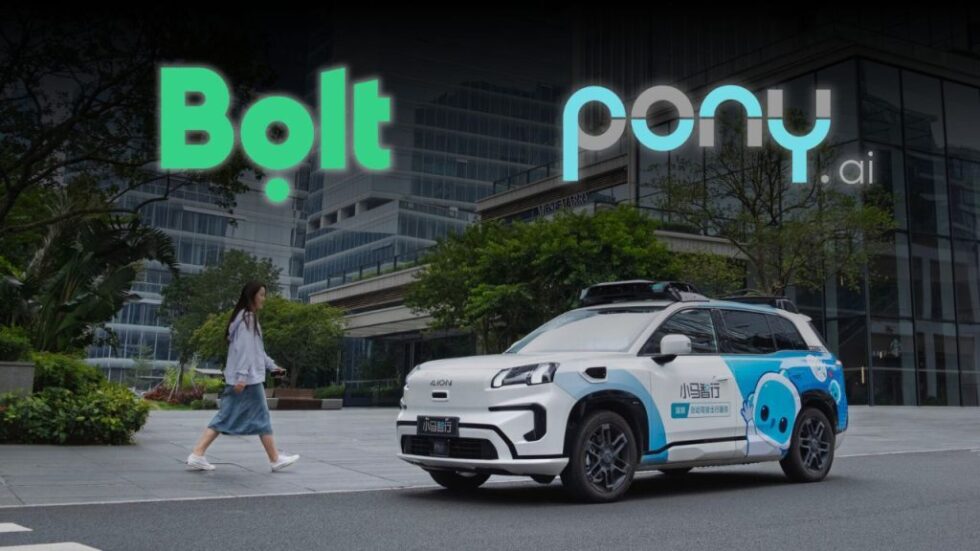
The European mobility sector is poised for its most significant upheaval since the advent of ride-hailing services as the era of fully autonomous vehicles begins. Bolt, the Estonian-based mobility giant, has forged a pivotal alliance with the Chinese specialist Pony.ai to drive this technological leap forward across the continent. The goal is to establish advanced Level 4 autonomy, which permits driverless operation within defined zones, for the first time on a large scale in European cities. This technology promises not only substantial increases in efficiency but also a critical reduction in accidents by eliminating human error from the equation. The partnership enables Bolt to integrate Pony.ai's sophisticated robotaxis directly into its existing ecosystem, making the services available to millions of customers. The launch of this driverless fleet is set to redefine urban transportation standards and will have a profound impact on local infrastructure planning, reports The WP Times citing heise.
The Road Map to 2027: From Testing Phases to Commercial Driverless Operations
The implementation of the robotaxi service follows a cautious yet ambitious multi-stage strategy designed to ensure a smooth and safe market entry while prioritizing compliance with all stringent European regulations. According to Markus Villig, founder and CEO of Bolt, the crucial initial phase of field testing is scheduled to commence as early as 2026, focusing on real-world traffic scenarios. This testing period will primarily involve rigorous safety validation of the autonomous driving software and fine-tuning the user experience to meet European expectations. These extended trials are essential for earning public trust and fulfilling all regulatory requirements well in advance of the full launch. Following the successful completion of the validation process, the launch of commercial, driverless robotaxi services is slated for 2027. Bolt is currently evaluating metropolitan areas across the European region, encompassing both EU member states and non-EU countries, as potential pilot locations.
The introduction of driverless technology is scheduled in clear phases:
| Phase | Start Time | Focus Area |
| Testing Operations (Phase 1) | 2026 | Safety validation, experience design under real conditions |
| Regular Operations | 2027 | Commercial, fully driverless robotaxi service |
This detailed, phase-by-phase approach is necessary to successfully address public concerns regarding the safety of autonomous vehicles.
European Compliance as the Foundation: Addressing GDPR and Regulatory Frameworks
The core challenge of entering the European market extends beyond mere technology; it involves strict adherence to the continent's stringent data protection and safety regulations, which are among the most rigorous globally. Bolt positions itself as an independent European company, granting it an intrinsic, deep understanding of the complex local regulatory landscape. This knowledge is crucial because data sovereignty and the protection of personal information, particularly compliance with the General Data Protection Regulation (GDPR), are critical concerns for autonomous services. The partnership ensures that Pony.ai's technological excellence will be adapted using Bolt's expertise to guarantee full compliance with all EU regulations. Only through this close collaboration can the driverless services meet the high ethical and legal standards of Europe. This capability to efficiently and transparently solve compliance issues will be a decisive competitive advantage over non-European rivals.
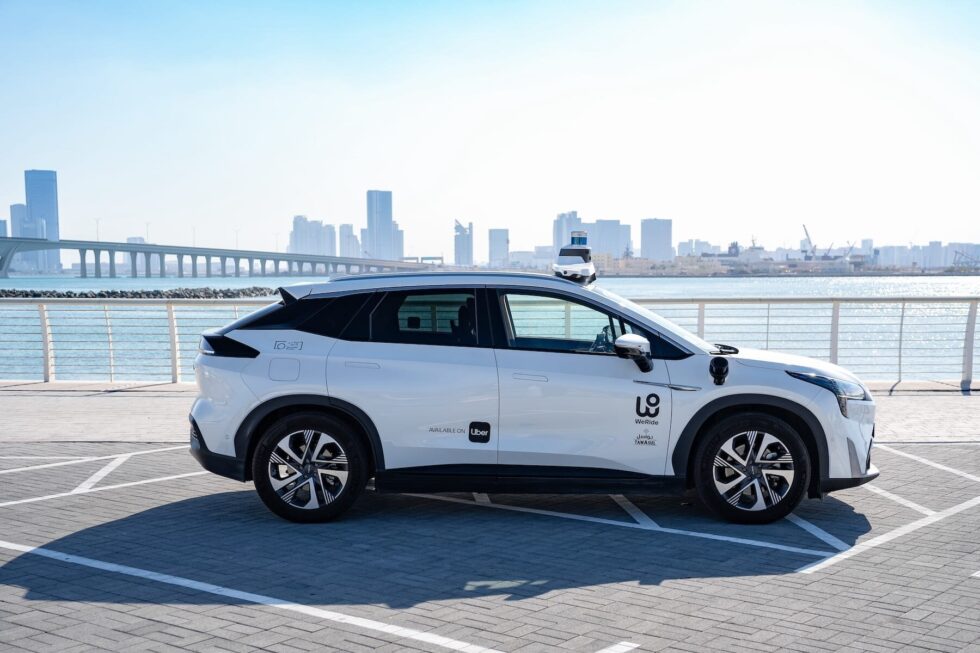
Compliance with European standards is essential for market acceptance of autonomous ride-hailing services and gives Bolt a distinct edge.
Key European Compliance Areas Bolt Must Address:
- Data Protection (GDPR): Ensuring full anonymization of passenger data.
- Cybersecurity: Meeting specific standards to prevent system manipulation.
- Liability Issues: Clear regulation of civil liability in the event of accidents.
- Ethics Guidelines: Adhering to EU guidelines on artificial intelligence.
The ability to meet these regulatory requirements transparently and efficiently will determine Bolt's competitive edge in the European robotaxi race.
The Industrial Axis: Pony.ai and Stellantis’ European Vehicle Platform
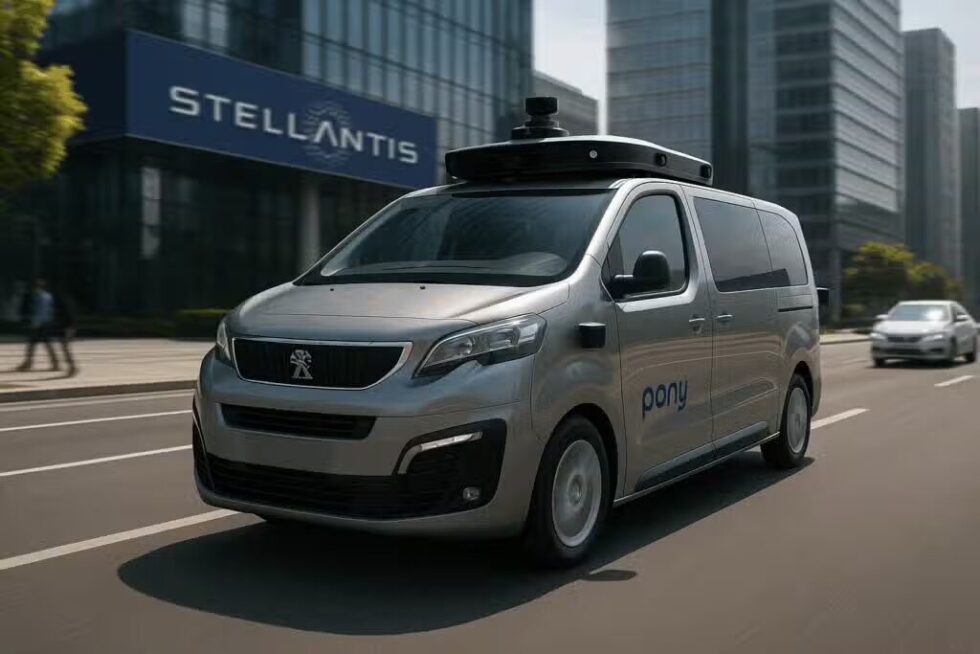
In parallel with the Bolt alliance, Pony.ai is securing another strategic position in the European market through a vital partnership with the multinational automotive group Stellantis. Last October, the two companies signed a non-binding Memorandum of Understanding (MoU) for the joint development of Level 4 vehicles, aimed at establishing the necessary production capacities for the deployment. This cooperation focuses specifically on fully electric, medium-sized vans, which are ideally suited as future robotaxi fleets and autonomous logistics solutions in urban centers. Stellantis intends to use this collaboration to actively accelerate the development and deployment of autonomous solutions in Europe, strengthening its position in the future mobility landscape. This strategic dual approach allows Pony.ai to bring its technology to market via two independent channels: a direct mobility provider (Bolt) and an established vehicle manufacturer (Stellantis). Stellantis's involvement highlights the broad industrial interest in the rapid commercialization of advanced Chinese autonomy software.
The MoU with Stellantis emphasizes the type of vehicles to be used for the European market needs.
Key Pillars of the Pony.ai and Stellantis Cooperation:
- Cooperation Type: Non-binding Memorandum of Understanding (MoU) for joint Level 4 development.
- Technology Level: SAE Level 4 autonomous driving.
- Vehicle Type: Fully electric, medium-sized vans.
- Application: Ideal as robotaxis and logistical solutions in urban traffic.
This partnership secures the provision of the necessary vehicle platforms tailored specifically for the European need for autonomous transportation solutions.
A Foundational Experience from Asia: Operational Strength in Chinese Megacities
Pony.ai's invaluable experience gained from highly complex Asian traffic serves as a crucial competitive advantage for its European market entry, as the technology has already been intensively tested and proven. The company already operates fully driverless robotaxi services in regular use across the Chinese megacities of Beijing, Guangzhou, Shanghai, and Shenzhen. This practical experience in dense and often unpredictable urban environments provides an ideal proving ground for the robustness of the autonomous systems. Pony.ai’s operational fleet currently comprises 961 robotaxis, with the ambitious goal of reaching 1,000 vehicles by the end of the year. The large volumes of driving data generated daily by this fleet are essential for training the Level 4 software and ensuring its continuous improvement. Operating in chaotic metropolitan areas is considered one of the most demanding tests for autonomous systems worldwide.
The experience from operational centers in China is directly transferable to European challenges, minimizing market launch risks.
Key Operational Data of the Pony.ai Fleet:
- Operating Status: Fully driverless regular operation in defined areas.
- Number of Cities: 4 Chinese megacities (Beijing, Guangzhou, Shanghai, Shenzhen).
- Fleet Development: 961 robotaxis currently, targeting 1,000 vehicles by the end of 2025.
This proven technology base allows Bolt to build directly on a mature and intensely tested foundation in Europe.
Competitive Pressure in Germany: Global Players Position Themselves
The move by Bolt and Pony.ai occurs in an extremely competitive environment, as numerous major international tech and automotive players are also planning to launch their robotaxi services in Europe. Germany, in particular, is becoming a central battleground for this technological race due due to its robust infrastructure and clear legal frameworks for autonomous driving. US market leader Waymo, for instance, has announced concrete plans to offer robotaxis in London starting in 2026, marking the direct start of competition in Western Europe. Simultaneously, Lyft is collaborating with China’s Baidu and planning driverless deployments in German cities, which underscores the location's appeal. Furthermore, the US ride-hailing giant Uber is also testing autonomous cars in Germany, leveraging technology from the Chinese software company Momenta. Finally, local market leader Volkswagen is actively preparing its own robotaxi service, scheduled to begin in Hamburg in 2026, highlighting the strong domestic effort.
Key Competitors and Their European Launch Plans:
| Company | Country of Origin | European Partner/Focus | Planned Launch/Location |
| Waymo | USA | Own Technology | 2026 in London |
| Lyft / Baidu | USA/China | Cooperation | From 2026 in Germany |
| Uber / Momenta | USA/China | Momenta Technology | Testing in Germany (Munich) |
| Volkswagen | Germany | Own Development | 2026 in Hamburg |
The strategic partnership between Bolt and Pony.ai is positioning itself as a major player in the global race, aiming to combine Asian pioneering work with European regulatory precision. The planned start of tests in 2026 lays the crucial foundation for transforming the European transport landscape.
Read about the life of Westminster and Pimlico district, London and the world. 24/7 news with fresh and useful updates on culture, business, technology and city life: Bandai Namco Singapore: Moving from Splatoon 3 Maker to Nintendo Helper