
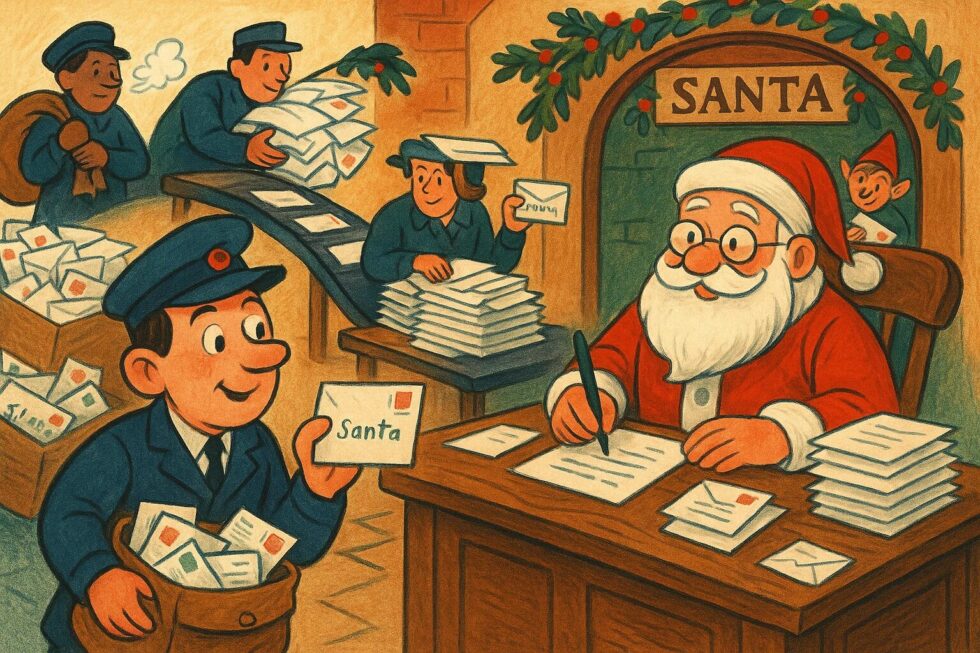
Royal Mail's dedicated service for handling letters to Santa Claus represents one of the most cherished and logistically complex operations undertaken by the postal service each year, demanding meticulous planning and execution across the UK network. This vital tradition ensures that millions of children who carefully craft their wish lists and send them off into the post box receive an official and personalised response, upholding the wonder and magic of the festive season. The scale of this operation is considerable; internal projections for 2025 suggest Royal Mail will process well over 750,000 letters addressed to Santa, reflecting the enduring popularity of this analogue ritual in an increasingly digital world. The crucial question for families every December remains dual: what is the single, correct address for the North Pole, and what is the precise final deadline to guarantee a reply before Christmas morning? Understanding the intricate process, from post box to doormat, is key to navigating the seasonal rush and managing children's expectations accurately. This article provides a detailed breakdown of the 2025 protocols, offering practical advice and necessary facts to ensure the successful delivery and timely return of the correspondence, reports The WP Times
Royal Mail's Dedicated Santa Service and the Official 2025 Address
Royal Mail initiates its special handling process for Santa's mail immediately after the initial Christmas posting dates are announced, distinguishing these uniquely addressed letters from standard correspondence to ensure they receive priority treatment. This centralised system is necessary due to the vast diversity of addresses children invent for Santa, ranging from "The North Pole, The Arctic" to "Santa's Grotto, Everywhere," necessitating highly trained staff to identify and consolidate the special mail. The designated collection point is central to this service, as all letters addressed ambiguously or creatively are efficiently filtered by sorting staff to a single, confidential processing centre, internally often referred to as the "North Pole Annex." The official, simplified address Royal Mail recommends for the 2025 season is widely publicised to help families, though the system is robust enough to handle imaginative variations. Furthermore, Royal Mail ensures that the reply letters carry a festive postmark and often feature exclusive Christmas designs, adding an extra layer of authenticity and excitement for the young recipients when they arrive. This coordinated effort not only manages logistics but also plays a vital cultural role in preserving the fantasy of Santa Claus for millions of children across the United Kingdom.
For a successful, guaranteed reply, the letter must be correctly addressed and contain a return address. Royal Mail’s official details for the 2025 season are confirmed as follows, requiring only standard UK postage. The consistent use of the official postcode is crucial for automated sorting, even if the creative address is used on the envelope front.
| Recipient | Official Address Line 1 | Official Address Line 2 | Postcode | Necessary Postage (UK) |
| Santa/Father Christmas | Santa/Father Christmas | Santa’s Grotto | XM4 5HQ | Standard 1st or 2nd Class |
| Père Noël (Welsh/Gaelic) | (Address variation may apply) | Llwyn yr Eos | LL58 8RT (Wales) | Standard 1st or 2nd Class |
The Critical Deadlines and How Royal Mail Guarantees a Reply
The single most crucial piece of information for parents seeking a confirmed reply from Santa via Royal Mail in 2025 is the official final posting date, which typically falls in the second week of December to allow adequate processing and delivery time. This deadline is strictly enforced because the reply service is managed by a dedicated, temporary team working intensively to sort and respond to the massive influx of letters before the general pre-Christmas postal rush begins. Missing this date significantly increases the risk that the response will only arrive after Christmas Day, potentially causing disappointment, which Royal Mail aims to avoid by clearly communicating the required cut-off. Historical data shows that in previous years, an average of 15% of all received letters were posted after the official final deadline, highlighting the need for early action from families. Royal Mail’s guarantee of a reply hinges on two core factors: the letter must be posted by the deadline, and it must include a full, legible return address on the envelope, enabling the swift delivery of Santa’s response. Once these conditions are met, the postal service employs its special sorting channels to ensure the returned correspondence bypasses standard traffic and maintains the quick turnaround necessary for festive success.
To maximise the chances of a timely reply from Santa, families must strictly adhere to the following recommended schedule for 2025. The schedule provides a practical guideline to ensure that the letter not only reaches the processing hub but is also sorted and dispatched for return before the seasonal postal gridlock begins.
- Recommended Early Posting: Letters should ideally be posted during the last week of November to the first week of December to ensure the quickest response time, capitalising on the low initial postal volume.
- Official Final Deadline: Historically, this date is around Friday, 8th December 2025. (Parents must check the official Royal Mail website for the confirmed final date).
- Reply Delivery Window: Replies are generally delivered between late November and Thursday, 21st December 2025, depending on the speed of the original letter's dispatch.
- Standard Delivery: Letters posted after the deadline will still be processed, but the response cannot be guaranteed to arrive before Christmas Day.
- Postage Necessity: Every letter must bear a valid 1st or 2nd Class stamp, as the reply service covers only the cost of the return letter, not the initial outward postage.
Logistical Challenges: Processing Millions of Letters to Santa
The sheer volume of correspondence directed to Santa Claus presents Royal Mail with unique logistical challenges, transforming certain sorting offices into highly specialised seasonal hubs for several weeks each year. The process requires a temporary deployment of hundreds of extra staff members, many of whom are retired post office workers or seasonal hires brought in specifically to manage the non-standard mail flow and perform the crucial task of ensuring return addresses are present. Official figures from the previous season indicated that approximately 5% of all received letters required manual correction or addition of a return address, demonstrating the reliance on human intervention to maintain the integrity of the reply service. Royal Mail employs advanced automated sorting technology to initially filter the letters, but the imaginative and often illegible addresses used by young children necessitate a final, mandatory manual check by dedicated personnel to ensure no child is missed. This dedicated sorting operation is managed entirely separately from the commercial Christmas delivery network, allowing the wish lists to be processed efficiently without disrupting the delivery of millions of seasonal parcels and cards across the country. Furthermore, internal analyses suggest that the volume of letters peaks dramatically on the Monday following the announcement of the official deadline, requiring maximum staff readiness at that time.
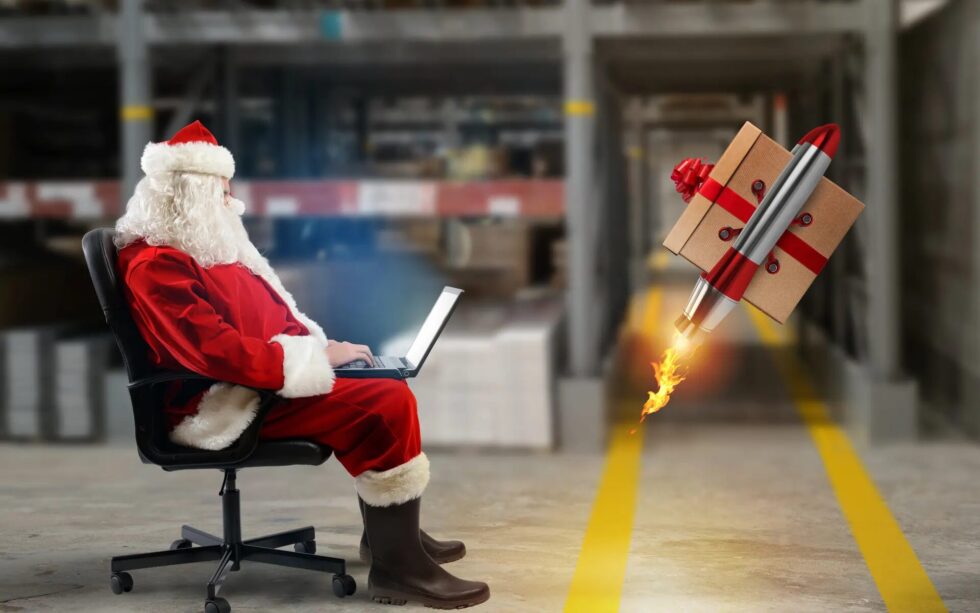
The internal workflow for processing the vast volume of letters is a testament to Royal Mail's commitment to the tradition:
- Initial Sorting: Letters are automatically flagged and routed based on keywords (Santa, Father Christmas, North Pole) to a specific, high-volume processing centre in the UK.
- Manual Review: Dedicated staff manually open and review every envelope to verify the presence of a return address and check for any special contents.
- Reply Generation: The child's name and address are recorded for the reply process, which involves printing personalised letters on festive stationery.
- Quality Control: Each outgoing reply is checked for the correct postmark and to ensure the inclusion of a valid stamp, though the cost of the reply postage is absorbed by Royal Mail.
- Staffing: Temporary teams are deployed exclusively for this task to manage the volume, with special training provided in handling non-standard addresses.
- Security: Any monetary gifts or valuable items discovered within the letters are logged and returned to the parents where an address is available.
The Cost and Value: Ensuring a Response and Avoiding Common Mistakes
The overall cost incurred by Royal Mail for running the Santa letter service is substantial, as the company absorbs the postage costs for the hundreds of thousands of official replies sent out, treating this service as a public good and a key element of their corporate social responsibility. This investment ensures that every child receives a reply without any extra charge to the family beyond the initial stamp required for the outward journey, a policy which has been consistently upheld for decades. A common mistake made by parents, which can severely delay or prevent a reply, is the failure to use a valid stamp on the initial envelope, resulting in the letter being held up as 'insufficiently addressed' and subject to a surcharge. Another frequent error is including small, bulky items inside the envelope, which can cause jamming in the automated sorting machinery and lead to the letter being damaged. Experts in child development often stress that the emotional value of the reply—the confirmation of belief and the sense of being acknowledged—far outweighs the minimal cost of the stamp. Furthermore, parents are encouraged to ensure the letter is sealed securely, especially if the child has used excessive decoration or glitter, as this can easily compromise the envelope's integrity during high-speed sorting.
To simplify the process and guarantee the magical outcome, parents should focus on the following five key points:
- Stamp: Use a standard 1st or 2nd Class UK stamp. Do not rely on sending without postage.
- Return Address: Must be clearly visible and complete (Name, House Number/Name, Street, Town, Postcode).
- Envelope Integrity: Use a standard-sized envelope and avoid bulky inclusions.
- No Money: Never include money; it will be logged and returned where possible, but this complicates the sorting process.
- Value: The reply letter confirms the child's belief and provides a tangible memory of the festive tradition, offering high emotional value for a low financial outlay.
The Royal Mail's annual commitment to the Santa letter service serves as a powerful reminder of the enduring power of tradition and the importance of preserving childhood wonder. By adhering to the precise deadlines and ensuring the correct address and stamp are used, families across the UK can guarantee that this cherished ritual delivers its unique brand of festive magic.
Read about the life of Westminster and Pimlico district, London and the world. 24/7 news with fresh and useful updates on culture, business, technology and city life: How does Royal Mail manage parcel delivery in busy London boroughs