
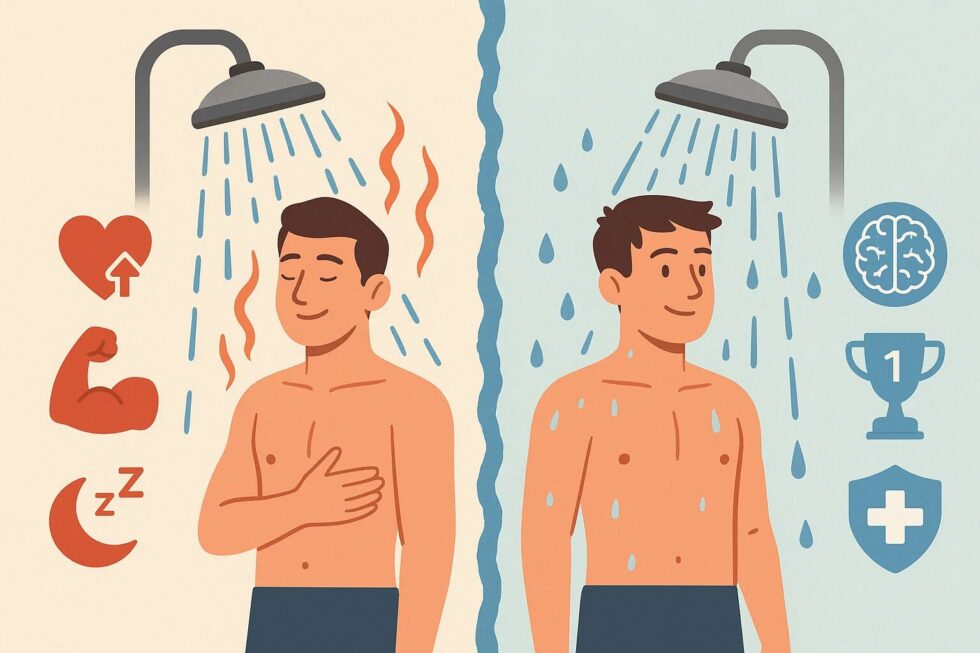
Hot and cold showers represent two distinct forms of hydrotherapy, each triggering unique physiological and psychological responses for daily health and well-being. The choice between soothing warmth and a bracing cold blast is a strategic one, based on whether the goal is deep muscle relaxation or an instant boost of alertness. Modern research supports these traditional methods; for example, a 2019 meta-analysis showed a warm shower 90 minutes before bed can improve sleep onset by approximately 10 minutes. Conversely, cold exposure is linked to sharp focus and improved immune function, reports The WP Times
The Therapeutic Power of Hot Showers: Relaxation and Recovery
Hot showers, typically taken between 98°F and 105°F (37°C–41°C), are primarily used for deep physical relaxation and stress reduction in the evening. The heat causes vasodilation, increasing blood flow to muscles which speeds up the removal of metabolic waste like lactic acid, aiding efficient recovery. Furthermore, the steam acts as a natural decongestant, clearing airways and providing relief for colds or allergies. The warmth stimulates the parasympathetic nervous system, promoting calmness and preparing the mind for a restful sleep cycle.
The key to maximizing the benefit of heat lies in timing and temperature control, ensuring maximum muscle soothing without compromising skin health.
- Primary Benefits:
- Muscle relaxation and tension reduction.
- Increased peripheral blood circulation.
- Nasal and respiratory congestion relief via steam.
- Stimulation of the parasympathetic nervous system for sleep.
The Invigorating Science of Cold Showers: Alertness and Immunity
Cold showers, defined as water below 70°F (21°C), instantly activate the sympathetic nervous system, causing a sudden rush of energy and mental clarity crucial for the morning routine. A significant 2016 study in the Netherlands found that participants who routinely took a short cold shower were 29% less likely to report sick days from work, linking cold exposure to enhanced immune function. Cold hydrotherapy is also renowned for its anti-inflammatory properties, reducing swelling and numbing pain receptors through immediate vasoconstriction. Psychologically, enduring the brief shock of cold water fosters mental toughness and discipline.
Cold water is superior for dermatological health as it preserves the skin’s natural lipid barrier and helps seal hair cuticles, resulting in a shinier appearance.
- Key Physiological Effects:
- Sympathetic nervous system activation (alertness).
- Potential increase in white blood cell count (immunity).
- Vasoconstriction and reduced inflammation.
- Enhanced mood and energy levels.
Contrast Hydrotherapy: The Optimal Strategy for Recovery and Circulation
Contrast hydrotherapy involves rapidly alternating between hot and cold water during a single session, a method highly valued for superior athletic recovery. This rapid cycling forces blood vessels to quickly constrict (cold) and dilate (hot), creating a powerful "pumping" action that dramatically boosts systemic circulation. This effect efficiently flushes out metabolic byproducts from muscle tissues, making it an ideal strategy for accelerating post-exercise recovery beyond single-temperature methods. The alternating temperature method is also effective in managing chronic pain and stiffness due to its potent anti-inflammatory impact.
A typical contrast shower involves cycling 3-4 minutes of hot water with 30-60 seconds of cold water, repeated three to five times, always ending on cold.
- Application Protocol (Recommended):
- Start with 3-4 minutes of hot water.
- Switch to 30–60 seconds of cold water.
- Repeat the cycle 3-5 times.
- Always conclude the session with a cold exposure.
Dermatological and Timing Considerations for Your Daily Routine
Shower temperature significantly impacts skin and hair health: very hot water strips the skin’s moisture barrier, leading to dryness, while cold water seals pores and hair cuticles, locking in moisture and shine. Dermatologists often recommend finishing any shower with a brief, cool rinse for maximum skin and hair benefits. Timing is also critical: a warm shower is beneficial in the evening, 90 minutes before sleep, to aid cooling, while the invigorating cold shower is best utilized immediately upon waking for maximum alertness and nervous system activation.
Optimal shower temperature and timing should be personalized based on individual health goals, whether seeking muscle recovery or relaxation.
| Physiological Goal | Recommended Temperature | Ideal Timing | Key Benefit |
| Deep Sleep & Relaxation | Warm (98°F – 102°F) | 90 minutes before bedtime | Accelerates core body cooling |
| Alertness & Focus | Cold (60°F – 70°F) | Immediately upon waking (morning) | Stimulates sympathetic nervous system |
| Post-Workout Recovery | Contrast (Hot/Cold Cycle) | Immediately post-exercise | Maximizes toxin clearance and reduces inflammation |
Selecting the ideal shower temperature is a choice between activation and relaxation, deeply impacting mood, muscle recovery, and skin health. By understanding the specific physiological responses, individuals can strategically use thermal exposure as a powerful tool for wellness.
Read about the life of Westminster and Pimlico district, London and the world. 24/7 news with fresh and useful updates on culture, business, technology and city life: Which 2026 Funko Pop Christmas exclusives should UK collectors buy right now