
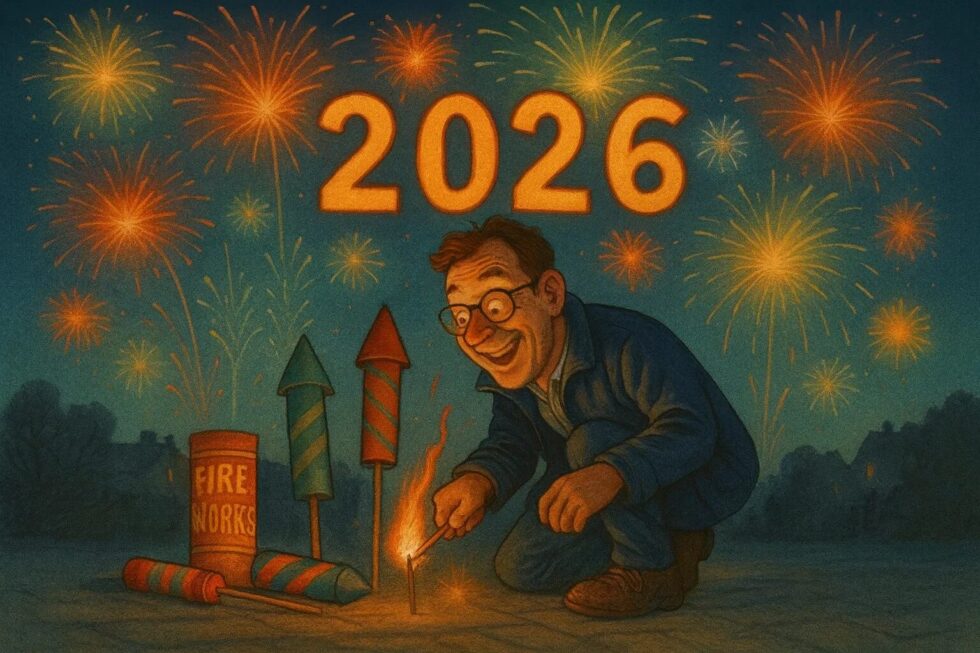
Fireworks are an integral part of festive celebrations in London, particularly during the New Year and on Guy Fawkes Night (Bonfire Night), but the rules governing the private setting off of rockets and sparklers are strictly controlled by law. The Greater London Authority (GLA) and various London Boroughs prioritize public safety, animal welfare, and minimizing noise pollution, which results in significant restrictions outside of officially sanctioned and professionally managed displays. Understanding the specific regulations set by the Metropolitan Police and local councils is crucial for citizens who wish to enjoy the spectacle legally, avoiding fines or causing harm. Compliance is rigorously enforced, particularly near dense residential areas, hospitals, and parks. According to the London Fire Brigade (LFB) Safety Report 2024, firework-related incidents decreased by 11% over the last three years due to clearer public awareness campaigns and stricter local controls, reports The WP Times
The Official Timeframes: When Are Private Fireworks Permitted
Setting off fireworks by private individuals in London is generally confined to specific, legally defined timeframes linked to national and cultural celebrations. The primary occasions are Bonfire Night (November 5th) and New Year's Eve (December 31st). Standard UK law allows fireworks to be set off between 7:00 AM and 11:00 PM on most days, but specific extensions apply on these key dates. On Bonfire Night, the deadline is extended until 12:00 AM (midnight), and on New Year's Eve, the allowance is extended until 1:00 AM on January 1st. It is critical to note that setting off fireworks outside these legally permitted hours constitutes a breach of the Fireworks Regulations 2004 and carries substantial fines (up to £5,000 or six months in prison). The Police and local councils often conduct patrols during the peak periods to ensure compliance, emphasizing the need to respect quiet hours, especially in highly populated urban areas.
To enjoy the spectacle legally, individuals must strictly adhere to the following nationally and locally stipulated timeframes.
- Permitted Timeframes for Private Fireworks in London (Standard UK Regulation):
- Standard Days: 7:00 AM to 11:00 PM.
- Bonfire Night (November 5th): Extension until 12:00 AM (midnight).
- New Year's Eve (December 31st): Extension until 1:00 AM on January 1st.
- Diwali and Chinese New Year: Extensions often apply until 1:00 AM on the day of the celebration (check local council for exact dates).
- Note: Setting off fireworks outside these hours requires specific licence permission from the local authority.
Exclusion Zones and Safety Distances: Where is Setting Off Fireworks Prohibited
In addition to time restrictions, London enforces strict geographical prohibitions and safety distance requirements, crucial for protecting property and public safety in densely built environments. It is strictly prohibited to set off fireworks in immediate proximity to certain sensitive locations, regardless of the permitted time window. These exclusion zones include public parks and open spaces (where local by-laws often impose blanket bans), areas near hospitals, nursing homes, and places of worship, and particularly near petrol stations or where flammable materials are stored. Furthermore, setting off fireworks in the street or on private roads is generally illegal. Research published by the Royal Society for the Prevention of Accidents (RoSPA) indicates that the majority of firework-related injuries and property damage result from failure to maintain the recommended safety distances, which should be clearly marked on Category F2 and F3 fireworks.
London Boroughs often implement specific temporary bans in highly congested areas during major holidays to manage crowd control and mitigate risk.
- Mandatory Exclusion Zones and Distance Rules in London:
- Public Land: Absolute prohibition in almost all Royal Parks, local council parks, and open green spaces (check specific council by-laws).
- Sensitive Structures: Maintain a safe distance (as specified by the firework label, usually 8–25 meters) from houses, hospitals, care homes, and stables/animal shelters.
- Crowded Areas (Temporary Bans): Temporary exclusion zones are frequently established during New Year's Eve around major viewing points like the South Bank or near the official GLA display area.
- Roads and Public Highways: Strictly prohibited to set off fireworks in the street or on private roads used for public access.
- Category F3 Fireworks: Must be set off at least 25 meters from the public.
London's Spectacles: Official Displays and Seeking Safe Alternatives
While private fireworks are limited, London is renowned for its large, professionally managed displays, which are the safest and most spectacular way to enjoy pyrotechnics. The most famous is the official New Year's Eve display over the River Thames, organized by the GLA, which attracts hundreds of thousands of spectators and requires a ticket for viewing. For Bonfire Night, numerous local councils and charities host ticketed events in large parks (e.g., in Battersea Park, Alexandra Palace) that strictly adhere to safety standards. For individuals determined to set off their own fireworks legally, the best alternative is often a private garden that can safely accommodate the necessary safety distance (minimum 8 meters for Category F2). It is strongly advised to check the website of your specific London Borough Council (e.g., Westminster, Camden, Richmond) for localized by-laws, as some councils impose a total ban on fireworks in all public spaces. In cases of drought or high wind, a total prohibition on private fireworks can be issued by the Fire Brigade.
Individuals seeking to launch fireworks safely and legally should prioritize private spaces that fully comply with safety distance requirements, away from crowds.
- Key Information Sources and Safe Alternatives in London:
- London Fire Brigade (LFB): Check for up-to-date safety warnings and any potential general bans (e.g., due to drought).
- Local Borough Council Websites: Essential for verifying specific by-laws and bans on public land in areas like Richmond or Hackney.
- Official Displays: The safest option is attending large, organized events (e.g., Alexandra Palace Bonfire Night event, GLA New Year's Eve display).
- Private Garden Use: Only permitted if the garden can accommodate the required safe firing distance (e.g., 8m for many consumer boxes) from property and neighbors.
Safety Guidelines and Legal Categories for Pyrotechnics
The legal framework for fireworks in the UK is governed by the Fireworks Regulations 2004 and the Pyrotechnic Articles (Safety) Regulations 2015. Consumer fireworks are categorized from F1 to F3. Private citizens are generally only permitted to purchase and set off Category F2 (low hazard, typically garden fireworks) and Category F3 (medium hazard, larger rockets/cakes) fireworks, provided they meet the age requirement of 18. Category F4 (high hazard) is strictly for professionals only. To prevent accidents, fireworks must be purchased solely from licensed retailers, and the manufacturer's safety instructions must be followed precisely. Proper disposal of used fireworks and duds (soaking them in water after cooling before placing them in the bin) is a vital safety requirement. According to the Health and Safety Executive (HSE) Data 2024, the majority of severe firework injuries occur due to misuse, particularly the re-lighting of 'duds' (failed ignition).
To ensure safety, users must adhere to legal guidelines and the following critical practical safety advice.
- Essential Safety Tips for Private Fireworks:
- Age Limit: Do not sell or give fireworks to anyone under 18.
- Storage: Store fireworks safely in a closed metal box in a cool, dry place.
- Duds: Never attempt to re-light a firework that failed to ignite (a 'dud'). Pour water over it and leave it.
- Distance: Strictly enforce the minimum safety distance indicated on the label (e.g., 8m or 25m).
- Pets: Keep all pets indoors and secure, as the noise can cause severe distress.
Setting off fireworks in London is a cherished tradition, but it is heavily regulated by strict time and spatial restrictions to prioritize public safety. Citizens must be fully aware of the official time windows around New Year's and Bonfire Night, the absolute prohibitions near parks and hospitals, and the vital safety distances required by law. Only by strictly adhering to these rules can the spectacle be enjoyed safely and legally.
Read about the life of Westminster and Pimlico district, London and the world. 24/7 news with fresh and useful updates on culture, business, technology and city life: New Recombinant Mpox Strain Detected in England After Traveller Returns from Asia