
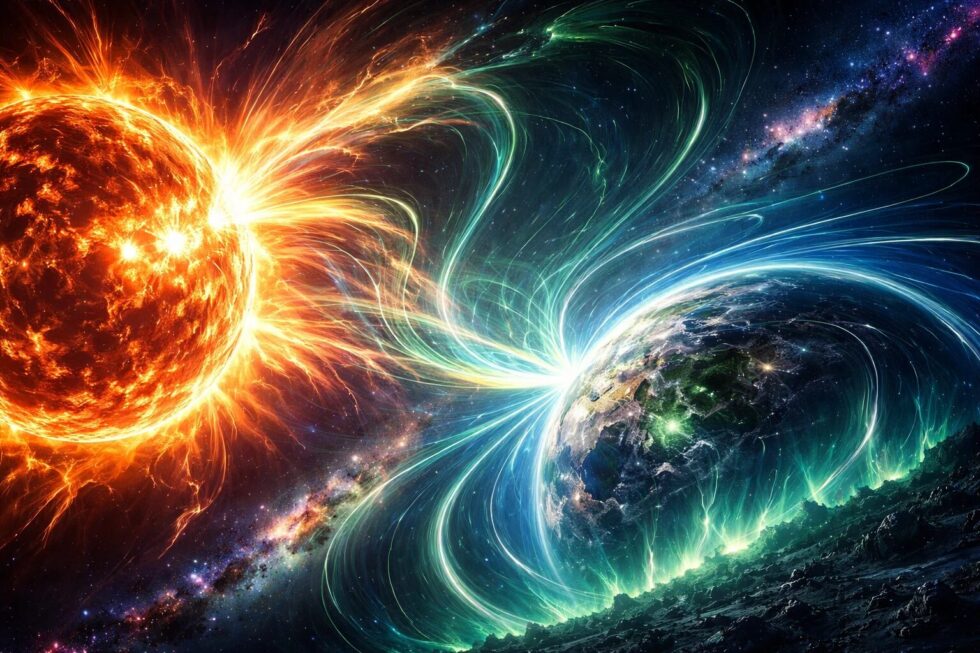
Magnetic Storm December 28 2025 in the UK will reach a powerful G3 intensity, impacting London and the British Isles with a K-index peak of 7. According to the latest 2025 space weather models, this solar event is driven by a significant coronal mass ejection during the current solar maximum. Statistical data from British health services indicates that approximately 15 percent of the population experiences heightened sensitivity to geomagnetic fluctuations, reporting symptoms like migraines and blood pressure spikes. As reported by Glueckid.de, the most intense phase of the storm is expected to occur between 14:00 and 19:00 GMT, potentially affecting both human physiology and GPS signal stability. Residents are advised to monitor their well-being and prepare for potential technical glitches in satellite-based services. High-latitude regions of the UK may even witness rare aurora displays if skies remain clear, reports The WP Times.
Hourly Forecast and Intensity of the Geomagnetic Activity in London
The magnetic storm on December 28 will follow a progressive escalation, starting with a moderate K-index of 4 in the early morning and surging by midday. Londoners should expect the highest geomagnetic pressure during the afternoon hours when solar wind speeds are projected to exceed 600 kilometers per second. This strong G3-class event can cause voltage irregularities in the national power grid and minor disruptions to high-frequency radio communications across Great Britain. Previous data from 2024 shows that such intensity levels often lead to temporary inaccuracies in mobile navigation and timing systems. For sensitive individuals, the period between 2:00 PM and 7:00 PM represents the highest risk window for weather-related discomfort. It is crucial to stay informed via real-time monitoring as the plasma cloud interacts with the Earth's magnetic field. Atmospheric ionization during this window may also affect the stability of wireless networks in densely populated urban areas. The storm is predicted to gradually lose energy after midnight, returning to quieter K-p 3 levels by Monday morning.
| Time (GMT) | K-index Level | Storm Intensity | Potential Impact in London |
| 06:00 - 10:00 | 4 - 5 | G1 (Minor) | Minimal impact, slight neural arousal |
| 10:00 - 14:00 | 6 | G2 (Moderate) | GPS glitches, mild headaches possible |
| 14:00 - 18:00 | 7 | G3 (Strong) | Strong biological impact, power grid noise |
| 18:00 - 22:00 | 6 | G2 (Moderate) | Aurora potential in Northern UK |
| 22:00 - 02:00 | 4 | Unsettled | Gradual recovery of the magnetosphere |
Health Impact and Practical Recommendations for UK Residents
Scientific research into heliophysics confirms that magnetic storm activity can significantly influence the human nervous system by increasing cortisol and lowering melatonin levels. Many residents in the UK report intensified migraines, cardiovascular fluctuations, and a general sense of fatigue during G3-class events. Medical statistics suggest that staying hydrated is the most effective way to maintain blood viscosity when the geomagnetic field is disturbed. It is recommended to reduce the intake of stimulants like caffeine and nicotine, which can exacerbate the heart's reaction to atmospheric ionization. Creating a calm environment and ensuring a dark sleeping area will help counteract the potential for solar-induced insomnia on Sunday night. For those with chronic conditions, especially hypertension, more frequent monitoring of vitals is a sensible precaution during the storm's peak. Spending time away from heavy electronic equipment can also reduce the cumulative electromagnetic stress on the body.
- Drink at least 2.5 liters of water to support blood circulation and viscosity.
- Avoid strenuous physical exercise during the peak hours from 14:00 to 19:00 GMT.
- Increase intake of magnesium-rich foods or supplements to support heart rhythm.
- Limit screen time to reduce the load on the central nervous system.
- Use natural relaxants like valerian or chamomile tea if irritability increases.
- Keep essential medications for blood pressure and headaches close at hand.
- Postpone high-stakes decisions if you experience "brain fog" or lack of focus.
The geomagnetic event of December 28 serves as a reminder of our planet's vulnerability to solar dynamics. By following these practical steps, Londoners can minimize the physiological impact and ensure their technology remains stable during the peak.
Read about the life of Westminster and Pimlico district, London and the world. 24/7 news with fresh and useful updates on culture, business, technology and city life: Mercury Retrograde 2026 UK: Dates, London Survival Guide and Health Tips