
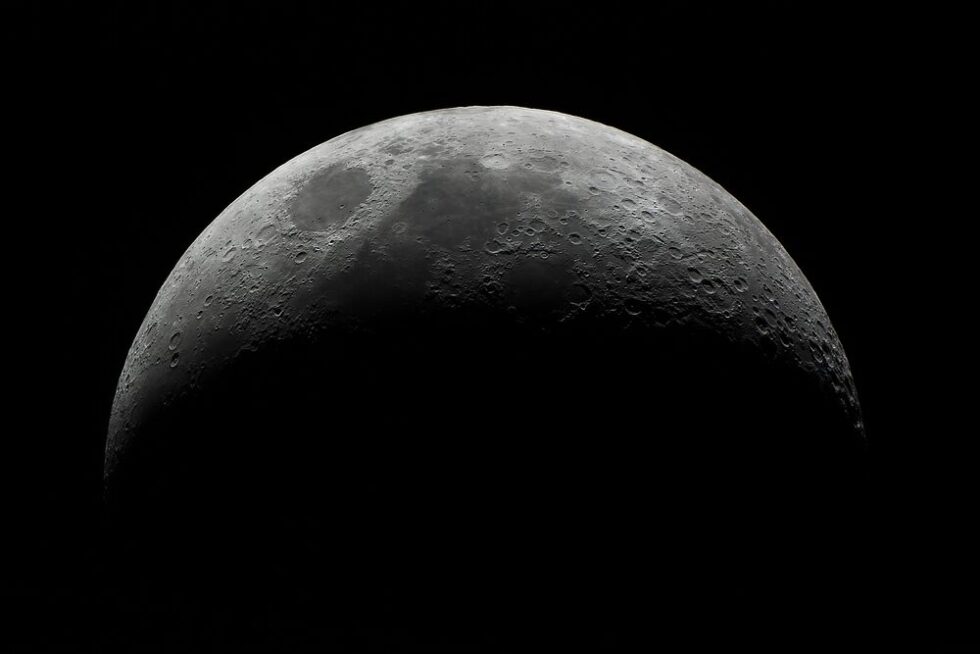
Black Moon 2026 refers to a rare celestial event that will occur in the United Kingdom on May 16, 2026. This specific phenomenon is a seasonal Black Moon, which is the third new moon in a season with four, a cycle that happens roughly every 33 months. According to astronomical data for 2025, the moon will be 100 percent invisible, offering a unique window for deep-sky observation. For the British public, this event is more than an astronomical curiosity, as it often correlates with subtle shifts in biological rhythms and emotional states. The peak of the new moon phase will occur during late evening, precisely at 20:56 BST. Many observers in London and across the UK use this time for internal reflection and psychological resets, reports The WP Times.
Exact Dates and Times for the Black Moon 2026 in the UK
The primary astronomical alignment for the Black Moon in the United Kingdom is set for May 16, 2026. At 20:56 BST, the moon will reach its exact point of conjunction with the sun, rendering it completely dark against the night sky. Unlike a standard new moon, the seasonal Black Moon carries a rare status, appearing only seven times every 19 years. This total lack of lunar light creates the perfect environment for stargazing in rural areas such as the Peak District or Scottish Highlands. Historically, new moon phases have been documented to affect tidal movements and, according to some studies, human sleep patterns. Preparation for this event involves finding a location away from urban light pollution to witness the star-dense sky. It is a period often associated with low energy and the start of new personal cycles. Following the peak, the energetic influence remains notable for approximately 48 hours.
- May 16, 2026: Date of the seasonal Black Moon across the UK.
- 20:56 BST: Precise peak of the astronomical new moon phase.
- Stargazing: Ideal time for observing distant galaxies and nebulae.
- Frequency: Occurs approximately every 2.7 to 3 years.
- Duration: Impact felt most strongly 24 hours before and after the peak.
- Observation: Best seen in dark sky reserves like Exmoor or Northumberland.
Physical Symptoms and Health Impacts of the Black Moon
Human health and wellbeing during the Black Moon 2026 can be influenced by the sudden shift in light and gravitational pull. Many people in the UK report symptoms such as persistent fatigue, a heavy sensation in the body, and disrupted sleep. According to health statistics from 2024, nearly 15 percent of the population is sensitive to lunar phase changes, experiencing shifts in melatonin production. The dark moon phase is often linked to a natural detoxification of the nervous system, leading to a need for more rest. Some individuals also note increased emotional sensitivity or vivid dreams during the nights surrounding May 16. It is a time when the body naturally shifts from an active state to a more restorative mode. Chronic fatigue may be temporarily exacerbated, making it important to manage workloads during this window. Understanding these biological responses helps in navigating the lunar cycle without undue stress.
| Potential Symptom | Impact Level | Recommended Action |
| Deep Fatigue | High | Increase sleep duration and rest. |
| Insomnia | Medium | Use magnesium and relaxation techniques. |
| Headaches | Low | Stay hydrated and reduce screen time. |
| Emotional Fog | Medium | Practice mindfulness or journaling. |
| Low Appetite | Low | Eat light, nutrient-dense meals. |
| High Intuition | Medium | Focus on creative or reflective tasks. |
Practical Advice for Navigating the May 2026 Lunar Phase
To maintain health and productivity during the Black Moon 2026, experts suggest adopting a grounding routine. Since this phase represents an energetic low point, it is best to avoid launching stressful new projects or making impulsive financial decisions. In major UK cities, the fast-paced lifestyle can conflict with the body's natural urge to slow down during a dark moon. Prioritize hydration and the consumption of grounding foods like root vegetables and warm soups to stabilize the system. Psychological resilience can be supported by limiting social commitments and focusing on personal space. Stargazing can act as a meditative practice, helping to calm the mind and reduce the anxiety associated with the lunar shift. Many find that clearing their immediate environment of clutter helps to mirror the internal clearing process of the Black Moon. By aligning with the natural cycle, you can use this darkness to build a foundation for the month ahead.
Nutritional Support for the Dark Moon
The body often requires more minerals during new moon phases to support the adrenal glands and nervous system. Incorporating herbal teas such as valerian or chamomile can help mitigate the sleep disturbances often reported in Britain during lunar events. Avoiding stimulants like heavy caffeine or refined sugar is crucial on May 16 to prevent the crash associated with Black Moon lethargy.
Mental Wellbeing and Stargazing
The lack of moonlight provides a unique opportunity for mental grounding through the observation of the cosmos. Astronomers in the UK recommend using the nights around May 16 for deep-sky photography or simply observing the Milky Way. This connection with the vastness of space can help put personal stressors into perspective and foster a sense of calm.
The Black Moon 2026 in the UK is a significant moment for both astronomy and personal health management. By recognizing the date of May 16 and preparing for potential symptoms like fatigue, individuals can turn this rare event into a period of restorative growth.
Read about the life of Westminster and Pimlico district, London and the world. 24/7 news with fresh and useful updates on culture, business, technology and city life: Mercury Retrograde 2026 UK: Dates, London Survival Guide and Health Tips