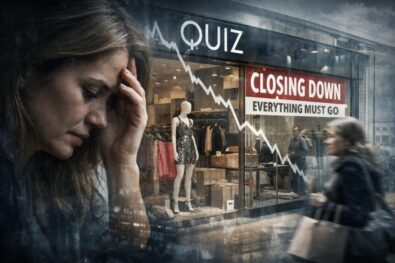
Britain’s retail sector was thrown into fresh turmoil on Tuesday, 6 January 2026, as Claire’s and The Original Factory Shop formally entered administration, putting around 2,500 jobs across 294 stores in the UK and Ireland at immediate risk and signalling a sharp escalation in the high-street downturn early in the year.
The collapse comes just four months after Claire’s was last rescued from insolvency following the bankruptcy of its US parent, highlighting how rapidly trading conditions for physical retailers have deteriorated amid weak consumer spending, rising payroll taxes and sustained cost inflation. The WP Times reports this, citing filings by the companies’ administrators and statements from owner Modella Capital.
The two chains, both owned by private equity group Modella Capital, operate a combined 294 stores — 154 Claire’s outlets employing 1,355 staff and 140 Factory Shop locations with 1,220 employees. Administrators have been appointed in the UK and Ireland to seek buyers or restructuring deals, but Modella has warned that neither business currently has a viable path to profitability under existing cost and demand conditions.
Claire’s, which targets the tween and teenage accessories market, had already been struggling before Modella acquired it in September, following the collapse of its US parent company. That rescue deal led to the closure of 145 stores and around 1,000 job losses, leaving a smaller but still highly leveraged chain exposed to rising costs and weak Christmas trading. The Original Factory Shop, a discount retailer selling household goods, electronics and beauty products, has also been under pressure as price-sensitive consumers continue to cut back on discretionary spending.
In a statement accompanying the insolvency filing, Modella said that “extremely weak consumer confidence, continued cost inflation and adverse fiscal conditions” had left both businesses “highly vulnerable”, particularly after what it described as “alarming” Christmas sales performance. The group added that it had made “last-ditch attempts” to stabilise trading, but that the numbers no longer stacked up.
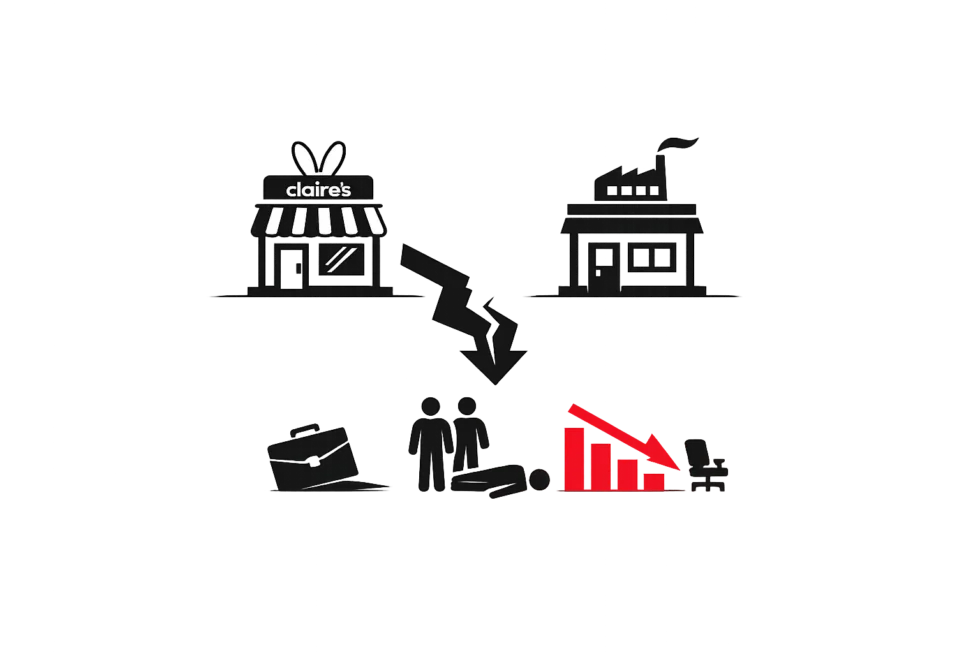
The collapses come against a backdrop of sustained stress on Britain’s retail economy. Footfall on many high streets remains well below pre-pandemic levels, while operating costs have risen sharply over the past 18 months. Employers are facing higher National Insurance contributions, an increased minimum wage, elevated energy prices and rents that have proved slow to adjust despite falling retail demand.
Government fiscal measures have become an increasingly prominent factor in the sector’s struggles. Retailers and hospitality operators have repeatedly warned that recent changes to payroll taxes and employment costs are squeezing margins at a time when shoppers, under pressure from inflation and higher mortgage rates, are spending less. Modella explicitly pointed to these pressures when explaining why both chains could no longer be sustained.
The Treasury has defended its policies as necessary to stabilise the public finances and support household incomes, but business groups argue that the cumulative impact on labour-intensive sectors such as retail is now feeding directly into closures and job losses. A London pub owner, James Fitzgerald of the Thatched House in Hammersmith, said his costs had risen by £22,000 in a single year, largely due to National Insurance increases — a pattern echoed across the high street.
The failures of Claire’s and The Original Factory Shop are not isolated. Over the past two years, a growing list of mid-sized retail chains has either entered administration, closed large numbers of stores or retreated to online-only models. The result has been a steady hollowing-out of town centres, particularly in smaller cities and coastal and post-industrial areas where national chains form a large part of the local economy.
Modella Capital itself has become a significant force in this environment, acquiring distressed high-street brands including WH Smith’s high-street division and Hobbycraft in recent years. While private equity owners often aim to stabilise and relaunch struggling chains, the rapid return of Claire’s to administration highlights how little room for error now exists in physical retail.
For staff, landlords and local councils, the next phase will be crucial. Administrators will attempt to keep as many stores trading as possible while seeking buyers, but in the current market, interest in large bricks-and-mortar networks has been thin. Any store closures would further reduce footfall for neighbouring businesses, compounding the cycle of decline.
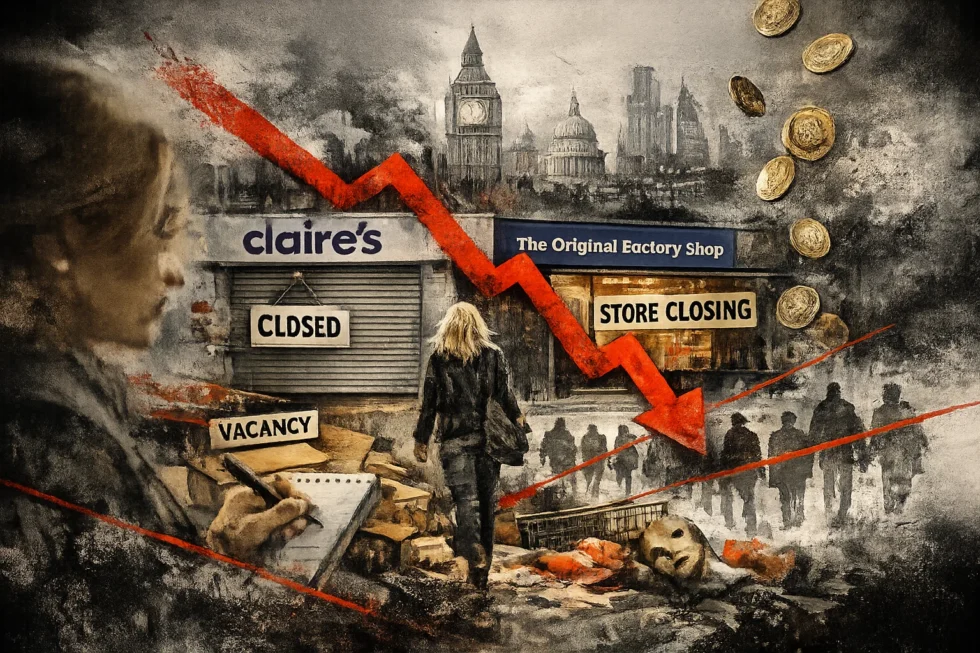
As 2026 begins, the fate of two once-familiar high-street names has become another marker of how Britain’s retail landscape is being reshaped — not by a single shock, but by the cumulative weight of weak demand, rising costs and a fiscal environment that many in the sector now say they cannot survive.
Read about the life of Westminster and Pimlico district, London and the world. 24/7 news with fresh and useful updates on culture, business, technology and city life: Why has UK inflation fallen to 3.2% and is the Bank of England now forced to cut rates