
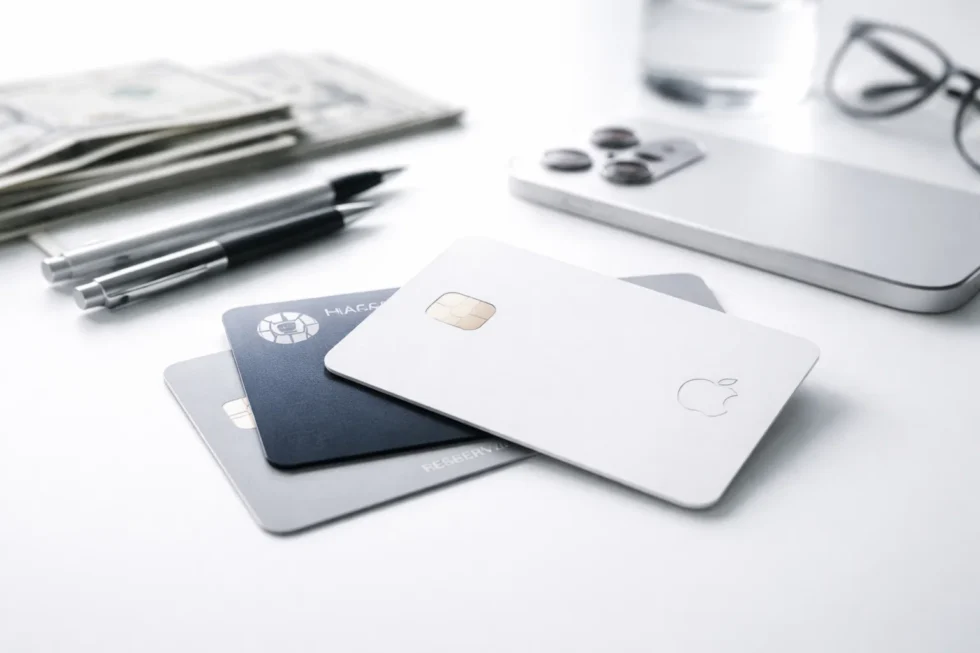
Credit cards are at the centre of a major US banking realignment after JPMorgan Chase agreed to replace Goldman Sachs as the issuing bank for Apple Card, transferring about $20bn in customer credit-card debt to the world’s largest consumer lender under a deal announced on 7 January 2026, The WP Times reports, citing bank filings, earnings statements and regulatory disclosures.
The agreement, which still requires approval from US regulators, sets out a two-year migration of millions of Apple Card accounts from Goldman to JPMorgan. While Apple will continue to run the card inside Apple Wallet and Apple Pay, the bank that provides the lending capital, collects interest and carries the risk of non-payment will change — a shift that affects how the debt is funded, how losses are covered and how the programme is supervised.
The transaction will move one of the biggest technology-linked credit-card portfolios in the world between banks at a time when rising interest rates and higher default levels are putting pressure on consumer-lending models. Goldman is selling the portfolio at a discount of more than $1bn, according to people familiar with the deal, while JPMorgan is setting aside $2.2bn in new credit-loss provisions to cover potential future defaults. Both banks said the handover will be reflected in their fourth-quarter 2025 earnings next week, even though the operational transfer of accounts will take place gradually through 2026 and 2027.
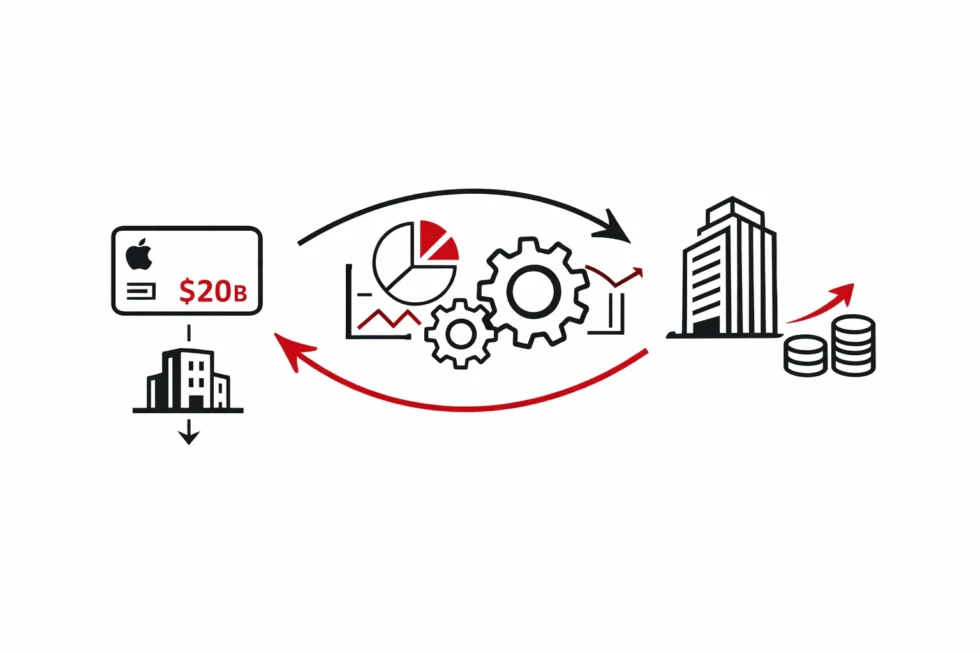
What the Apple Card is
The Apple Card was launched in 2019 as a digital-first credit card built to work entirely inside Apple’s ecosystem. Unlike traditional cards, it does not rely on paper statements or a separate banking app: customers apply, spend, track transactions and repay balances directly through their iPhone using Apple Wallet and Apple Pay.
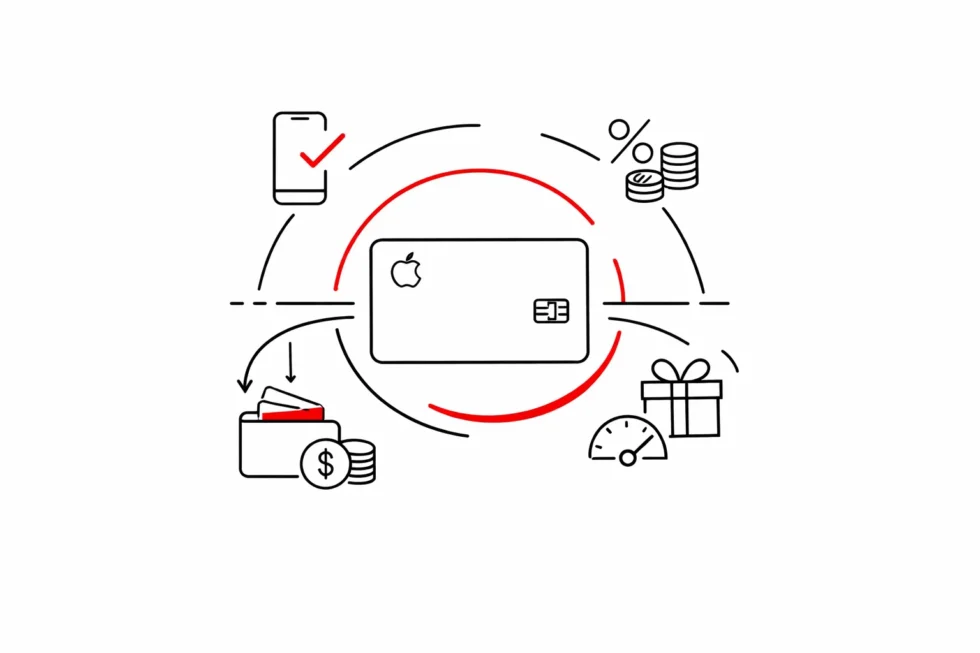
Behind the Apple-designed interface sits a fully regulated US bank that provides the actual lending. That bank supplies the money, sets interest rates, manages credit risk and complies with financial regulation. Until now, that role has been performed by Goldman Sachs. Under the current structure, responsibilities are split between Apple and Goldman as follows:
| Function | Who controls it |
|---|---|
| Application process and digital interface | Apple |
| Transaction display and spending insights | Apple |
| Apple Pay integration | Apple |
| Credit limits and interest rates | Goldman Sachs |
| Loan balances and debt accounting | Goldman Sachs |
| Billing, repayments and collections | Goldman Sachs |
Customers therefore have a direct relationship with Goldman Sachs as the lender, even though all activity is presented inside Apple’s software. When a user carries a balance on their Apple Card, that debt appears on Goldman’s balance sheet, not Apple’s.
Once the transfer is completed, JPMorgan Chase will assume Goldman’s role. It will become the legal lender behind every Apple Card account, meaning it will own the loans, receive interest payments and absorb any losses if customers fail to repay what they owe, while Apple continues to control the digital experience.
Why Goldman is exiting the business
Goldman Sachs entered consumer banking in the late 2010s as part of a strategy to diversify away from its traditional dependence on investment banking, trading and asset management. Through its Marcus brand and the Apple Card partnership, the bank attempted to build a mass-market lending platform serving millions of retail customers.
The Apple Card, launched in 2019, became Goldman’s largest consumer-facing product. However, filings and analyst reports show that the portfolio has developed higher delinquency rates than many comparable credit-card programmes, meaning a larger share of customers failed to make repayments on time. That forced Goldman to hold significantly higher provisions to cover potential loan losses, reducing the profitability of the business. In announcing the transfer to JPMorgan, Goldman said the transaction would have the following financial effects:
| Item | Impact |
|---|---|
| Revenue reduction | $2.26bn from loan write-downs and contract terminations |
| Release of loss reserves | $2.48bn previously set aside to cover bad debts |
| One-off earnings impact | +$0.46 per share |
The accounting treatment reflects Goldman writing down the value of the Apple Card loans and simultaneously releasing reserves that are no longer required once the portfolio is transferred.
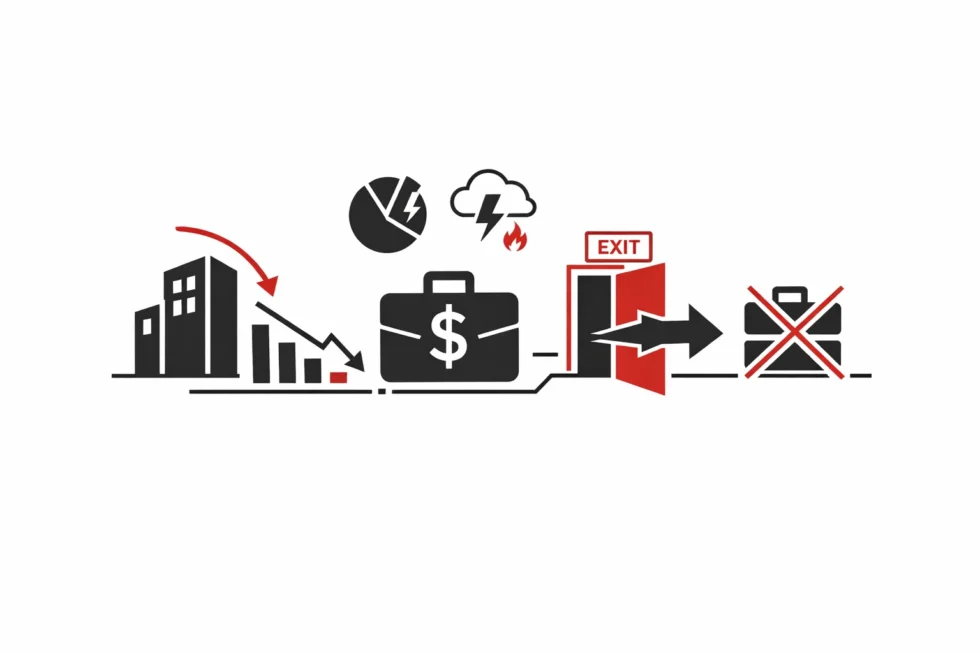
Independent analysts estimate that Goldman’s wider consumer-lending strategy — including credit cards, personal loans and retail deposits — has produced around $7bn in pre-tax losses since 2020, prompting the bank to refocus on its core institutional and corporate businesses.
What JPMorgan is taking on
JPMorgan Chase confirmed on 7 January 2026 that it will take over approximately $20bn in outstanding Apple Card balances from Goldman Sachs, adding one of the largest co-branded credit-card portfolios in the US to its balance sheet.
According to JPMorgan’s third-quarter 2025 earnings report, the bank’s total US credit-card loan book stood at $235bn before the deal. With the Apple Card portfolio added, JPMorgan said its total card balances will rise to about $255bn, placing it marginally ahead of Capital One, which reported $254bn in credit-card loans at the end of September.
In a statement issued alongside the deal, JPMorgan said it will record an additional $2.2bn in credit-loss provisions in its fourth-quarter accounts to reflect the risk associated with the Apple Card book. Those provisions are designed to cover potential defaults from cardholders who may fail to repay their balances. Allison Beer, JPMorgan’s chief executive for card and connected commerce, said the bank saw the Apple partnership as a way to expand its consumer payments footprint, adding that Apple is “a globally recognised brand with a strong base of digitally active customers”.
In practical terms, the transaction gives JPMorgan access to millions of Apple Card holders, many of whom use Apple Pay as their primary payment method. That customer base is expected to be integrated into JPMorgan’s wider consumer-banking platform once the migration of accounts is completed over the next two years.
What changes for Apple Card customers
The transfer of the Apple Card portfolio from Goldman Sachs to JPMorgan will not lead to immediate changes for cardholders, according to statements from both banks issued on 7 January 2026. During the two-year transition period, Goldman Sachs will continue to act as the servicing bank. That means customer accounts, payments and support will remain under Goldman’s systems while the loan book is gradually migrated to JPMorgan. During this phase:
- Apple Wallet and Apple Pay will continue to display transactions and balances as before
- Statements, rewards and payment processing will not change
- Customer support and billing will continue to be handled by Goldman
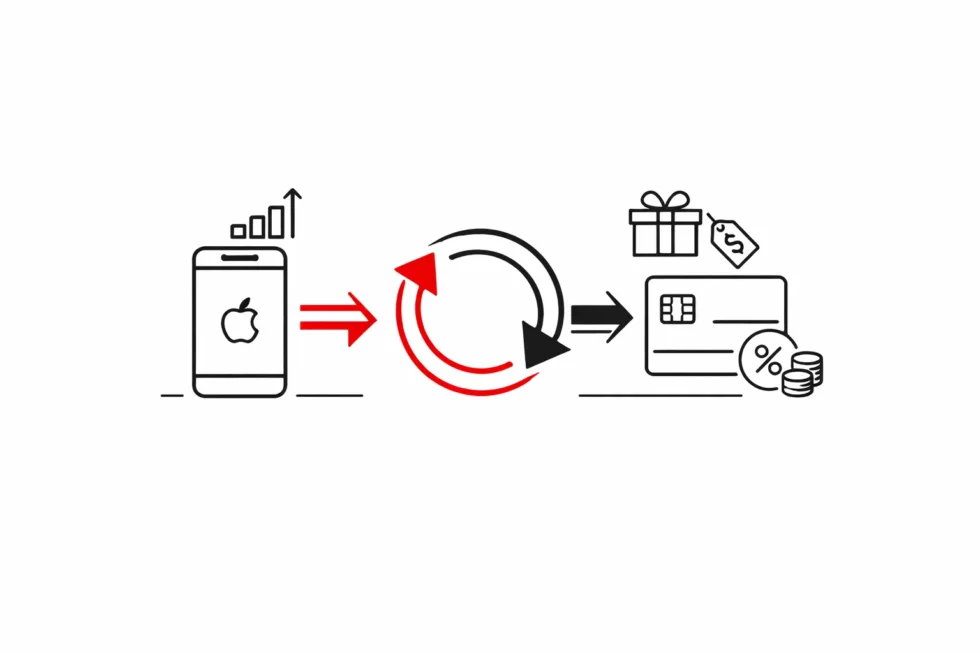
Once JPMorgan becomes the issuing bank, it will assume responsibility for:
- Setting and reviewing credit limits
- Managing fraud detection and chargebacks
- Handling customer service and collections
- Booking the loans and interest income on its balance sheet
Apple said it will continue to operate the Apple Card interface and Apple Pay integration. Neither Apple nor JPMorgan has announced any changes to fees, interest rates or reward structures as part of the transfer.
How the deal reshapes the credit-card market
Large co-branded credit cards such as Apple Card require banks with the balance-sheet capacity to fund tens of billions of dollars in unsecured consumer lending while also meeting strict capital and regulatory requirements. Under US banking rules, lenders must hold loss reserves and regulatory capital against every dollar of credit-card debt, making scale a critical factor in profitability.
JPMorgan already runs one of the largest card businesses in the world, with more than $235bn in US credit-card loans before the Apple Card deal and tens of millions of active cardholders across its Chase-branded products. Its size allows it to absorb large portfolios, invest in fraud systems and manage volatile default rates more efficiently than smaller lenders.
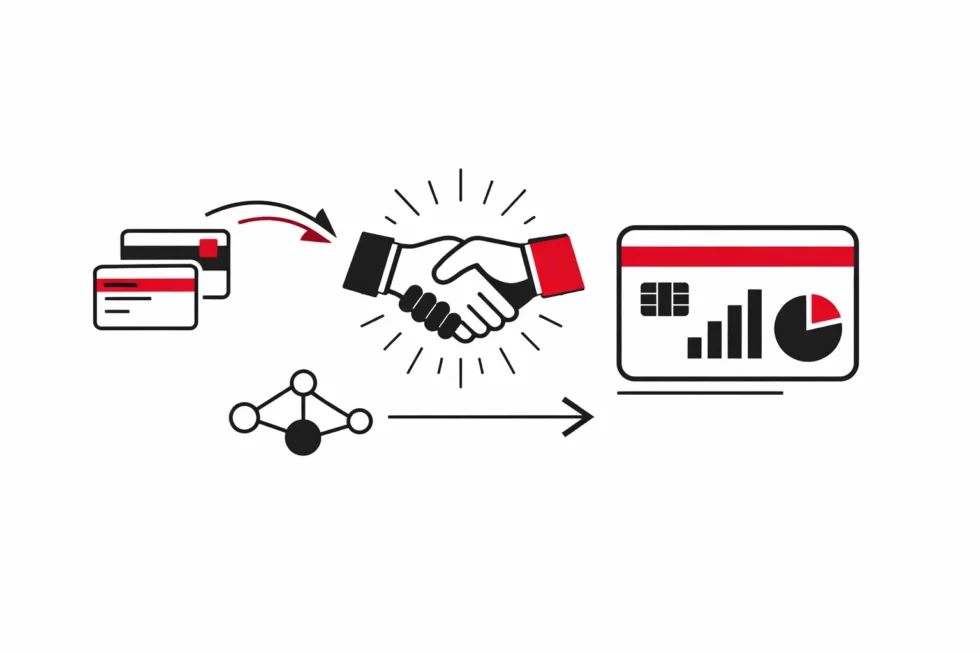
Goldman Sachs, by contrast, built its consumer-lending operation from scratch over the past decade and never reached the scale of established retail banks. With higher delinquency levels on its Apple Card portfolio and rising regulatory costs, the bank has opted to refocus on investment banking, trading and asset management, where its returns have been stronger.
The transfer of Apple Card therefore shifts another major technology-linked credit franchise into the hands of a small group of global banks — alongside JPMorgan, Capital One and a handful of others — that have the capital, funding and risk-management infrastructure to support large-scale consumer credit.
Key figures in the Apple Card transfer
| What it means | Detail | Why it matters for card users and the market |
|---|---|---|
| Size of Apple Card portfolio | ~$20bn (£16bn) in outstanding credit-card debt | One of the largest technology-linked credit-card programmes in the world, comparable in scale to a mid-sized UK card bank |
| Current issuing bank | Goldman Sachs | Until now, Goldman held the debt, set interest rates and carried the risk of non-payment |
| New issuing bank | JPMorgan Chase | The world’s largest consumer bank will now own the loans and control risk management |
| Transition period | Up to two years (2026–2027) | No sudden changes for customers; systems and servicing will be migrated gradually |
| JPMorgan total card book after deal | ~$255bn | Confirms JPMorgan as the biggest credit-card lender in the US, ahead of Capital One |
| JPMorgan loss provisions | $2.2bn | Shows the scale of potential defaults JPMorgan expects from the Apple Card book |
| Goldman revenue write-downs | $2.26bn | Reflects the discount at which Goldman is selling the loans |
| Goldman reserve release | $2.48bn | Money previously set aside to cover bad debts, now freed up |
| Estimated Goldman consumer losses | ~$7bn since 2020 | Explains why Goldman is exiting consumer credit |
| Apple’s role | Technology and customer interface only | Apple does not carry the debt — the bank does |
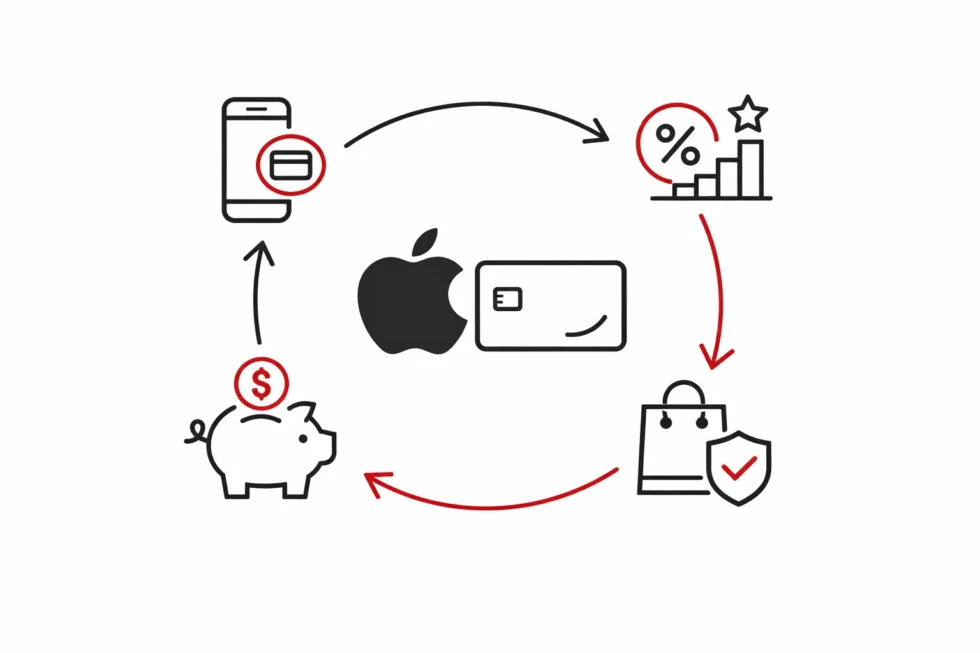
Although Apple Card is a US product, the structure of the deal is directly relevant to the UK credit-card market. In Britain, many cards already operate under the same model, in which technology companies control the customer interface through apps and digital wallets, while regulated banks provide the credit, hold the debt and carry the financial risk.
The transfer of a $20bn Apple Card portfolio from Goldman Sachs to JPMorgan shows that these programmes require very large balance sheets, especially as default rates rise and regulatory capital rules tighten. For UK lenders and payment providers, the deal highlights how control over consumer data and payment interfaces can be separated from the financial risk, which is increasingly being concentrated inside a small number of global banks with the scale to absorb it.
Read about the life of Westminster and Pimlico district, London and the world. 24/7 news with fresh and useful updates on culture, business, technology and city life: Millions in the UK leaving thousands unclaimed as cash sits idle in 0% accounts