Detroit, Michigan — What is Oracle Red Bull Racing truly preparing for ahead of the 2026 Formula 1 season, and why is this unveiling being hailed as the dawn of a completely new era?
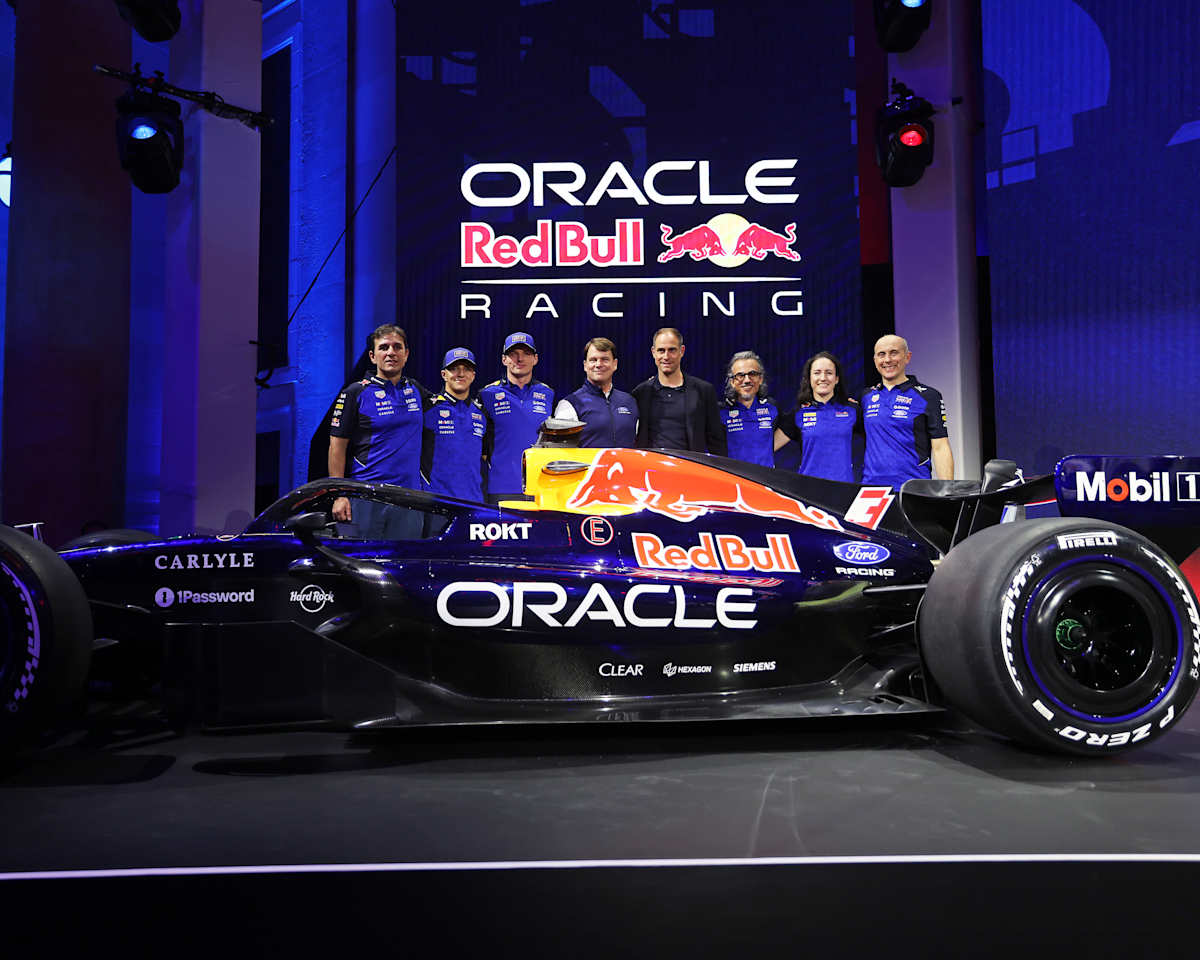
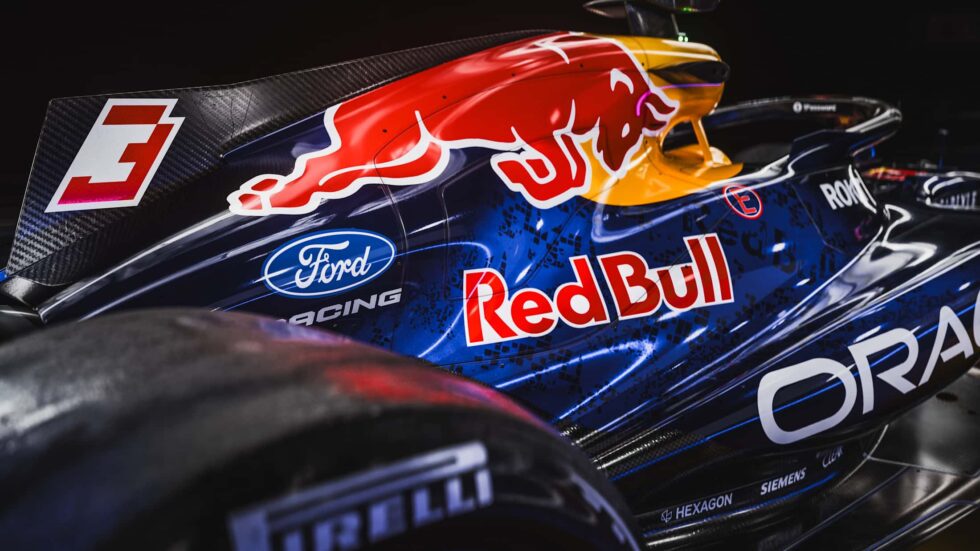
The answer lies in one of the most far-reaching technical revolutions Formula 1 has witnessed in a generation. On 15 January 2026, Red Bull revealed its new livery in Detroit, marking the first public milestone of the Red Bull Ford Powertrains project. Far from being a routine paint-scheme launch, the event signalled a historic shift: Red Bull’s transformation from a customer team into a fully fledged engine manufacturer for the first time. This is reported by The WP Times, citing the official Red Bull Racing release.
For a team that built its dominance on customer power units, the 2026 campaign represents a fundamental change of identity. New technical regulations, new partners and an entirely new operational structure will reshape how Red Bull competes at the highest level of motorsport.
F1 2026 launch: what was actually revealed
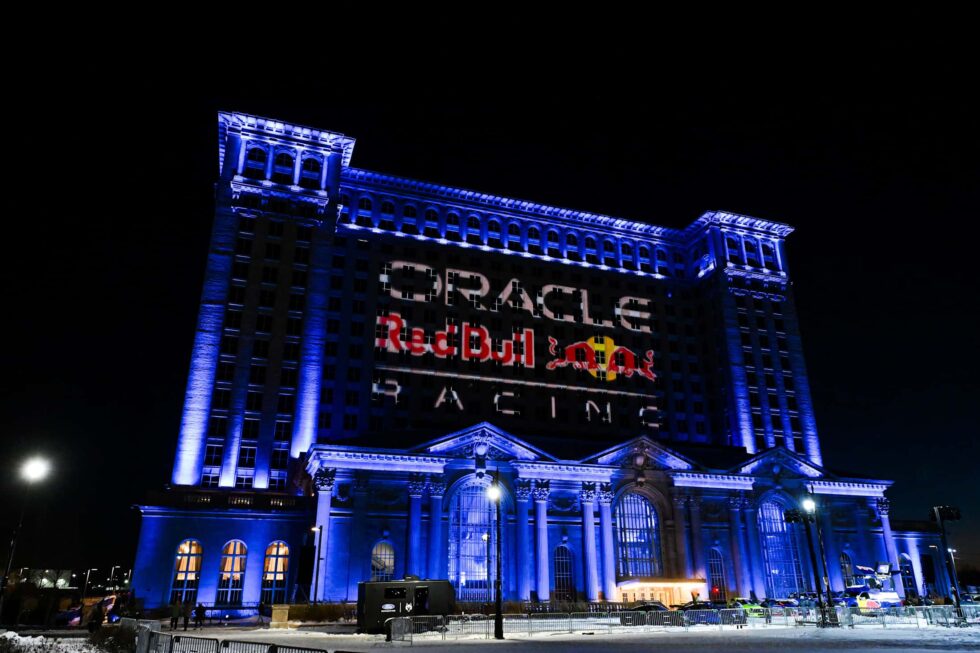
The presentation took place at Michigan Central Station in Detroit – a deliberate choice reflecting the city’s historic role as the home of Ford. The venue underlined the strategic importance of Red Bull’s partnership with the American automotive giant. What was shown on stage was not the 2026 car itself, but the visual identity that will accompany Red Bull into the sport’s next regulatory era. More importantly, the launch confirmed that the coming season will be the first in which Red Bull designs and builds both the chassis and the engine entirely in-house.
Team principal Laurent Mekies described the project as the most ambitious in the organisation’s history.
“This is a defining chapter for Oracle Red Bull Racing,” he said. “We are entering territory we have never been in before – designing and building our own power unit alongside Ford.”
Max Verstappen, who will remain the team’s lead driver, struck a cautious note.
“New regulations always reset the field,” the four-time world champion said. “It’s exciting, but it will also be incredibly tough.”
Why the Red Bull–Ford partnership matters for F1 2026
From 2026, Formula 1 will adopt an entirely new technical rulebook aimed at sustainability and closer competition. The changes include:
- a major increase in electrical power from hybrid systems
- the introduction of fully sustainable fuels
- simplified and more efficient engine architecture
- revised aerodynamic regulations designed to improve overtaking
To meet these demands, Red Bull created Red Bull Ford Powertrains (RBFP), a joint venture that combines Red Bull’s engineering resources with Ford’s global technological expertise. The move elevates Red Bull into the small group of genuine manufacturer teams in Formula 1 – a category long dominated by Ferrari, Mercedes and Renault.
How 2026 compares with previous seasons
| Feature | Before 2026 | From 2026 |
|---|---|---|
| Engine supplier | External partner | In-house with Ford |
| Technical model | Customer team | Full works team |
| Power unit brand | Honda / RBPT | Red Bull Ford Powertrains |
| Regulations | Current hybrid era | New sustainable hybrid era |
| Strategic control | Shared | Fully integrated |
What this means: Until now, Red Bull relied on outside partners for its engines. From 2026, the team becomes a vertically integrated operation, controlling every major technical element of the car – a structure comparable to the sport’s most established manufacturers.
How fans followed the launch
The Detroit reveal was streamed globally on Red Bull TV, allowing supporters around the world to watch live.
- Start time: 10pm Detroit time, 15 January
- European time: 4am CET, 16 January
- Platform: Red Bull TV
- Location: Michigan Central Station, Detroit
The broadcast included interviews with senior Red Bull figures, Ford executives and both drivers, as well as the first official images of the 2026 branding.
Who will drive for Red Bull in 2026
Red Bull heads into the 2026 season with a significantly refreshed driver line-up as the team embarks on its most ambitious technical project to date.
- Max Verstappen (Netherlands) – established team leader, four-time Formula 1 world champion and the central figure of Red Bull’s long-term plans
- Isack Hadjar (France) – 21-year-old rising talent and graduate of the Red Bull Junior Team, promoted after strong performances in the feeder categories
Hadjar replaces Sergio Pérez, whose departure marks the end of a four-season partnership with Verstappen. The decision reflects Red Bull’s strategic shift towards nurturing younger drivers and building a line-up for the future rather than relying on experienced external recruits. For Hadjar, the promotion represents a major step up. The French driver has progressed rapidly through the junior ranks and is regarded as one of the most promising prospects within the Red Bull programme. The 2026 campaign will be his first full season in Formula 1 and his first opportunity to prove himself at the sport’s highest level. Despite his dominant form in recent years, Verstappen urged caution about expectations under the new regulations.
“No one should expect miracles on day one,” he said. “With a brand-new engine and new rules, it will be a development race all season.”
His comments underline the uncertainty facing every team in 2026 – and the likelihood that even the sport’s most successful driver may need time to adapt to Formula 1’s next era.
The risks ahead
Becoming a full manufacturer brings prestige, but also considerable challenges.
Among the most significant are:
- developing a competitive engine from scratch
- matching the experience of Ferrari and Mercedes
- ensuring reliability in early races
- managing the enormous financial commitment
- adapting to unfamiliar technical regulations
Mekies was frank about the scale of the task.
“It would be naïve to think we can match decades of experience immediately,” he said. “We may be trailing at first, but the goal is to catch up fast.”
A period of internal change
The technical reset coincides with a period of major transition within Red Bull. Several long-time figures have departed in recent seasons, including former team principal Christian Horner, senior adviser Dr Helmut Marko and chief designer Adrian Newey.
As a result, the 2026 car will be the first built entirely under a new generation of leadership – adding further uncertainty to an already complex project.
What happens next
Before the first race, teams will take part in an extended programme of pre-season testing:
- Barcelona test: 26–30 January
- Bahrain tests: 11–13 and 18–20 February
- Season opener: Australian Grand Prix, 6–8 March 2026
Only once the cars run in anger will the true competitiveness of the Red Bull Ford Powertrains package become clear.
For Formula 1 as a whole, the new regulations represent a complete reset. For Red Bull, they mark an even more dramatic transformation – from dominant customer team to ambitious manufacturer. Ford’s return to the sport, Verstappen’s bid for further titles and the arrival of a new generation of engineers combine to make 2026 one of the most intriguing seasons in recent memory. The Detroit launch was merely the first step. The real test begins when the lights go out in Melbourne.
Read about the life of Westminster and Pimlico district, London and the world. 24/7 news with fresh and useful updates on culture, business, technology and city life: Zhao Xintong beats Gary Wilson at the 2026 Masters — can the world champion complete snooker’s Triple Crown
Image credits: Red Bull press release