
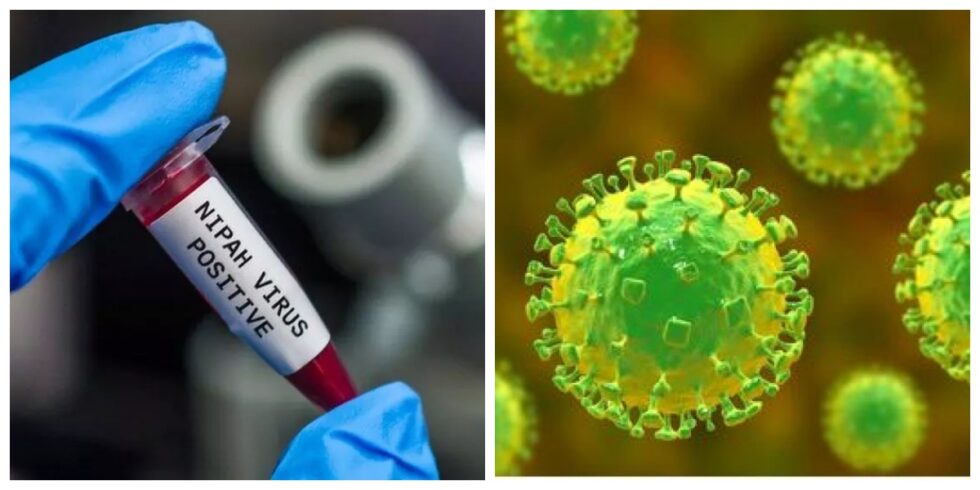
A renewed Nipah virus outbreak in India has raised international concern, prompting health authorities to closely monitor the situation. The virus, which is highly lethal and can spread through close human contact, has not yet reached the UK, but the outbreak has led to increased awareness about symptoms, fatality rates, and travel precautions. While no cases have been reported in Britain, vigilance remains high as scientists assess the potential global risk, reports the editorial team at The WP Times, citing information from the BBC.
What is the Nipah virus
Nipah virus (NiV) is a zoonotic virus, meaning it can be transmitted from animals to humans. It was first identified in 1999 during an outbreak among pig farmers in Malaysia, which resulted in significant fatalities and economic loss. The virus is considered one of the most dangerous zoonotic pathogens due to its high case fatality rate and potential to cause severe respiratory and neurological illness. Because of these characteristics, Nipah virus is included in the World Health Organization’s (WHO) list of priority pathogens that pose a global health threat.
Where the Nipah virus outbreak is occurring in India
The latest Nipah virus cases have been reported in Kerala, a state in southern India, where outbreaks have historically occurred. Recurrent outbreaks in this region are often linked to close contact with fruit bats, the natural reservoir of the virus. Local authorities have implemented containment measures, including quarantines, contact tracing, and temporary closure of schools and healthcare facilities. Although the outbreak is geographically limited, the high fatality rate and human-to-human transmission potential keep global health agencies on alert.
Nipah virus symptoms and early warning signs
Early symptoms of Nipah virus infection often resemble common viral illnesses, making initial diagnosis challenging. They include:
- Fever
- Headache
- Drowsiness or lethargy
- Muscle pain
As the disease progresses, severe complications such as encephalitis, seizures, and respiratory distress can develop. Encephalitis, an inflammation of the brain, is a hallmark of severe Nipah infection and requires immediate hospitalisation. Because early symptoms mimic other infections, rapid testing and isolation are crucial to prevent spread.
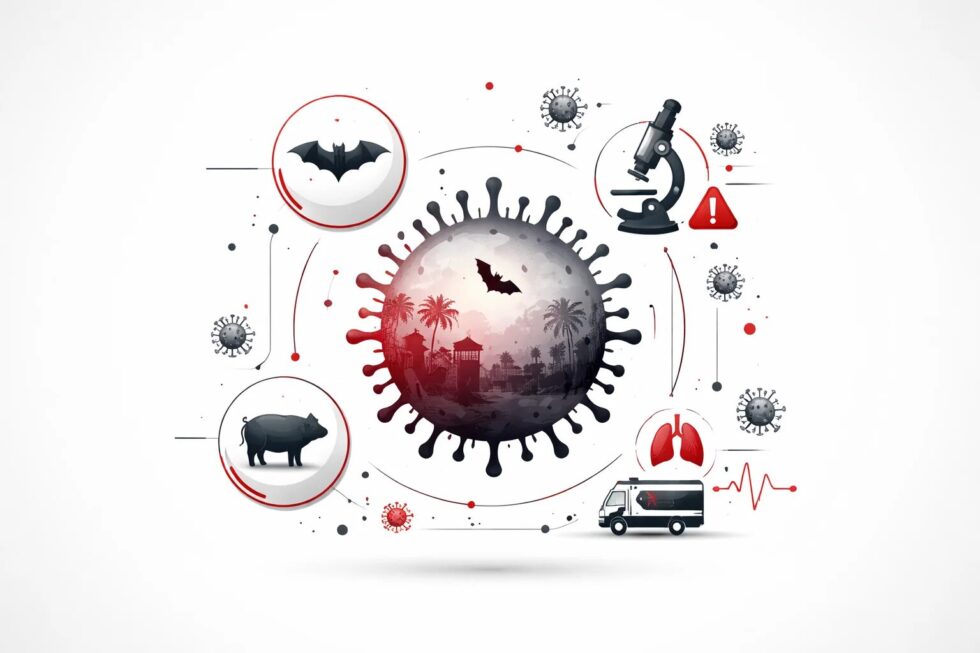
How deadly is Nipah virus
Nipah virus is one of the deadliest known viruses. Past outbreaks have shown case fatality rates ranging from 40% to 75%, depending on healthcare access and the speed of intervention. Factors that increase the risk of death include advanced age, pre-existing health conditions, and delayed hospital care. The virus is considered more dangerous than most known respiratory viruses due to the combination of its lethality and capacity for human-to-human transmission.
How Nipah virus spreads
Transmission of Nipah virus occurs primarily through direct contact with infected animals, such as fruit bats or pigs, or through their bodily fluids. Human-to-human transmission can occur via:
- Close household contact with infected individuals
- Exposure to respiratory secretions or saliva
- Contaminated surfaces or medical equipment
Healthcare settings can also become hotspots if infection control measures are insufficient. Unlike influenza, Nipah virus does not spread easily through casual contact, which limits its potential for community-wide outbreaks.
Is there a Nipah virus risk to the UK
Currently, the risk of Nipah virus in the UK is considered very low. British health authorities, including the NHS and Public Health England, continue to monitor international outbreaks. Any potential importation of cases would likely involve travellers returning from affected regions. Stringent airport screening, public health guidance, and rapid response protocols make a widespread UK outbreak unlikely.
What UK travellers should know
UK travellers to affected areas in India should take several practical precautions:
- Avoid contact with fruit bats and pigs.
- Refrain from consuming raw date palm sap or unpasteurised fruit products.
- Practice regular hand hygiene and respiratory etiquette.
- Seek immediate medical attention if fever, headache, or neurological symptoms develop during or after travel.
Following these measures dramatically reduces the already low risk of infection for British travellers.
Why global health agencies are monitoring Nipah
The WHO and other international health bodies continue to track Nipah virus due to its:
- High case fatality rate
- Potential for human-to-human transmission
- Recurrent outbreaks in specific regions
- Lack of approved vaccines or antiviral treatments
Experts remain vigilant because even a single imported case could pose serious challenges for containment and healthcare systems outside endemic regions.
FAQ: Nipah virus outbreak – key questions answered
What is Nipah virus?
Nipah virus is a rare but highly lethal zoonotic virus that can cause severe respiratory illness and brain inflammation.
What are the symptoms of Nipah virus?
Early symptoms include fever and headache. Severe cases may lead to encephalitis, seizures, and coma.
How high is the Nipah virus death rate?
Fatality rates in previous outbreaks have ranged from 40% to 75%.
Is Nipah virus contagious between humans?
Yes, through close contact, particularly in households and healthcare settings.
Is Nipah virus present in the UK?
No cases have been reported, and the risk remains very low.
Should UK travellers be worried about Nipah virus?
The risk is minimal if standard hygiene and food safety precautions are followed.
Read about the life of Westminster and Pimlico district, London and the world. 24/7 news with fresh and useful updates on culture, business, technology and city life: What Are the Most Common App-Controlled Vibrator Issues and How to Fix Them in the UK