
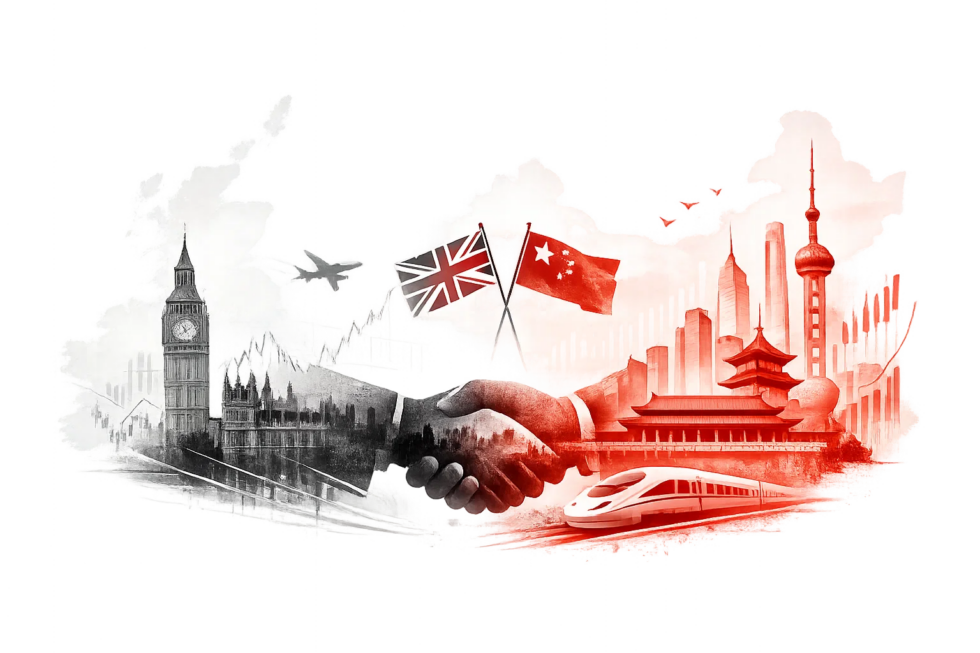
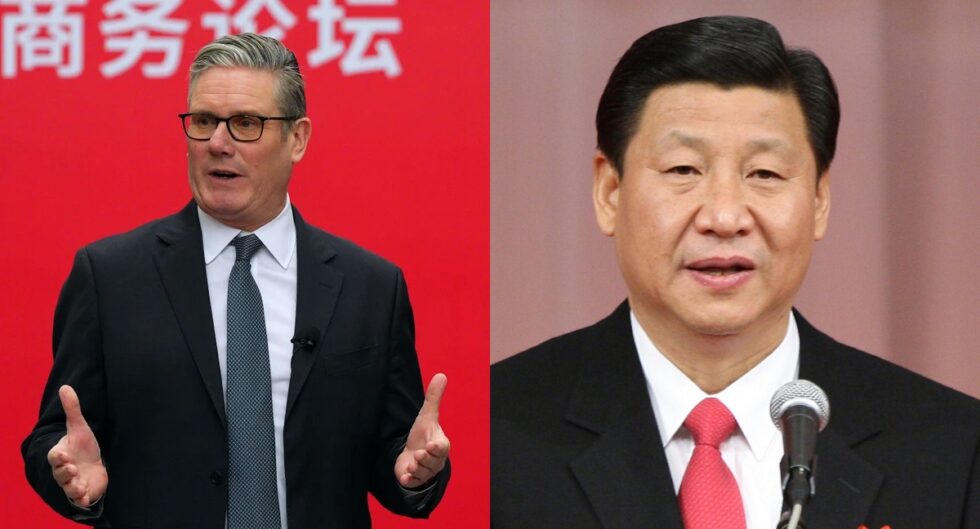
British Prime Minister Sir Keir Starmer has confirmed that China has removed sanctions against six sitting members of the UK Parliament, including four Conservative MPs and two peers, following discussions with Chinese President Xi Jinping. The sanctions, imposed in 2021, included travel bans to China, Hong Kong, and Macau, and restrictions on business dealings with Chinese entities. The lifting applies only to current parliamentarians; other sanctioned individuals remain affected. Starmer said he hopes President Xi will attend the G20 summit in the UK in 2027, reports The WP Times, via BBC.
Background of China’s sanctions on UK parliamentarians
China first imposed sanctions on UK officials in March 2021, citing criticisms over human rights abuses in Xinjiang. Targeted individuals included Conservative MPs Sir Iain Duncan Smith, Nusrat Ghani, Tom Tugendhat, Neil O’Brien, and former MP Tim Loughton, along with Labour peer Baroness Kennedy and crossbench peer Lord Alton. Sanctions restricted entry to China, froze property holdings in China, and prohibited Chinese citizens or institutions from engaging in business with them.
Purpose of sanctions
Sanctions were primarily a response to UK parliamentarians’ involvement in the Inter-Parliamentary Alliance on China and advocacy concerning alleged crimes against humanity against Uyghurs and other ethnic groups in Xinjiang. Targeted MPs and peers publicly criticized China’s policies on human rights and voiced support for pro-democracy activists, including British citizen Jimmy Lai.
Impact on sanctioned individuals
Sanctioned parliamentarians were effectively barred from official travel to China and from participating in UK-China legislative exchanges. Legal and property restrictions further limited engagement in professional activities tied to China. These measures created diplomatic tension between London and Beijing and became a central issue in UK parliamentary debates.
Details of the lifting of sanctions
The removal of sanctions applies to six current parliamentarians: four Conservative MPs — Sir Iain Duncan Smith, Nusrat Ghani, Tom Tugendhat, and Neil O’Brien — and two peers, Baroness Kennedy and Lord Alton. Tim Loughton, who left Parliament in 2024, remains under sanction.
Mechanism and scope
China’s foreign ministry confirmed the decision, stating that both sides agreed to resume normal legislative exchanges. The lifting includes:
- Removal of travel bans to China, Hong Kong, and Macau.
- Termination of business and property restrictions.
- Permission for these parliamentarians to engage in official visits and exchanges with Chinese institutions.
However, sanctions on other individuals, including legal figures such as Sir Geoffrey Nice KC and academics like Jo Smith Finley, remain in place. UK authorities have not lifted any sanctions imposed on Chinese officials.
UK government’s response and strategic context
Sir Keir Starmer framed the decision as validation of his diplomatic approach, emphasizing that direct engagement allowed discussion of sensitive issues at a leader-to-leader level. Starmer highlighted that the lifting coincides with agreements on trade and visa matters:
- Whisky tariffs: China will halve import taxes on British whisky starting Monday next week.
- Visa discussions: No confirmed start date for visa-free travel for UK citizens.
Downing Street described the sanction removal as a “clear win” from the Prime Minister’s three-day visit to China, the first by a UK leader since 2018.
Political reactions in the UK
Responses among UK political figures were mixed:
- Conservative Party: Critics described the visit as ineffective, arguing that engagement with China posed risks to UK interests. Conservative leader Kemi Badenoch stated that Starmer approached negotiations from a position of weakness.
- Reform UK: Nigel Farage called for suspension of trade deals with China until Jimmy Lai’s release.
- Sanctioned MPs and peers: They expressed concern over selective lifting, emphasizing that the decision does not address ongoing human rights abuses or the status of other sanctioned individuals.
Human rights and ongoing concerns
While China asserts that accusations of human rights abuses in Xinjiang are unfounded, reports by international organizations and UK parliamentary inquiries continue to document atrocities against Uyghurs and other Muslim minorities. Sanctioned parliamentarians and advocacy groups highlight ongoing imprisonment of activists and continue to press for accountability.
Implications for UK-China relations
The lifting of sanctions may facilitate:
- Resumption of parliamentary dialogue and exchanges.
- Expansion of trade agreements and intelligence cooperation, including anti-smuggling and anti-organized crime initiatives.
- Collaboration on global health issues such as antimicrobial resistance.
However, it does not imply resolution of broader geopolitical tensions or the suspension of UK sanctions against Chinese officials accused of human rights violations.
Guidance for UK citizens and parliamentarians
British citizens planning travel to China should refer to official guidance:
- Foreign travel advice: UK government website gov.uk/foreign-travel-advice/china.
- Visa applications: Continue following established procedures through Chinese consulates and embassy portals.
- Engagement with sanctioned individuals: Current MPs and peers affected by previous restrictions may now participate in official exchanges; others remain subject to limitations.
Next steps and international coordination
UK and Chinese officials have agreed to continue:
- Legislative and parliamentary exchanges.
- Trade facilitation initiatives, including reduced regulatory barriers.
- Joint intelligence operations addressing transnational organized crime and human trafficking.
The UK Prime Minister also expressed hope for President Xi to attend the 2027 G20 summit in the UK, signaling potential for further high-level diplomatic engagement.
For UK citizens, the lifting of sanctions on specific MPs and peers allows renewed parliamentary exchanges and advocacy channels in China. Trade opportunities, such as reduced whisky tariffs, come into effect immediately. Citizens planning travel should remain aware of visa requirements and consult official guidance. The selective nature of the sanction lifting underscores ongoing human rights concerns and the continued detention of activists and minorities in China.
Read about the life of Westminster and Pimlico district, London and the world. 24/7 news with fresh and useful updates on culture, business, technology and city life: What is happening with M5 traffic today and why are delays still affecting Bristol and the airport