

When is Ramadan 2026 is one of the most searched seasonal questions in the United Kingdom, driven not only by Muslim households but also by employers, schools, NHS services and local councils preparing for changes to daily routines. In 2026, Ramadan is expected to begin around 17–18 February, placing the holy month firmly in late winter, when short daylight hours and cold evenings shape the British experience of fasting.
In the UK, Ramadan typically lasts 29 or 30 days, depending on the confirmed sighting of the new moon. During this period, fasting takes place each day from pre-dawn (around 5:15–5:30 am in mid-February) until sunset (around 5:20–5:40 pm). While winter fasts are shorter than those observed in summer, they can still be physiologically demanding due to low temperatures, reduced daylight exposure and disrupted sleep patterns. The WP Times reports that Ramadan 2026 will begin in mid-February, affecting daily routines across the UK.
This article explains when Ramadan 2026 starts in the UK, how Islamic authorities determine the exact date, how Ramadan is observed in London and other British cities, and what scientific research indicates happens to the body during 30 days of daily fasting — including changes in metabolism, hydration, sleep quality and mental focus. These considerations are particularly relevant in Britain, where around 3.9 million Muslims live, accounting for approximately 6% of the population, with the largest communities in London, Birmingham, Manchester and Bradford.
By breaking down the dates, rituals and physiological effects, this guide offers a clear, UK-specific overview of Ramadan 2026 — not only as a religious observance, but as a month that meaningfully reshapes social, professional and public-health rhythms across Britain.
When is Ramadan 2026 in the UK
Ramadan follows the Islamic lunar calendar, which is around 10–11 days shorter than the Gregorian calendar. As a result, the start of Ramadan shifts earlier each year, moving steadily backwards through the seasons. Based on astronomical calculations, Ramadan 2026 is expected to begin on either Wednesday 18 February or Thursday 19 February. The exact start date is confirmed by the sighting of the crescent moon, which traditionally marks the beginning of the holy month.
In the United Kingdom, there is no single official moon-sighting authority, meaning practices can vary between communities. As a result:
- Some mosques follow Saudi Arabia’s official announcement
- Others rely on local or European moon sightings
- Some communities use pre-calculated astronomical calendars
Because of these differences, it is normal for Ramadan to begin on different days across the UK, and occasionally even within the same city.
Fasting hours in Britain (February 2026)
In mid-February, fasting hours in the UK are relatively short compared with summer months. Muslims observing Ramadan in Britain can expect to fast for approximately 11–12 hours per day, from dawn (Fajr) until sunset (Maghrib). This shorter fasting window is often considered more manageable, although winter conditions — including limited daylight, colder temperatures and altered sleep patterns — still present physical and practical challenges for many observers.
How Ramadan is observed in Britain
Ramadan in Britain functions as both a religious observance and a visible social moment. While fasting remains an individual act of worship, its impact extends well beyond the home, shaping public life, work patterns and community activity throughout the month. In major British cities such as London, Birmingham, Manchester and Leicester, Ramadan is marked by a combination of religious practice and civic adaptation:
- Mosques hold extended nightly prayers, known as Tarawih, often drawing large congregations after sunset
- Local councils and charities organise open community iftars, welcoming Muslims and non-Muslims alike
- Schools adjust timetables and pastoral support for pupils who are fasting
- Employers increasingly offer flexible hours or remote working, particularly in sectors with large Muslim workforces
In recent years, Ramadan has become more visible in the UK’s public sphere, with illuminated streets, charity campaigns and shared iftar events reflecting a broader recognition of the month’s cultural and social significance. For many families, it is also a time of heightened community connection, charitable giving and collective routine — reinforcing Ramadan’s role as a defining period in Britain’s multicultural calendar..
What happens to your body during Ramadan fasting
Ramadan fasting is a form of daily intermittent fasting repeated over 29–30 consecutive days. Food and drink are avoided from dawn (Fajr) to sunset (Maghrib), while eating and hydration resume during the evening and early morning hours. Unlike continuous fasting, this pattern creates a daily cycle of restriction and refeeding, prompting the body to adapt in stages.
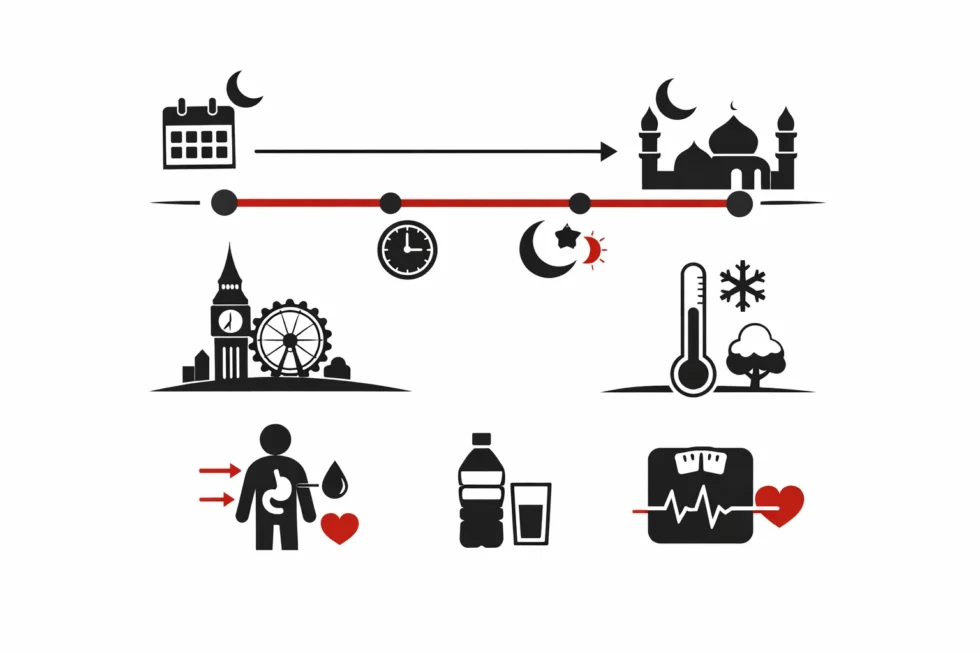
Days 1–3: early adjustment phase
During the first few days of fasting, the body relies primarily on glycogen, a stored form of glucose held in the liver and muscles. These reserves typically last 12–24 hours, meaning they are rapidly depleted during the first fasting days. Common effects during this phase include:
- Headaches
- Fatigue and low energy
- Irritability or mood swings
- Reduced concentration
These symptoms are temporary and are largely caused by falling blood sugar levels, mild dehydration and caffeine withdrawal, particularly for those accustomed to regular tea or coffee. Sleep disruption — due to early pre-dawn meals and late-night prayers — can intensify these effects.
Days 3–7: shift to fat metabolism
Once glycogen stores are depleted, the body begins to increase fat oxidation, using stored fat as its main energy source during fasting hours. This metabolic shift is gradual rather than sudden. Typical changes include:
- Greater stability in blood glucose levels at a lower baseline
- Reduced insulin secretion and fewer insulin spikes
- Increased reliance on fat as fuel
Some people experience side effects during this transition, such as dry mouth, constipation, mild dizziness or light-headedness, particularly if fluid intake overnight is insufficient. These symptoms are not caused by fasting itself but by inadequate hydration or low fibre intake.
Days 8–15: metabolic adaptation and stabilisation
By the second week of Ramadan, most healthy adults reach a phase of metabolic adaptation. The body becomes more efficient at alternating between stored energy during fasting hours and nutrients consumed at night. Reported effects during this stage include:
- More consistent energy levels throughout the day
- Reduced intensity of hunger signals
- Improved mental clarity and focus
Hormonal responses, including insulin and cortisol regulation, tend to stabilise. Many people report that fasting feels less physically demanding at this stage, provided sleep and nutrition are adequately managed.
Days 16–30: balance, benefits and potential risks
In the final phase of Ramadan, the fasting–feeding rhythm becomes predictable. For some individuals, this period brings noticeable benefits. Potential benefits may include:
- Improved appetite awareness and portion control
- Reduction in body fat, particularly when meals are balanced
- Greater mindfulness around eating habits
However, risks can arise if nutritional quality declines. Common issues include:
- Low protein intake, leading to muscle loss or fatigue
- Diets dominated by sugary or fried foods, causing blood sugar swings
- Chronic dehydration, especially in heated indoor environments
UK health guidance and who should take extra care
UK health authorities broadly agree that Ramadan fasting is safe for most healthy adults when it is properly planned and managed. Medical guidance, however, also stresses that fasting is not suitable for everyone, and that certain individuals should seek medical advice in advance or may be religiously exempt from fasting altogether. These recommendations are particularly relevant in the UK. While shorter winter days reduce fasting hours, cold temperatures, disrupted sleep patterns and prolonged indoor heating can still place additional strain on the body. As a result, healthcare professionals consistently emphasise individual assessment rather than a one-size-fits-all approach.
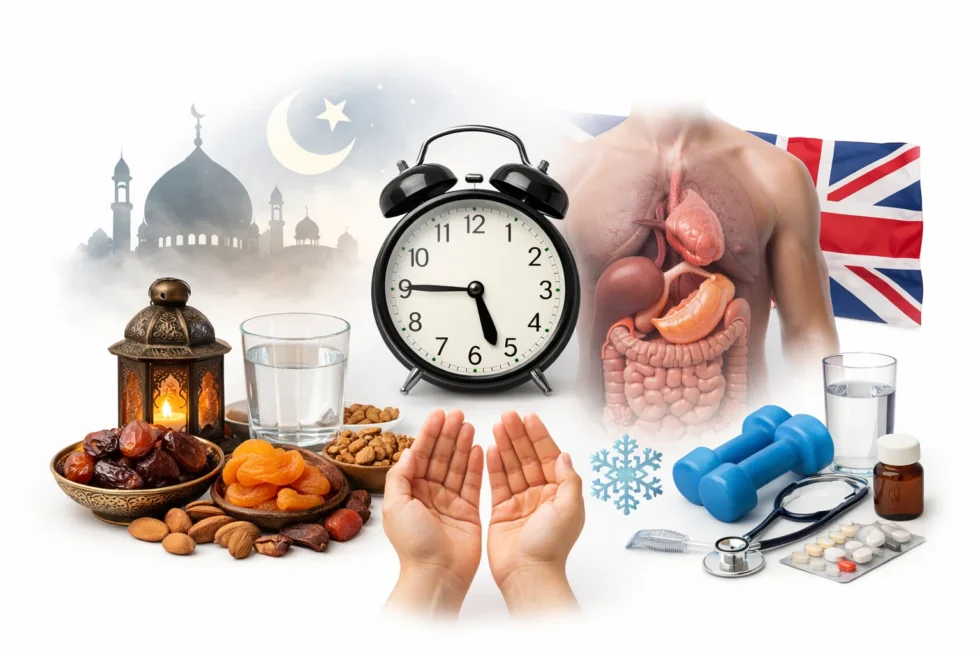
Groups advised to seek medical guidance include:
- People with diabetes, particularly those using insulin or medications that affect blood sugar
- Pregnant or breastfeeding women
- Individuals with a history of eating disorders
- Those living with chronic kidney, heart or gastrointestinal conditions
UK-based health advice for those who do fast includes:
- Drinking 1.5–2 litres of water between sunset and dawn
- Including protein, fibre and slow-release carbohydrates at suhoor
- Limiting foods high in sugar and saturated fat, especially fried dishes
- Prioritising sleep to reduce fatigue and support recovery
When managed carefully, Ramadan fasting represents not only a spiritual discipline but also a complex physiological process that the body is generally capable of adapting to — provided hydration, nutrition and rest are adequately maintained.
Is Ramadan fasting healthy
Ramadan fasting can be beneficial when practised correctly. It is not a form of continuous starvation, as food and drink are permitted overnight, allowing the body to replenish energy and nutrients on a daily basis. Potential benefits reported in healthy adults include:
- Improved metabolic flexibility, as the body adapts to using stored energy
- Weight stabilisation, rather than rapid weight loss
- Greater awareness and control of eating habits
However, fasting is not recommended for everyone. Medical exemptions apply to individuals with chronic illness, pregnancy, eating disorders or specific medication requirements, and religious guidance supports prioritising health and safety in such cases.
Why Ramadan dates differ: moon sighting explained
The start of Ramadan is determined by the visual sighting of the crescent moon, a practice rooted in Islamic tradition. Differences in start dates arise because:
- Astronomical calculations can predict when the moon should be visible
- Religious authorities often rely on confirmed eyewitness testimony
- Countries and communities follow different interpretative traditions
In the UK, this results in diversity rather than confusion. It is widely accepted that Ramadan may begin on different days across communities, and even within the same city. These variations are considered religiously valid and reflect the plural nature of Islamic practice in Britain.
How Ramadan 2026 will be marked in London
London is home to one of the largest Muslim populations in Europe, and Ramadan has an increasingly visible and structured public presence across the capital. In 2026, with Ramadan expected to fall in mid-February, the holy month will unfold against the backdrop of winter evenings, early sunsets and heightened community activity. Across London, mosques are expected to extend evening programmes throughout Ramadan. Major mosques such as East London Mosque, Regent’s Park Mosque and London Central Mosque typically host large-scale Tarawih prayers, late-night lectures and communal iftars, with attendance peaking on weekends and during the final ten nights.
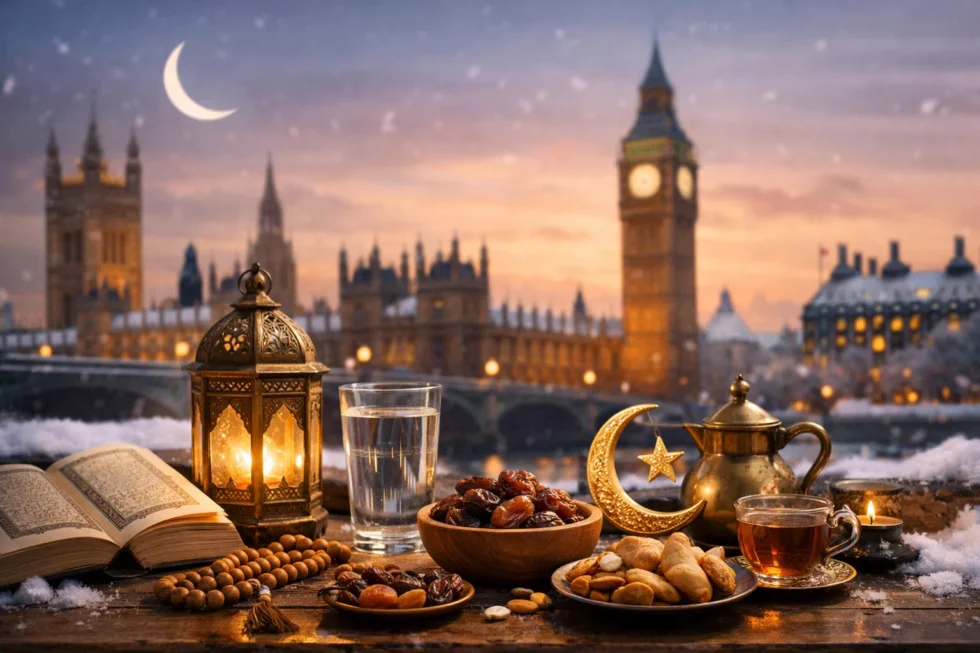
Local councils and community organisations across boroughs including Tower Hamlets, Newham, Brent and Waltham Forest regularly support open iftar events, many of which are free and open to the wider public. These gatherings are designed to encourage social cohesion and interfaith participation, reflecting London’s role as a global multicultural city.
Ramadan is also increasingly reflected in London’s public spaces. In recent years, Ramadan lights and installationshave appeared in central areas, while food markets, charities and local businesses adapt opening hours to accommodate evening footfall. Transport usage patterns shift later into the night, particularly in neighbourhoods with large Muslim communities.
For schools and employers, Ramadan in London often brings practical adjustments. Schools may offer pastoral flexibility for fasting pupils, while many employers — particularly in the public sector, healthcare and professional services — provide flexible working arrangements or remote options during the month. Taken together, Ramadan 2026 in London will be marked not only by religious observance, but by city-wide adaptation, reinforcing the capital’s ability to absorb and reflect the rhythms of its diverse communities.
Key Ramadan moments in London 2026
| Event | Approximate date | Where in London | Notes |
|---|---|---|---|
| Start of Ramadan | 18–19 Feb 2026 | Citywide mosques | Date depends on moon sighting |
| First Tarawih prayers | Evening of first fast | East London Mosque, Regents Park Mosque | Large nightly attendance |
| Community iftars | Throughout Ramadan | Trafalgar Square area, local councils | Often open to non-Muslims |
| Last 10 nights (Laylat al-Qadr period) | Around 8–17 March | Major London mosques | Increased night prayers |
| Eid al-Fitr | Around 20–21 March | Hyde Park, mosques, community halls | Public prayers and celebrations |
London councils increasingly support Ramadan logistics through public safety planning, transport management and community engagement.
Why a winter Ramadan feels different in the UK
When Ramadan falls in winter, as it will in 2026, the experience of fasting in the UK differs noticeably from summer observance. Short daylight hours reduce the length of the daily fast, but colder temperatures and limited sunlight introduce a distinct set of physical and practical considerations.
Advantages of a winter Ramadan
- Shorter fasting hours, typically around 11–12 hours, making daily fasting more manageable
- Lower risk of dehydration compared with long summer fasts
- Less disruption to standard working hours, as dawn and sunset fall closer to typical schedules
For many people, winter Ramadan allows fasting to be integrated more smoothly into professional and school routines.
Challenges associated with winter fasting
- Seasonal fatigue, often linked to disrupted sleep and colder weather
- Low vitamin D levels, already common in the UK during winter months
- Reduced daylight exposure, which can affect mood, energy and circadian rhythm
Because of these factors, UK health organisations frequently advise vitamin D supplementation during winter Ramadans, particularly for those who spend most of the day indoors or have limited sun exposure.
Why “when is Ramadan 2026” matters in the UK
The question when is Ramadan 2026 is not only a matter of religious observance. In Britain, it has practical implications across multiple areas of public life, including:
- School attendance, examinations and pastoral support
- Workplace scheduling and flexible working arrangements
- Healthcare planning, particularly in primary care and mental health services
- Community events, charity activity and public services
In a multicultural society like the UK, understanding the timing and impact of Ramadan helps reduce misinformation, supports inclusion and allows institutions to respond thoughtfully to the needs of Muslim communities. As Ramadan 2026 approaches, clarity around dates and implications remains essential for families, employers and public bodies alike.
Top 5 questions about Ramadan 2026 in the UK — answered
As Ramadan 2026 approaches, questions about dates, fasting hours and daily life in Britain consistently rank among the most searched topics online. Families, schools, employers and healthcare providers all seek clear, practical information well in advance of the holy month. Below are the five most common questions people in the UK ask about Ramadan 2026 — with concise, reliable answers based on current calendar projections and established UK practice.

1. When does Ramadan 2026 start in the UK?
Ramadan 2026 is expected to begin on Wednesday 18 February or Thursday 19 February, depending on the sighting of the crescent moon. Different mosques across the UK may start on different days, and both dates are considered valid within Islamic tradition.
2. How long are fasting hours in the UK during Ramadan 2026?
In February 2026, fasting hours in the UK will last approximately 11–12 hours per day, from dawn (Fajr) to sunset (Maghrib). This is significantly shorter than summer fasts, which can exceed 18 hours.
3. Why do Ramadan dates differ between mosques in Britain?
There is no single official moon-sighting authority in the UK. Some mosques follow Saudi Arabia, others rely on local or European sightings, while some use astronomical calculations. These differences are normal and widely accepted.
4. Is Ramadan fasting safe during winter in the UK?
For most healthy adults, Ramadan fasting is considered safe when properly managed. However, people with conditions such as diabetes, pregnancy, eating disorders or chronic illness should seek medical advice. UK health guidance often recommends adequate hydration and vitamin D supplementation during winter Ramadan.
5. Why is “when is Ramadan 2026” important for schools and employers?
The timing of Ramadan affects school routines, exams, workplace scheduling, healthcare provision and community events. Knowing the dates in advance allows institutions to plan flexible arrangements and better support Muslim students, staff and patients.
Read about the life of Westminster and Pimlico district, London and the world. 24/7 news with fresh and useful updates on culture, business, technology and city life: Why Hanukkah in London begins tonight and how the city marks it in public life