
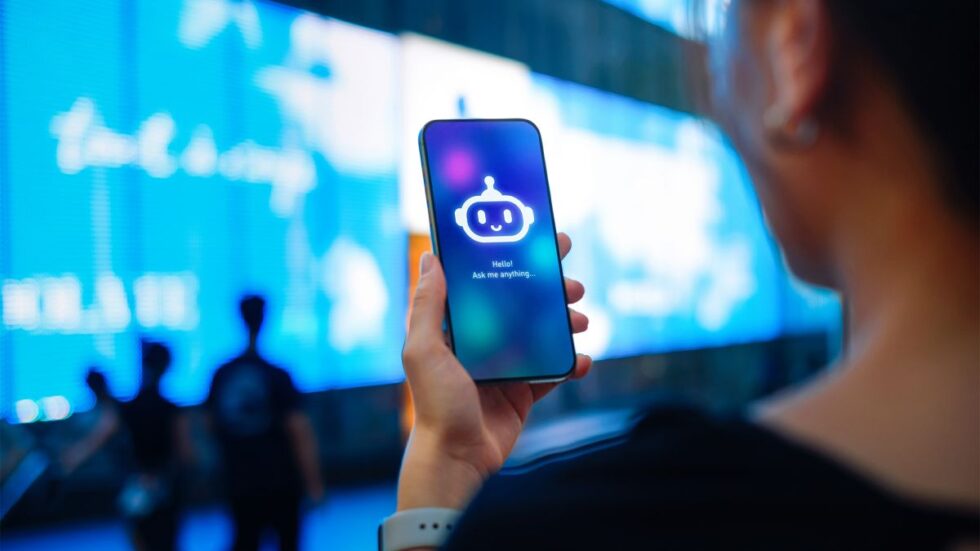
The global smartphone industry has always been defined by technological innovation — from the first touchscreen smartphones to the rise of mobile internet and app ecosystems. Now, the market is entering what experts increasingly describe as the AI Phone era. This transition goes far beyond hardware upgrades or software updates. Instead, it represents a fundamental shift in how devices interact with users, reports The WP Times.
Unlike traditional smartphones, which primarily rely on apps and cloud-based services, AI-powered smartphonesembed artificial intelligence directly on the device. Through dedicated neural processing units (NPUs) and AI-optimised algorithms, these AI phones can perform complex tasks on-device, without requiring a constant internet connection. For consumers, this enables a new level of speed, efficiency and data security.
As a result, the smartphone is no longer just a communication tool. An AI phone functions as a proactive digital assistant, capable of anticipating user needs, adapting to daily habits and learning from individual behaviour. This marks a decisive move toward context-aware mobile technology, positioning AI smartphones as intelligent platforms rather than passive devices. List of key changes driving the AI Phone era:
- Integration of NPUs (neural processing units) for local AI processing.
- On-device language translation and real-time transcription.
- Smarter photo and video optimization powered by AI.
- Personalized recommendations tailored to user behavior.
- Stronger privacy through minimized reliance on cloud services.
These innovations reveal why AI Phones are more than just a technological upgrade. They reshape the very purpose of a smartphone, moving away from passive functionality toward interactive intelligence. As manufacturers continue to refine these capabilities, AI integration is expected to become as essential as cameras or touchscreens once were.
Myths about AI smartphones
Despite the excitement, AI smartphones are surrounded by myths and misconceptions. Some consumers assume that “AI” is simply a marketing term used by brands to sell expensive devices. Others fear that the presence of artificial intelligence will automatically result in constant surveillance and data collection. There are also concerns about whether AI features will drain battery life too quickly or require non-stop internet connectivity.
These myths persist because AI is often associated with futuristic or even dystopian scenarios, amplified by movies and media narratives. People are used to thinking about AI in the context of massive cloud servers or sci-fi robots, not small devices that fit in their pockets. As a result, skepticism is natural, but it does not reflect the reality of how modern AI integration actually works.
Why myths appear
The main reason myths continue to circulate is the knowledge gap between developers and everyday users. While engineers understand the technical benefits of on-device AI, many consumers still picture AI as an external, controlling system. This misunderstanding fuels distrust. Furthermore, because “AI” has become a buzzword across industries, people question whether smartphone companies truly deliver meaningful changes or just rebrand existing features.
In reality, once users experience features like instant offline translation, AI-driven battery optimization, or context-aware voice assistance, many of these concerns disappear. The everyday utility of AI Phones helps prove that the technology is not about flashy marketing but about solving real problems in faster, safer, and more efficient ways.
Reality of AI integration in smartphones
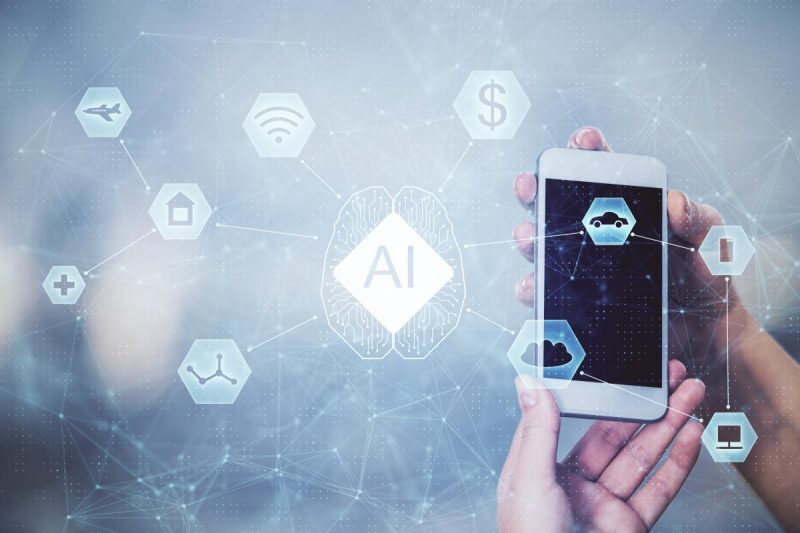
AI smartphones are not a distant promise; they are already shaping everyday life. Instead of simply running apps, they perform intelligent tasks that once required server-based computing. For example, users can now transcribe conversations in real time without internet access, or rely on cameras that automatically detect lighting conditions, faces, and even moods to adjust photos. AI also plays a key role in predictive text, personalized recommendations, and proactive reminders.
Classic smartphones vs AI Phones
| Feature | Classic Smartphone | AI Smartphone |
|---|---|---|
| Translation | Cloud-only | Real-time, offline |
| Voice recognition | Basic commands | Context-aware, adaptive |
| Camera performance | Filter-based | AI-driven optimization |
| Battery management | Manual settings | Predictive, AI-managed |
| Security | Standard biometric | Privacy-first AI defense |
The comparison shows that AI Phones outperform traditional devices in nearly every category that matters to users. Where old smartphones relied heavily on cloud-based servers, AI Phones now execute these tasks on the device itself. This not only enhances speed but also minimizes data exposure, giving users stronger protection against leaks and misuse.
Role of Samsung and leading manufacturers
Samsung has become one of the pioneers of AI smartphone innovation. Its Galaxy AI platform allows users to translate conversations in real time, edit photos with advanced generative AI tools, and even improve battery efficiency through predictive analysis. Google’s Pixel series is also widely recognized for its AI-first design, offering features like Magic Eraser and context-driven voice recognition. Apple is preparing to follow suit with a stronger AI strategy in upcoming iPhone generations, focusing on privacy-centric intelligence.
Meanwhile, Chinese companies such as Huawei and Xiaomi are aggressively investing in NPUs, making AI-powered features accessible to a wider range of consumers. This global competition accelerates the adoption of AI technologies, ensuring that within a few years, AI will not be an exclusive feature of premium devices but a standard element of smartphones across all price ranges.
Practical benefits for users
The value of AI integration becomes most clear when viewed through the lens of everyday usage. Unlike abstract technologies, AI Phones provide direct, tangible benefits that simplify daily routines. They are not just smarter—they are more intuitive, capable of recognizing patterns in user behavior and adjusting accordingly.
List of user benefits from AI Phones:
- Offline language translation during travel.
- Context-aware assistance in scheduling and communication.
- Intelligent photo editing with minimal manual effort.
- Increased data protection by reducing cloud transfers.
- Personalized app suggestions and content delivery.
These benefits are reshaping expectations of what a smartphone should do. Travelers no longer need internet access to communicate in foreign languages, photographers no longer need editing skills to enhance pictures, and everyday users feel more confident about their privacy. Instead of being reactive tools, phones are turning into proactive digital companions that anticipate needs before they arise.
AI and data privacy
One of the biggest breakthroughs of AI integration is how it reshapes data privacy. Unlike traditional cloud-based solutions, AI Phones emphasize on-device processing. This means voice commands, photos, and personal habits are analyzed directly on the phone instead of being sent to remote servers. As a result, users keep tighter control over sensitive information. Manufacturers now emphasize privacy-first designs, ensuring that AI is used to empower the user, not to monitor them. With regulators around the world tightening rules on data usage, this local approach provides both peace of mind and legal compliance. Over time, this could become one of the most important selling points of AI smartphones.
Future trends: AI + AR and healthcare apps
AI Phones are not only about improving existing functions; they are paving the way for entirely new experiences. One of the most exciting directions is the fusion of AI with augmented reality (AR). With this combination, smartphones could become immersive navigation tools, educational devices, and entertainment platforms. For instance, walking through a city could feel like exploring an interactive map, where AI overlays directions, translations, and cultural insights directly onto your surroundings.
Another key trend is the use of AI in healthcare applications. Current phones already track steps, heart rates, and sleep cycles. However, with AI integration, they will be able to detect irregularities, identify early warning signs of health issues, and provide personalized recommendations. Imagine a phone that not only tracks your sleep but also suggests adjustments to your daily routine, or one that can detect signs of stress and offer relaxation techniques in real time.
Future possibilities of AI Phones
| Trend | Potential Impact |
|---|---|
| AI + AR navigation | Real-time, immersive travel experiences |
| AI in education | Instant translation and learning support |
| AI-powered healthcare | Early detection of health risks |
| AI in gaming | Adaptive gameplay, personalized experiences |
| AI + smart cities | Seamless integration with public services |
This table shows that AI Phones are likely to go far beyond their current role. They will evolve into health companions, learning aids, and interactive guides, capable of supporting both individual lifestyles and broader social infrastructure.
How AI Phones could transform daily life
The convergence of AI with other technologies means that smartphones will become essential not just for communication but for navigating modern life. With AI + AR, your phone could act as a personal guide in museums, tourist attractions, or even classrooms. With AI + healthcare, it could help detect health risks early and encourage preventive action. In gaming and entertainment, AI Phones will enable fully personalized experiences that adapt to the user’s preferences in real time. The long-term vision is a device that integrates seamlessly with smart cities, healthcare systems, and even education networks. Instead of being passive tools, AI Phones will become central hubs of personal and societal connectivity. This shift could make the smartphone not just the most widely used technology of our time but also the most transformative.
From smartphones to AI Phones
The move from smartphones to AI Phones represents a paradigm shift in technology. While myths about surveillance, battery drain, and overhyped marketing persist, the reality shows a different picture. AI integration delivers practical benefits: faster performance, smarter tools, enhanced privacy, and a more personalized experience.
Manufacturers like Samsung, Google, Apple, and Huawei are at the forefront of this revolution, proving that AI-powered devices are not just prototypes but real products shaping daily life. Looking ahead, trends such as AI + AR, healthcare applications, and integration with smart city infrastructure will define the next stage of mobile innovation. For users, this marks the beginning of a new relationship with their devices. Phones are no longer just communication tools but intelligent companions, capable of adapting, predicting, and guiding. The era of AI Phones has already begun, and its full impact will redefine how we connect with technology and the world around us.
Read about the life of Westminster and Pimlico district, London and the world. 24/7 news with fresh and useful updates on culture, business, technology and city life: Smart glasses with voice control restore independence for the blind.