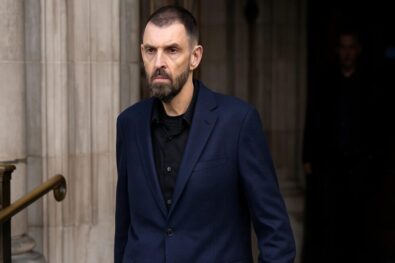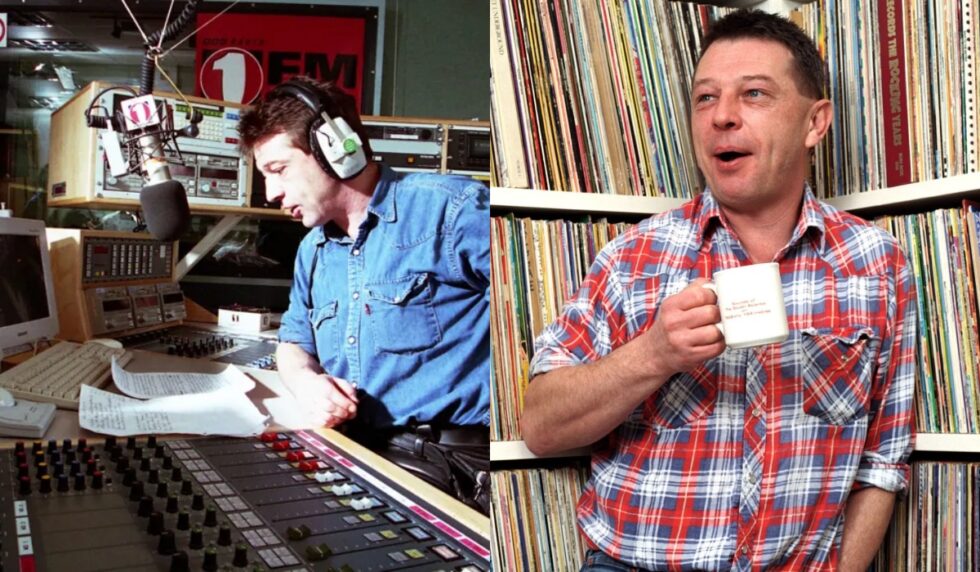
Andy Kershaw, the former BBC Radio 1 DJ, Live Aid presenter and globally recognised broadcaster, has died aged 66, his family confirmed, stating he passed away at around 19:30 BST on Thursday following a cancer diagnosis disclosed earlier this year, which had left him unable to walk. The veteran presenter, known for reshaping British radio through his advocacy of world music and frontline reporting from conflict zones, died after a career spanning decades across BBC platforms and international assignments, marking the end of a distinctive voice in British broadcasting, reported in the text by The WP Times via BBC.
His death follows months after it was publicly revealed in January that Kershaw had been diagnosed with cancer, a condition that significantly impacted his mobility, while he remained active in broadcasting through his podcast and continued engagement with audiences, underlining both his resilience and enduring relevance in media.
Who was Andy Kershaw: Radio pioneer, war reporter and global music advocate
Andy Kershaw was a British broadcaster whose career bridged music journalism and international reporting, making him one of the most unconventional figures in BBC radio history. He became widely known during his 15-year tenure at BBC Radio 1 between 1985 and 2000, where his eclectic programming introduced UK audiences to a wide spectrum of global sounds rarely heard on mainstream radio at the time.
His work extended beyond music, evolving into serious journalism with reports from conflict zones including the 1994 Rwanda Genocide and the Sierra Leone civil war in 2001.
Born in Rochdale in 1959, Kershaw studied at Leeds University before entering the media industry in the early 1980s, initially working at Radio Aire in Leeds as a promotions manager. His early career trajectory shifted rapidly after forming a professional relationship with presenter Martin Kelner and later being spotted while working as a roadie and driver for musician Billy Bragg, which led to his first major BBC opportunity.
Career milestones: From Radio 1 to Live Aid and global reporting
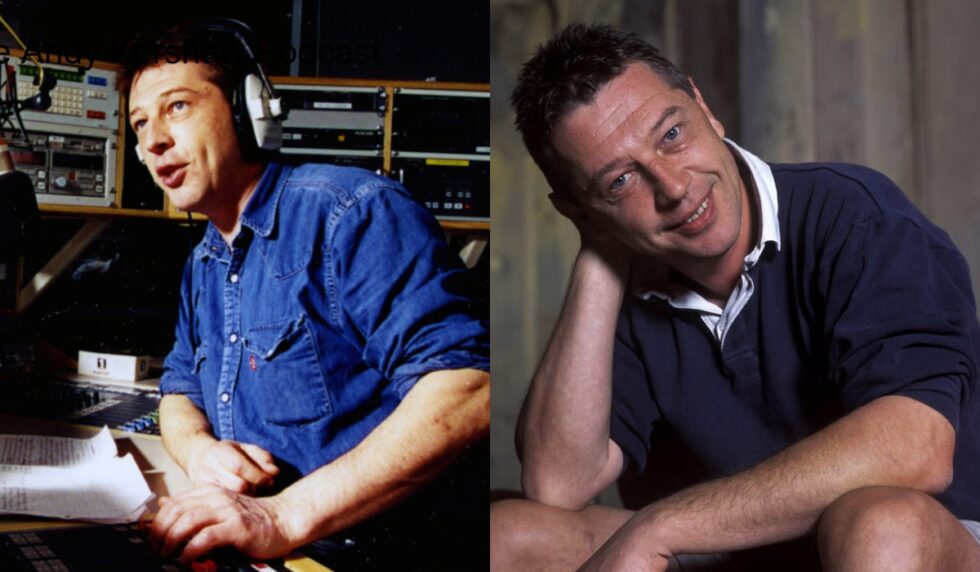
Kershaw’s breakthrough came in 1984 when he presented the BBC’s flagship music programme The Old Grey Whistle Test, positioning him within the UK’s core music broadcasting landscape. A year later, he became one of the BBC’s presenters for Live Aid, the landmark 1985 global concert organised by Bob Geldof and Midge Ure to raise funds for famine relief in Ethiopia, further cementing his public profile.
His Radio 1 career began in the summer of 1985, where he was seen by some as a potential successor to influential DJ John Peel. During his tenure, he built a reputation for curating sessions with major international artists, including Willie Nelson and Lou Reed, particularly during his later years at the station. However, in 2000, his weekly late-night programme was discontinued as part of a broader restructuring of the network’s schedule.
After leaving Radio 1, Kershaw transitioned into a more journalistic role with BBC Radio 4, contributing to programmes such as Today and reporting extensively from regions experiencing political instability. His work also extended to BBC Radio 3, where he continued to challenge conventional genre boundaries, undertaking musical explorations in countries including Iraq, Iran and North Korea.
Broadcasting philosophy and influence on world music
Kershaw was widely credited with bringing world music into mainstream British consciousness, often spotlighting artists and genres that had previously received little exposure. His approach to broadcasting was shaped by his mentor John Walters, whose philosophy emphasised discovery over audience expectation.
In his own words, Kershaw articulated this approach clearly:
"We're not here to give the public what it wants. We're here to give the public what it didn't know it wanted" — Andy Kershaw, reflecting on his broadcasting philosophy and influence from John Walters.
This editorial stance defined his programming style, distinguishing him from contemporaries and helping to broaden the cultural scope of UK radio.
Personal challenges and later career revival
Despite professional success, Kershaw’s career was punctuated by personal difficulties that led to a prolonged absence from broadcasting. In 2008, he was jailed for three months for breaching a restraining order related to his former partner and later received a suspended sentence for a further violation. These events temporarily halted his media work.
He returned to broadcasting in 2011 with a BBC Radio 3 series linked to Human Planet, titled Music Planet, co-presented with Lucy Duran. The programme involved travelling to remote regions to record local music, reinforcing his long-standing commitment to authentic global sound documentation.
That same year, he published his autobiography No Off Switch, detailing both his professional achievements and personal struggles, offering insight into a complex career shaped by both innovation and controversy.
In recent years, Kershaw continued working as a broadcaster, including launching his own podcast, maintaining a connection with audiences despite declining health. His cancer diagnosis, made public in January, marked a significant turning point, yet he remained publicly engaged and retained his characteristic humour.
In a statement following his diagnosis, he remarked:
"I am determined not to die before Benjamin Netanyahu, Vladimir Putin, Donald Trump and Ant' n 'Dec. That should keep me going for a while" — Andy Kershaw, commenting on his illness.
Kershaw’s death closes a chapter on a broadcasting career that defied conventional categorisation, spanning music, journalism and international reporting. His influence persists in the integration of world music into mainstream media and in a model of broadcasting that prioritised discovery, depth and global perspective.
Read about the life of Westminster and Pimlico district, London and the world. 24/7 news with fresh and useful updates on culture, business, technology and city life: Unexpected source of salt may be raising blood pressure for millions worldwide