

Artificial intelligence in Westminster is no longer a futuristic concept but a tangible force reshaping daily routines, local governance, and economic activity. From automated transport systems to AI-enhanced healthcare diagnostics, residents encounter algorithms in ways they often do not notice. Shops in Pimlico use predictive analytics for stock management, while schools deploy AI-driven tools to personalise education. Even local councils are experimenting with chatbots to streamline resident inquiries. These changes reveal how technology permeates ordinary lives while raising questions of privacy, transparency, and accountability. As noted by The WP Times, AI is becoming an invisible yet decisive player in the transformation of Westminster’s identity.
Artificial intelligence in public services
Public services in Westminster have been early adopters of AI, seeking efficiency gains in overstretched systems. Local councils employ AI chatbots to handle thousands of resident queries daily, freeing staff for more complex cases. Hospitals in central London integrate AI imaging analysis to detect early signs of cancer or cardiovascular diseases, reducing diagnostic times dramatically. Transport for London (TfL) has piloted predictive maintenance algorithms in buses and the Underground, helping to prevent costly breakdowns. AI also aids in social care, identifying patterns of vulnerability to allocate resources to elderly residents more effectively. Yet, these advantages are paired with ethical concerns over data privacy and algorithmic bias. Citizens are urged to stay informed about how their information is used in order to balance convenience with personal rights. The impact is visible across multiple layers of public life, signalling a permanent shift in the way Westminster delivers its core functions.
Examples of AI in Westminster’s public services:
- AI chatbots answering housing and benefits questions on council websites
- Predictive maintenance in the London Underground to reduce delays
- AI-based diagnostics at St Thomas’ Hospital and Guy’s and St Mary’s
- Smart cameras for traffic flow management in Westminster
- Predictive tools for resource allocation in elderly care
AI and the future of Westminster jobs
Employment in Westminster reflects the rapid expansion of AI across sectors, reshaping both opportunities and risks. Legal firms in the borough rely increasingly on AI-powered research assistants to scan thousands of documents within minutes. The financial sector, concentrated around Victoria and Westminster, uses machine learning to detect fraudulent transactions and to offer personalised investment strategies. Retail and hospitality businesses automate scheduling and customer support with AI tools, while creative industries integrate generative AI to produce initial drafts of campaigns. While such applications boost productivity, they also replace certain administrative roles, leaving employees to upskill in order to remain competitive. Westminster’s universities and colleges have begun offering reskilling programs in data literacy and AI ethics, ensuring that the workforce remains adaptive. The challenge lies in managing this transition without exacerbating inequalities in the borough’s diverse population. Policymakers stress that AI should augment human work rather than replace it entirely.
Key sectors impacted by AI employment in Westminster:
- Finance and banking
- Legal services
- Retail and e-commerce
- Healthcare
- Creative and media industries
AI in daily consumer life
For ordinary residents of Westminster, AI manifests most strongly in everyday consumer habits. Local supermarkets employ predictive algorithms to anticipate demand, minimising food waste and ensuring fresh products are always available. Delivery services across Pimlico and Victoria rely on route optimisation tools powered by AI to shorten delivery times, especially during rush hours. Restaurants and cafés use AI-enhanced loyalty apps to predict customer preferences and personalise offers. Smart home devices, from thermostats to voice assistants, are commonplace in Westminster households, learning daily routines to cut energy bills. Even libraries now integrate AI-driven recommendation systems for books and digital media. These applications contribute to convenience and cost savings, though they also raise concerns over data profiling. Residents are increasingly aware that with every digital interaction, AI learns and adapts. In this way, AI subtly changes purchasing habits, travel routines, and leisure activities in the heart of London.
Examples of AI in consumer life:
- Supermarket stock forecasting
- Food delivery route optimisation
- Café loyalty apps with predictive offers
- Smart home energy management
- Library recommendation systems
AI in local politics and governance
Westminster’s political institutions are experimenting cautiously with artificial intelligence to improve governance and civic engagement. AI platforms are tested to analyse large volumes of public consultation data, ensuring residents’ voices are processed more efficiently. City planners deploy AI to simulate the impact of urban developments, such as new housing estates or green zones, on traffic and air quality. Predictive policing systems, though controversial, have been piloted in some parts of London to allocate patrols based on crime data patterns. AI translation tools assist councillors in engaging with Westminster’s international communities, which represent over 40% of residents. Campaign strategists for local elections also use AI sentiment analysis on social media to refine their messages. Despite these innovations, public scepticism persists, with critics demanding clearer accountability for algorithmic decisions. As AI tools become integral to governance, Westminster faces the test of balancing innovation with transparency.
AI applications in Westminster’s governance:
- Analysis of public consultations
- Urban planning simulations
- Predictive policing tools
- AI-assisted translation for councillor communications
- Election campaign sentiment analysis
Education and AI in Westminster schools
Schools and universities in Westminster integrate artificial intelligence not only as a teaching subject but as a daily tool for learning. Secondary schools use AI platforms to personalise assignments, identifying students who need extra support. Teachers benefit from automated grading systems, which free time for classroom interaction. Language learning apps with AI capabilities are widespread, helping Westminster’s multicultural student population improve English skills faster. Universities in Westminster, including the University of Westminster itself, run specialised AI ethics and computer science programmes, feeding skilled graduates into London’s technology sector. At the same time, schools debate ethical boundaries: should AI be allowed to write essays, or should it remain a supplementary guide? Parents are increasingly involved in discussions about screen time, privacy, and responsible digital behaviour. The integration of AI in education shows how institutions balance innovation with traditional values of human mentorship. As adoption grows, Westminster is becoming a showcase of educational transformation through technology.
AI in Westminster education:
- Personalised assignments in secondary schools
- Automated grading systems
- AI language learning apps
- University courses in AI ethics
- Parental engagement in AI debates
AI healthcare innovations
Healthcare remains one of the most transformative areas for AI in Westminster. Hospitals deploy machine learning to analyse patient scans, cutting waiting times and improving early detection rates. Wearable devices, linked to AI monitoring systems, alert doctors in real-time to irregularities in heart rate or blood sugar. Pharmacies in Victoria and Paddington test AI stock systems to ensure vital medicines are always available. Mental health services also employ chatbots as first-line support, offering discreet advice and directing patients to human therapists when needed. The NHS AI Lab, based in London, collaborates with Westminster facilities to pilot cutting-edge technologies such as predictive analytics for patient flow management. Yet challenges remain: the cost of implementation is high, and scepticism persists among older patients. Local authorities highlight the importance of combining human empathy with machine efficiency. Residents increasingly experience a hybrid model of care, where AI supports but does not replace the doctor-patient relationship.
AI in healthcare examples:
- AI diagnostic imaging
- Wearable health monitoring
- Pharmacy stock automation
- Mental health chatbots
- NHS AI Lab innovations
Challenges of AI ethics and transparency
The integration of AI into Westminster life brings undeniable benefits but also significant ethical dilemmas. Questions arise over who owns the vast amounts of personal data collected through AI systems in transport, healthcare, and retail. Transparency is another key issue, as many residents feel uncomfortable with “black box” decision-making by algorithms. Westminster policymakers are therefore drafting local frameworks that demand explainability in AI processes. Universities in the city host debates on AI bias, where examples of discriminatory outcomes in recruitment or policing are discussed. Businesses face pressure to adopt “responsible AI” principles, particularly those that serve vulnerable populations. Civil rights groups argue that citizens must be given stronger rights to opt out of algorithmic profiling. Westminster’s future with AI depends on balancing efficiency with fairness, ensuring that technology serves all communities equally. Only through public dialogue can trust be maintained in these rapidly evolving systems.
Key ethical issues raised by AI:
- Data ownership and privacy
- Algorithmic transparency
- AI bias in recruitment and policing
- Responsible AI principles in business
- Citizen rights to opt out
Costs and investments in AI across Westminster
AI transformation in Westminster is not cost-free; it requires significant investment by both public and private sectors. Local councils allocate millions annually for smart infrastructure projects, including traffic optimisation systems. Hospitals spend heavily on AI-based imaging and monitoring equipment, with devices costing from £10,000 to £150,000 per unit. Universities in Westminster receive government and corporate funding for AI research, with annual grants exceeding £20 million. Businesses, from large law firms to small cafés, invest in subscription-based AI services, ranging from £50 per month for chatbots to £1,000 per month for predictive analytics. These figures underline the scale of economic restructuring driven by AI adoption. The borough also attracts foreign investment, with technology firms setting up pilot projects in London’s political heart. For residents, the costs translate into improved services but also higher expectations of transparency. The future trajectory depends on whether these investments deliver long-term social value.
Approximate AI investment costs in Westminster:
| Sector | Investment Range | Example Tools |
|---|---|---|
| Healthcare | £10k–£150k/unit | Imaging, monitoring devices |
| Education | £500–£5k/school | AI learning platforms |
| Businesses | £50–£1,000/mo | Chatbots, predictive analytics |
| Research | £20m+/year | Government & corporate AI funding |
| Public Sector | £2m–£10m/year | Smart traffic and council projects |
Everyday benefits and risks for residents
For Westminster residents, AI is both a practical helper and a source of anxiety. On the positive side, AI makes healthcare more accessible, reduces transport delays, and improves shopping experiences. Homeowners save energy costs thanks to AI-optimised heating, while workers benefit from AI productivity tools. Yet risks remain: data breaches, over-surveillance, and potential job displacement top the list of concerns. Residents must adapt to this duality, enjoying convenience while remaining vigilant. Civic organisations in Westminster organise seminars to educate citizens about digital rights and cybersecurity. Schools run workshops teaching children how AI works, ensuring the next generation grows up critically aware. Businesses are advised to disclose their AI use openly, building trust with their customers. The combination of benefits and risks shapes the identity of Westminster as a borough that embraces technology without losing sight of human values.
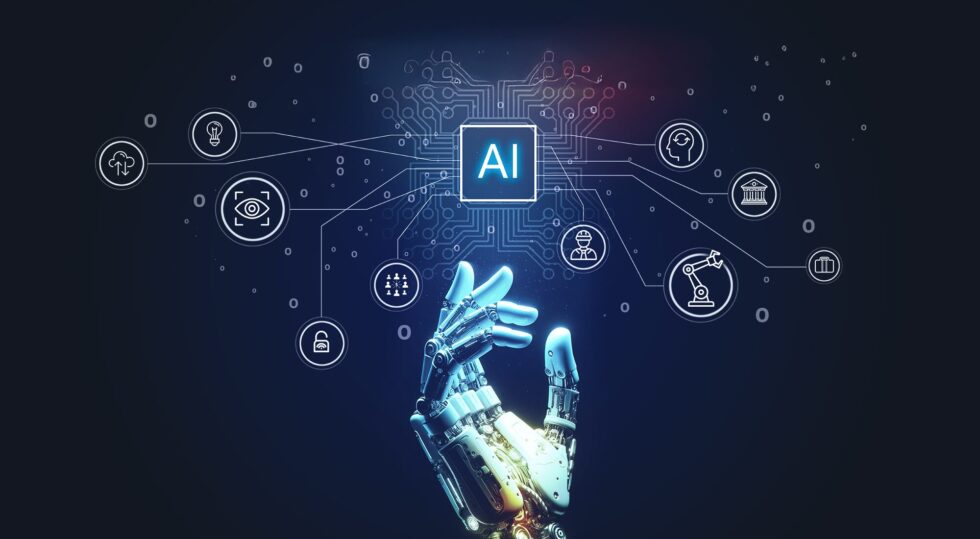
Main benefits and risks for residents:
- Faster healthcare and improved diagnostics
- Reduced transport delays
- Cheaper energy bills at home
- Risk of data breaches
- Concerns over surveillance and jobs
Artificial intelligence in Westminster is no longer confined to policy documents or research labs; it is part of the streets, schools, hospitals, and homes. The borough has become a living laboratory where innovation meets tradition, shaping a future that is both promising and uncertain. For residents, AI brings faster healthcare, smoother transport, and smarter services, but also questions about fairness, privacy, and control. The daily coexistence with algorithms demands critical awareness as much as it offers convenience. Westminster stands as a microcosm of how AI will define European cities in the coming decade: practical, disruptive, and impossible to ignore.
Read about the life of Westminster and Pimlico district, London and the world. 24/7 news with fresh and useful updates on culture, business, technology and city life: Brexit and London Property: How Prices Changed in Westminster