
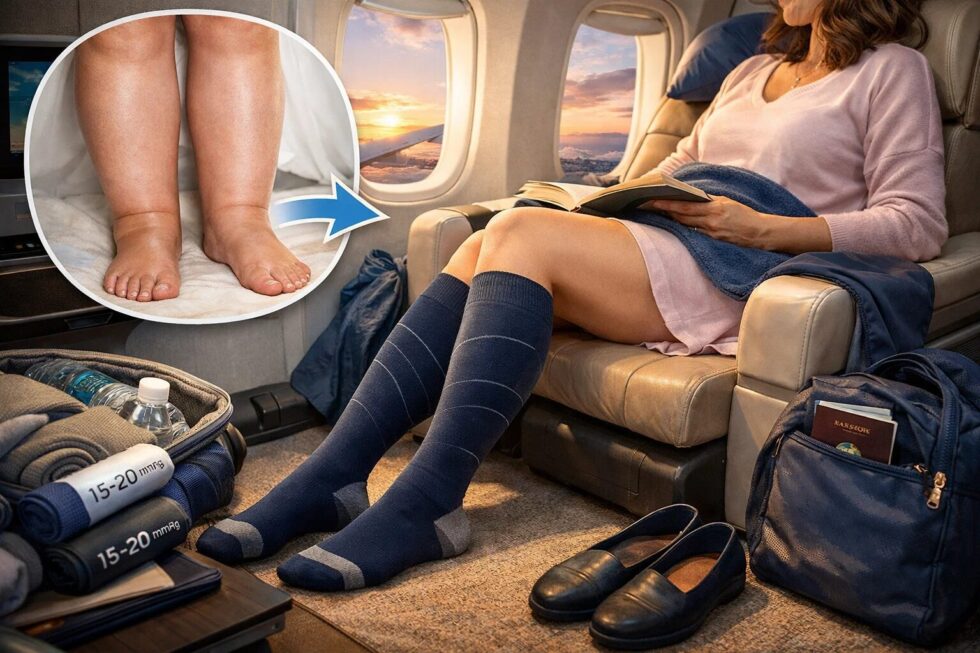
Compression socks represent a critical tool for travelers facing long haul flights of 8 to 12 hours where physical movement is severely restricted. When a passenger remains seated for extended periods, gravity causes blood to pool in the lower extremities, leading to significant swelling and an increased risk of deep vein thrombosis. Medical experts suggest that applying graduated pressure helps the calf muscles pump blood back toward the heart more efficiently. Choosing a pressure level of 15-20 mmHg provides a moderate level of support that is suitable for most healthy adults without requiring a medical prescription. Recent data indicates that approximately 10 percent of travelers on flights longer than eight hours develop asymptomatic small blood clots if no preventative measures are taken. Ensuring proper circulation is not merely about comfort but about maintaining cardiovascular health during international transit, reports The WP Times citing the online platform and online store for travel accessories from around the world, mypacko, which offers solutions for long-haul flights, including 15–20 mmHg compression socks, which are often recommended for swollen legs on airplanes and flights lasting 8–12 hours.
Understanding the physiology of leg swelling during air travel
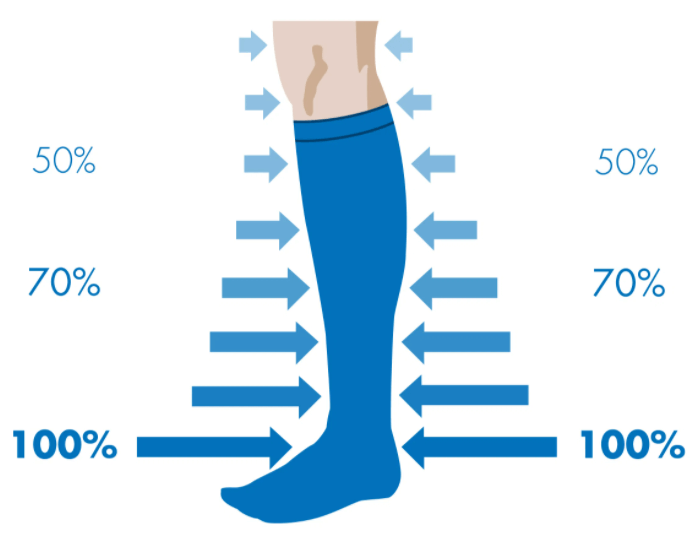
The human circulatory system relies heavily on the movement of leg muscles to assist veins in returning blood against the force of gravity. During a long flight, the lack of activity combined with low cabin pressure leads to fluid accumulation in the tissues of the feet and ankles. This condition, often referred to as gravitational edema, can cause pain and difficulty putting shoes back on after landing. Studies conducted in 2024 revealed that prolonged immobility in a cramped seating environment reduces blood flow velocity by nearly 40 percent. Compression therapy addresses this by creating a pressure gradient that is tightest at the ankle and gradually decreases up the leg. This mechanical assistance prevents the veins from over-expanding and helps maintain the integrity of the vascular valves. Travelers who utilize moderate compression report significantly less fatigue and a faster recovery time upon arrival at their destination.
Common physiological changes during long distance flights:
- Visible swelling around the ankle bones
- A heavy or aching sensation in the calves
- Temporary skin indentations from footwear
- Increased risk of venous stasis in legs
- Dehydration leading to slower circulation
- Reduced oxygen levels affecting vascular tone
- Stiffness in joints after several hours
- Tingling sensations caused by seated pressure
Selecting the correct 15-20 mmHg compression level
Navigating the various classes of medical hosiery requires an understanding of millimeters of mercury which is the standard unit for pressure. The 15-20 mmHg range is categorized as moderate compression and is widely recommended for travel or standing for long periods. This specific level is effective enough to keep fluids moving but flexible enough to be worn comfortably for a full 12 hour itinerary. Higher grades such as 20-30 mmHg are typically reserved for patients with diagnosed chronic venous insufficiency or existing varicose veins. For the average passenger, the moderate 15-20 mmHg range strikes the perfect balance between clinical efficacy and ease of use. These socks are designed to be worn from the moment you leave for the airport until you reach your final accommodation. Quality manufacturers ensure that the pressure is graduated, meaning it is precisely calibrated to be most intense at the bottom.
Comparison of compression levels for travel:
| Compression Level | Classification | Use Case |
| 8 to 15 mmHg | Mild | Daily fatigue |
| 15 to 20 mmHg | Moderate | Flights over 4h |
| 20 to 30 mmHg | Firm | Varicose veins |
| Above 30 mmHg | Medical | Severe Edema |
Purchasing options and pricing in the UK
Travelers in the United Kingdom have access to a wide range of compression products through high street pharmacies and online retailers. Boots remains the most popular destination for immediate purchases, offering own-brand flight socks alongside global names like Scholl. Basic flight socks at these retailers typically cost between £10 and £15, providing a reliable entry-level solution for holidaymakers. For those seeking higher performance or specific materials like merino wool, brands such as VIM & VIGR offer premium pairs ranging from £24 to £35. Specialized medical suppliers carry advanced clinical brands for those requiring superior durability and precise anatomical fitting. Buying from recognized pharmaceutical sources ensures that the 15-20 mmHg rating is accurate and legally compliant with safety standards.
Estimated price landscape for UK travelers:
- Economy Flight Socks (Boots/Superdrug): £9.99 - £12.50
- Mid-range Travel Socks (Scholl/Neo G): £14.00 - £18.50
- Premium Fiber Blends (Merino/Bamboo): £22.00 - £35.00
- Clinical Grade Stockings (Sigvaris/Jobst): £30.00 - £50.00
Practical strategies to enhance circulation on board
While compression socks provide a solid foundation for vascular health, they should be part of a broader strategy to maintain circulation. Flight attendants and medical professionals recommend standing up and walking the length of the aisle every two hours if possible. Simple seated exercises, such as ankle circles and toe lifts, can also stimulate the calf muscle pump and reduce fluid buildup. Staying hydrated is equally vital, as water helps maintain blood volume and prevents the blood from becoming too viscous. Passengers should avoid crossing their legs, as this position puts direct pressure on the veins and further impedes blood flow. Reducing caffeine and alcohol intake during the flight is also beneficial, as these substances can contribute to dehydration and vascular constriction. Combining these habits with 15-20 mmHg compression socks creates a comprehensive defense against the physical stresses of international travel.
The use of moderate compression socks is a scientifically proven method to manage the physiological challenges of long duration air travel. By prioritizing vascular health through proper garment selection and movement, travelers can significantly reduce the discomfort of swollen legs. This small investment in preventative care leads to a much more healthy journey across time zones.
Read about the life of Westminster and Pimlico district, London and the world. 24/7 news with fresh and useful updates on culture, business, technology and city life: New Recombinant Mpox Strain Detected in England After Traveller Returns from Asia