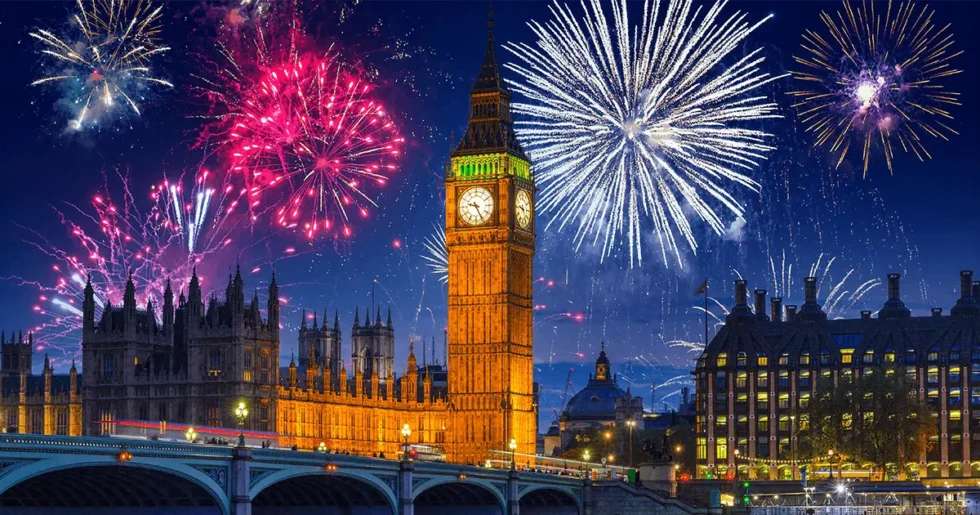
British traditions and holidays have long been a cornerstone of the nation's identity, woven into the fabric of daily life and celebrated with a unique blend of solemnity and festivity. From ancient pagan rituals to the grandeur of royal ceremonies, these customs reflect a rich and complex history that has shaped the country's culture. However, in the 21st century, these traditions are not static relics of the past; they are dynamic, evolving phenomena that adapt to modern social, political, and cultural changes. Globalization, multiculturalism, and technology have all influenced how these long-standing practices are observed and understood. Many old customs are being reinterpreted, while new traditions are simultaneously being forged, creating a vibrant tapestry of contemporary British life. The way Britons celebrate today reveals a great deal about their values and their vision for the future, highlighting a society that cherishes its heritage while embracing progress. The ongoing transformation of these celebrations showcases Britain's ability to maintain its unique character, as observed by the editors of The WP Times.
The Monarchy and Royal Traditions
The British monarchy remains a central figure in the nation's traditions, with royal events serving as key moments of national identity and public celebration. Ceremonies like the annual Trooping the Colour, the monarch's official birthday parade, draw massive crowds and international attention, blending military pageantry with royal spectacle. The State Opening of Parliament, a formal and highly symbolic event, marks the start of the parliamentary year and is steeped in centuries of tradition. Royal weddings, jubilees, and funerals are also major national events, broadcast globally and watched by millions. These traditions provide a sense of continuity and stability in a rapidly changing world, acting as unifying forces that bring people together from all walks of life. While their formal purpose remains, the way the public engages with them has shifted, with social media playing a huge role in commentary and global participation. These events are no longer just for those in attendance but are shared experiences for a digital audience.
The Evolution of Royal Events
Royal events have undergone a significant transformation to remain relevant in the modern age. The monarchy has become more accessible to the public, moving away from a purely formal and distant institution. The use of social media platforms, like Instagram and Twitter, allows the Royal Family to communicate directly with citizens, sharing behind-the-scenes glimpses and personal messages. The events themselves have also become more inclusive; for example, invitations to royal weddings now often include members of the public and representatives from charities and diverse communities. This shift reflects a conscious effort to modernise the monarchy's image and ensure its traditions resonate with a contemporary, diverse society. The pageantry and formality are still present, but they are now balanced with a more human and relatable approach that connects with a wider audience. The changing nature of these events shows a monarchy that is adapting to stay relevant.
List of Key Royal Traditions and Their Modern Context:
- Trooping the Colour: Annual parade celebrating the monarch's birthday, now a major tourist event with live global broadcasts.
- The State Opening of Parliament: A formal, symbolic event, now livestreamed and debated on social media.
- Royal Weddings: Global media spectacles, incorporating modern touches and public participation.
- Royal Funerals: Solemn national events, adapted to reflect modern values and often televised for public mourning.
The monarchy's role as a symbol of national unity is strengthened by its ability to evolve and embrace a modern context. While critics may question the cost and relevance of these traditions, their enduring popularity suggests they hold a deep cultural significance for many Britons. They serve as a powerful link to the past, reminding people of their shared history and heritage. At the same time, the willingness to adapt shows a forward-looking institution that understands the importance of inclusivity and public engagement. This balance of tradition and modernity is key to the monarchy's continued place in British life. They are no longer simply formal occasions but are part of a broader national conversation.
Seasonal Celebrations: Adapting to Modern Life
Seasonal celebrations in Britain, such as Christmas, Easter, and Bonfire Night, have deep historical roots but are now observed with significant modern influences. Christmas has evolved from a religious holiday into a major commercial and family-oriented event, where gift-giving and festive meals are as central as church services. Easter, while retaining its religious importance, is now widely associated with chocolate eggs and school holidays. Bonfire Night, which commemorates the Gunpowder Plot, has transformed from a political statement into a community celebration with fireworks displays and bonfires. The way people celebrate these events is heavily influenced by consumer culture and social media, which provides new ways to share moments and engage with others. The traditions are still there, but their meaning and focus have shifted towards broader social and commercial contexts, reflecting the changing priorities of modern society.
The Commercialisation of Christmas
Christmas in Britain has undergone a profound transformation, becoming the most significant event in the retail calendar. The tradition of gift-giving, once a small and personal act, has grown into a multi-billion-pound industry. The festive season now begins as early as October, with advertisements for gifts, food, and decorations filling media channels. Large department stores compete to create the most enchanting window displays and tear-jerking Christmas advertisements, which have become a tradition in their own right. This commercialisation has led to a focus on consumption, but it has also created new rituals, such as the annual viewing of a beloved Christmas advert or the communal shopping experience. Families spend vast sums on presents and food, and the holiday period is a time for family gatherings and festive indulgence. Despite this commercial shift, the core family traditions of shared meals and time together remain at the heart of the celebration.
| Traditional Holiday | Historical Context | Modern Adaptation |
| Christmas | Celebrates the birth of Jesus Christ | Major consumer holiday with a focus on family, food, and gifts |
| Easter | Commemorates the resurrection of Christ | Widely celebrated with chocolate eggs, hot cross buns, and school holidays |
| Bonfire Night | Commemorates the failure of the Gunpowder Plot | A community event with large public fireworks displays and bonfires |
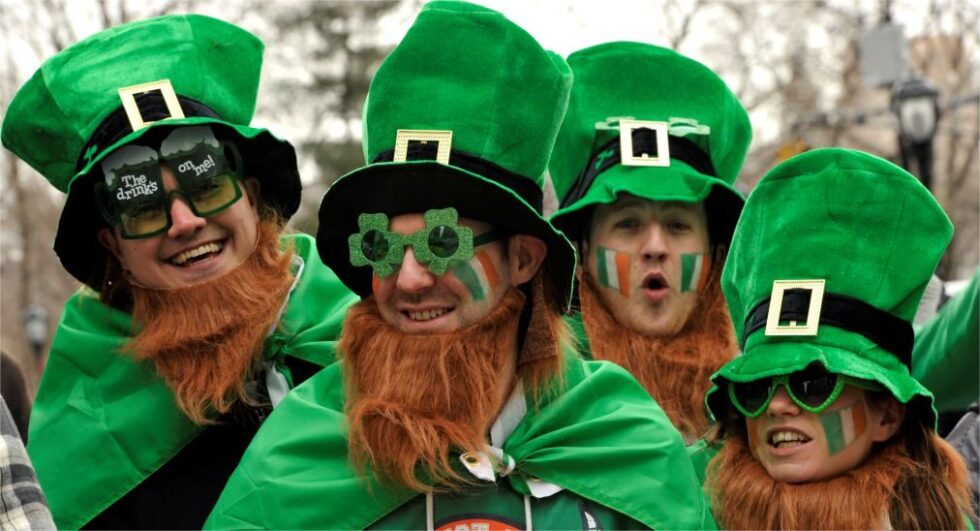
| St. Patrick's Day | Celebrates the patron saint of Ireland | A widespread festival of Irish culture, celebrated with parades and pub gatherings in major cities |
The evolution of these holidays demonstrates how ancient traditions can be revitalised and made relevant for new generations. The commercial and social changes have created new ways for people to connect and celebrate, even if the original meanings have faded for some. They provide a vital rhythm to the year, marking the changing seasons and offering opportunities for rest and celebration. The ability of these traditions to adapt and absorb new influences is a key reason for their enduring popularity. They are a powerful reminder of how a society's values and priorities can shift over time.
Public Holidays and Community Festivals
Public holidays in Britain, known as Bank Holidays, are a modern tradition that provides a much-needed break from work and an opportunity for leisure and family time. Unlike many historical traditions, Bank Holidays are a relatively recent invention, established by an Act of Parliament in the 19th century. They have since become deeply ingrained in British culture, with people using the long weekends for travel, gardening, and social gatherings. Beyond these formal holidays, Britain is home to a vast number of community festivals that reflect its multicultural character. The Notting Hill Carnival in London, for example, is a vibrant street festival that celebrates Caribbean culture and is one of Europe's largest annual events. Similarly, local festivals dedicated to food, music, and art take place across the country, highlighting the diverse cultural traditions that now coexist within the nation.
Notting Hill Carnival and Multiculturalism
The Notting Hill Carnival is a perfect example of a modern tradition that has grown out of the UK's diverse population. Originating in the 1960s as a way for the Caribbean community to celebrate their culture and address racial tensions, it has grown into a massive annual street party that attracts millions of visitors. The Carnival is a vibrant display of music, dance, food, and colourful costumes, celebrating both Caribbean heritage and the multicultural identity of London. While it is a relatively new tradition compared to others, its deep cultural significance and its role in fostering community and pride are undeniable. It showcases how a new tradition can become a permanent fixture in the nation's calendar, reflecting the ongoing process of cultural integration and celebration. It is a powerful symbol of a modern, diverse Britain.
Major Community and Public Events:
- Bank Holidays: National days off for leisure and travel.
- Notting Hill Carnival: Annual street festival celebrating Caribbean culture.
- Guy Fawkes Night: Community bonfires and fireworks displays.
- St. George's Day: Celebrations of England's patron saint, with events and parades.
- Glastonbury Festival: Iconic music and arts festival, a modern cultural tradition.
The rise of these new traditions highlights Britain's evolving identity as a multicultural and diverse nation. They provide platforms for different communities to celebrate their heritage and share it with a wider audience. This process of cultural exchange enriches society and creates a more inclusive and tolerant environment. While there may be a tendency to focus on historical traditions, these modern celebrations are just as vital to understanding contemporary British life. They show a society that is not only looking to its past but is also actively creating new traditions for the future.
A Final Word on Your Choice
The traditions and holidays of Great Britain are a fascinating mix of ancient customs and modern interpretations. They reflect a society that is in a constant state of evolution, where historical rituals coexist with new, culturally diverse celebrations. The way these traditions have adapted to a globalised and interconnected world shows their resilience and enduring appeal. Whether it's the ceremonial grandeur of the monarchy, the commercial vibrancy of Christmas, or the community spirit of a modern festival, these events serve to connect people and provide a shared sense of identity. They are not merely relics of the past but are living, breathing aspects of contemporary British life. The future of these traditions will continue to be shaped by the values and priorities of a dynamic and diverse population.
Read about the life of Westminster and Pimlico district, London and the world. 24/7 news with fresh and useful updates on culture, business, technology and city life: British Culture: A Guide for Tourists and Newcomers. What to Know About Traditions.