
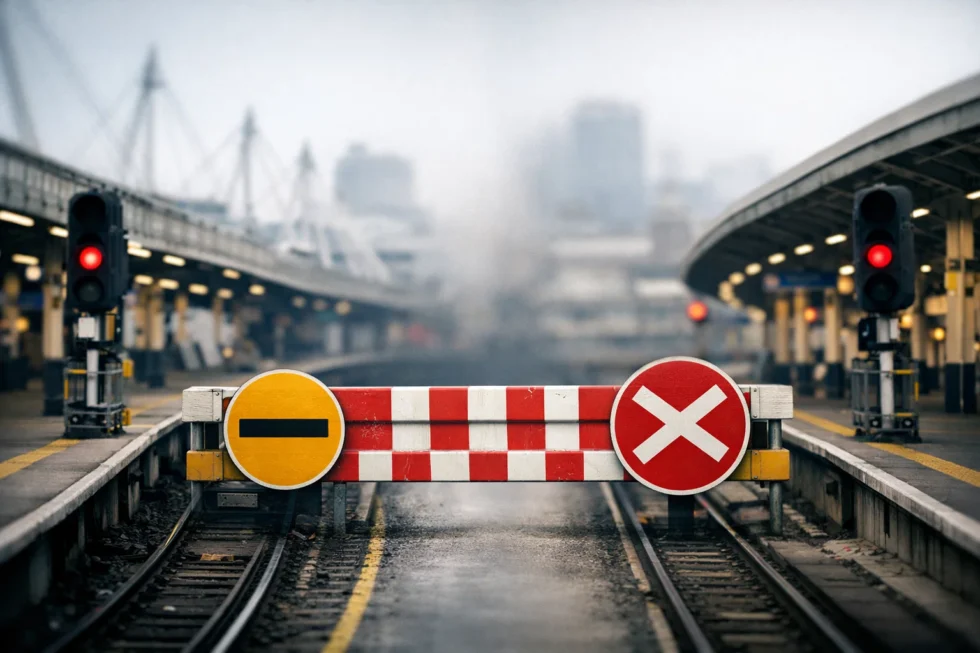
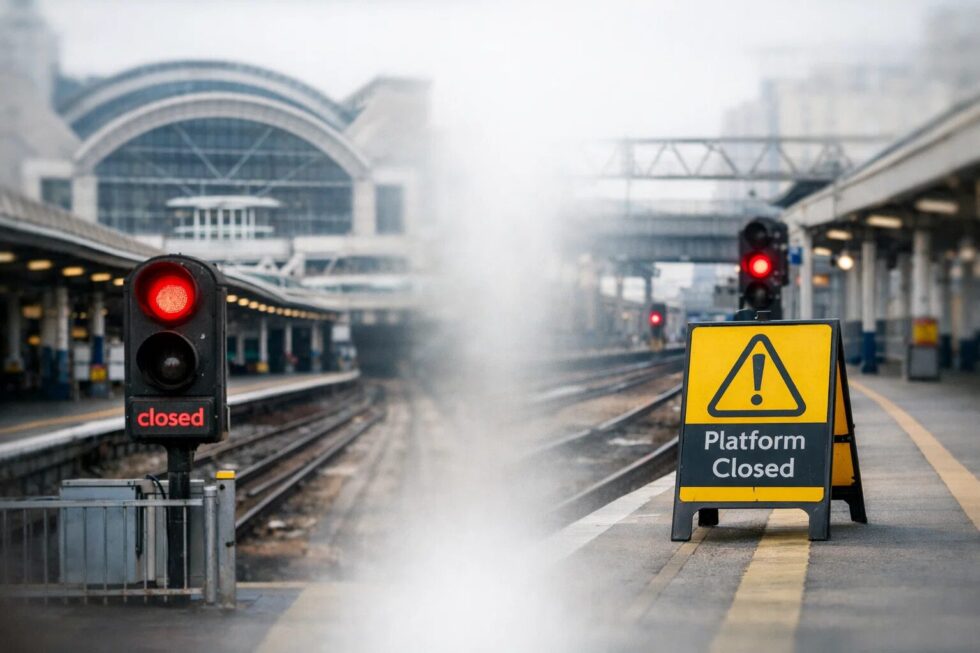
This summer, Charing Cross and Waterloo East stations will close for 22 days from 26 July to 16 August 2026 so that major track upgrades and infrastructure improvements can be completed – a substantial programme designed to make critical rail links safe, reliable and future‑proof. During this closure period, routes into London will remain open, and trains will continue to run, but journey patterns will be significantly altered, with services diverted and some journeys taking longer than usual. Passengers are being advised to plan ahead and take account of changes to normal travel patterns, alternative routes and ticket acceptance arrangements that will be in place. This is reported by The WP Times, via southeasternrailway.
Overview of the Closure and Strategic Purpose
The closure of Charing Cross and Waterloo East stations for 22 days between late July and mid‑August 2026 is part of a coordinated engineering and infrastructure programme to overhaul deteriorating track, improve drainage, strengthen critical bridges, and upgrade other elements of the rail corridor.
This intervention is crucial because the existing track was last fully renewed in the early 1990s and has shown increasing unreliability in recent years, contributing to hundreds of hours of delays.
The targeted period — the UK summer school holidays — was chosen because commuter traffic is typically lower, reducing overall disruption while enabling efficient, concentrated delivery of essential works.
Key Dates and Operational Window
The full closure runs from:
- Sunday 26 July 2026
- Through Sunday 16 August 2026
No Southeastern services calling at the two stations will run in or out of them during this time, although routes into London will be maintained via other stations.
Preparatory and follow‑up work may occur outside these dates as part of the broader project handling but will not require station closure.
Why a Continuous 22‑Day Closure
Before settling on a single 22‑day programme, rail planners and timetable specialists considered other delivery options:
- Weekend‑only working across approximately 60 weekends over 14 months — rejected due to prolonged disruption and complexity.
- Four separate 9‑day closures spread over 10–16 months — would have caused repeated interruptions for commuters, businesses and schools.
A continuous closure is deemed the most efficient and least disruptive method, particularly given the effectiveness of concentrated engineering access and the typically reduced passenger volumes in late summer.
Engineering Works Being Carried Out
The core scope of work during the closure includes but is not limited to:
Track and Infrastructure Replacement
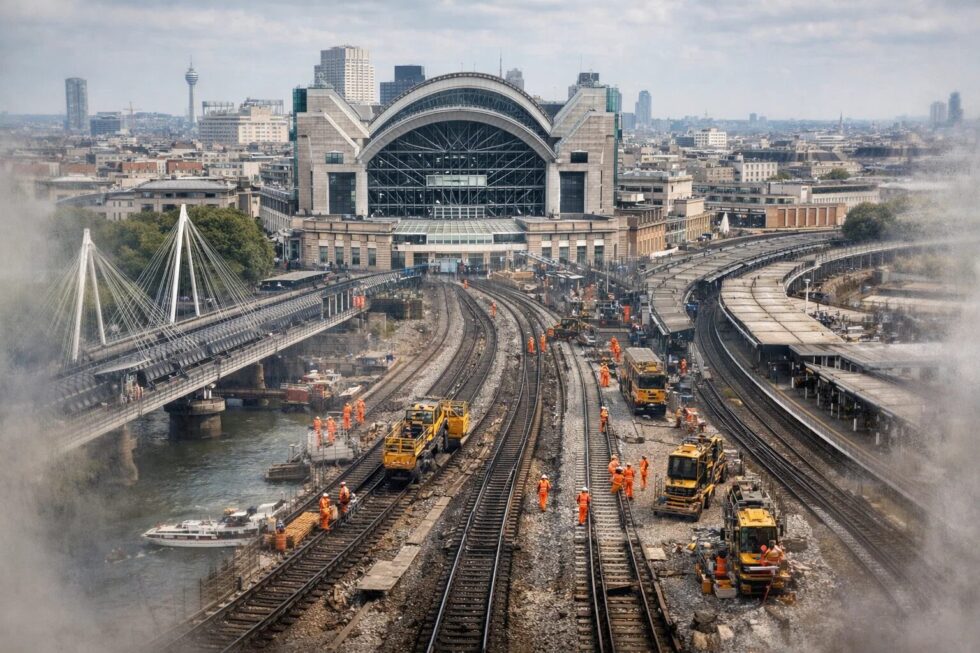
Engineers will strip out approximately 1,800 metres of life‑expired track and switches between Waterloo East and Charing Cross and replace it with newly aligned, modern components. This is the centrepiece of the programme given the age and unreliability of the existing infrastructure.
Drainage Upgrades
Drainage at Waterloo East station will be upgraded to improve water management and prevent future issues that can compromise track integrity and safety.
Structural Bridge Repairs
Hungerford Bridge — the railway bridge spanning the River Thames — will receive critical structural repairs to extend its service life and ensure long‑term stability.
Additional Improvement Work
Additional tasks will be integrated into the closure where possible to maximise the benefits and reduce future disruption.
How Travel Will Be Managed During the Closure
Although stations will be closed, routes into London will remain operational, and Southeastern, Network Rail and transport partners are implementing a range of mitigations to keep passengers moving.
Diversions and Alternative Termination Points
Services ordinarily calling at Charing Cross will be diverted to:
- London Victoria
- London Cannon Street
- London Blackfriars
- Some services will terminate at London Bridge
Passengers should expect changes to routing and longer journey times.
Ticket Acceptance on Alternative Routes
To support travel flexibility:
- Tickets ordinarily valid for Southeastern routes into Charing Cross will be accepted on specified alternative rail routes.
- London Underground services will accept these tickets where indicated.
- London buses will also participate in ticket acceptance programmes.
Non‑Rail Options
Travel providers will promote walking, cycling and accessible transport alternatives to help complete journeys where feasible.
Passenger Planning and Support
Both Southeastern and Network Rail have emphasised that clear travel guidance will be published and updated across multiple channels in advance of and throughout the closure.
Regular announcements, digital updates, printed timetables and station signage will reflect real‑time changes.
Customer support teams and transport partners are preparing engagement initiatives to assist passengers with route planning, ticketing questions and accessible travel needs.
Expected Passenger Impacts
The closure is anticipated to affect large volumes of passengers, particularly those who rely on Charing Cross and Waterloo East as primary London terminals. Independent estimates suggest that thousands of passengers travel through these stations daily for commuting, leisure and business purposes.
Journey times into central London may be extended, especially during peak periods.
Passengers unfamiliar with alternative stations such as London Victoria, Cannon Street and London Blackfriars should allow additional transfer time and consult travel planners well in advance.
Long‑Term Benefits of the Upgrade
Although the project presents short‑term disruption, the long‑term advantages are clear:
- Enhanced safety through replacement of worn track and upgraded infrastructure.
- Improved reliability, reducing delays caused by track faults that have accrued in recent years.
- Better drainage and structural resilience, lowering the likelihood of weather‑related or infrastructure‑driven service issues.
- Minimised future closure needs, with a consolidated set of works reducing the necessity for repeated cancellations or partial closures.
Comparison of Delivery Options
| Delivery Option | Duration | Passenger Impact | Cost & Complexity | Disruption Pattern |
|---|---|---|---|---|
| 22‑Day Continuous Closure | 22 days | Concentrated disruption | Lower complexity | Short, intense disruption |
| Weekend‑Only Closures | ~60 weekends | Prolonged and repeated | High complexity | Long term |
| Four 9‑Day Blocks | 10–16 months | Fragmented disruption | Moderate | Extended spikes in impact |
This table summarises why the single continuous closure was chosen over alternatives.
Practical Travel Tips for Affected Passengers
- Plan your alternative route early: Use route planners to identify optimal transfers and interchange stations.
- Allow extra travel time: Journeys via diverted routes are likely to take longer.
- Check station access details: Alternative stations such as London Blackfriars and Victoria offer different amenities and connections.
- Leverage ticket acceptance across networks: Save time by using Underground and bus options where available.
- Monitor real‑time updates: Follow Southeastern and Network Rail announcements for schedule changes.
The closure of Charing Cross and Waterloo East stations for 22 days in summer 2026 represents a significant engineering effort to upgrade ageing infrastructure and improve the long‑term performance and reliability of London’s rail network. While journeys will be disrupted and patterns changed, comprehensive planning, alternative routing and ticket acceptance arrangements aim to keep people moving. Passengers are encouraged to prepare well in advance, understand alternative travel options and make informed choices to minimise inconvenience.
Read about the life of Westminster and Pimlico district, London and the world. 24/7 news with fresh and useful updates on culture, business, technology and city life: UK Increasingly Refuses Asylum to Ukrainian Families, Advises Return to Ukraine or “Safe” Zones