
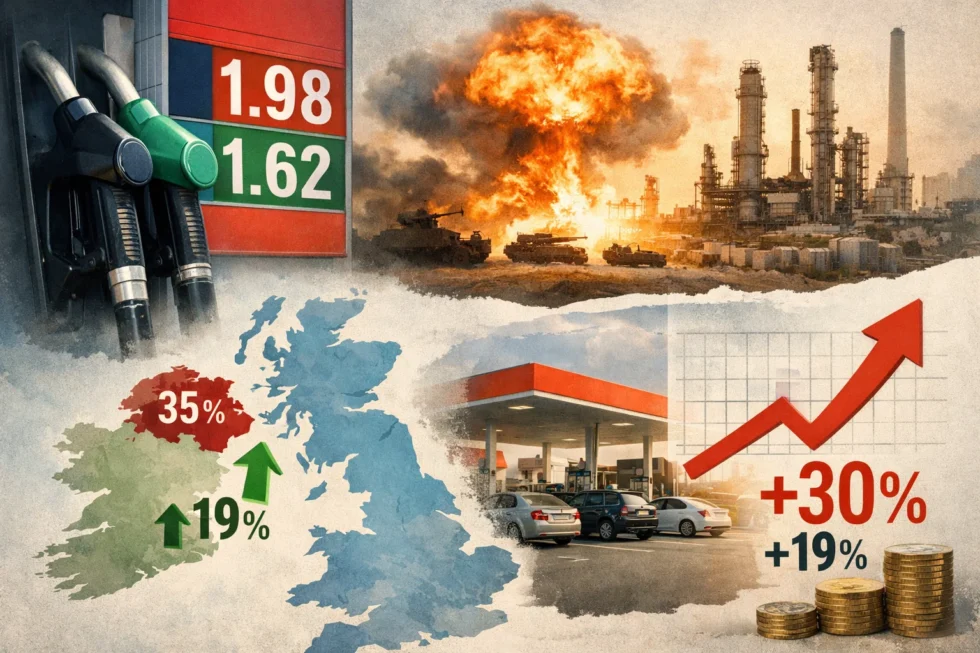
Diesel prices across the UK have risen sharply since the escalation of the Iran conflict, with Northern Ireland recording the steepest increases. Official data shows diesel costs there have increased by up to 35% since late February, while petrol prices have risen by 19%, narrowing regional price differences, The WP Times reports, citing BBC News.
The cost of filling a 50-litre tank has increased significantly within weeks. In Northern Ireland, diesel now averages around £91 per tank, compared with £67 on 28 February, when US-Israeli airstrikes on Iran began. Petrol has risen from £63 to approximately £75 over the same period. Across the UK, diesel prices have increased by around 30% since the start of the conflict, reaching an average of about 185p per litre. Petrol prices have risen by approximately 16% to around 154p per litre. Data indicates diesel has increased by roughly 43p per litre since late February, compared with around 22p for petrol.
Northern Ireland has traditionally had some of the lowest fuel prices in the UK due to stronger competition and supply links with the Republic of Ireland. Although prices remain lower than in many other regions, the gap has narrowed as increases there have outpaced the national average.
In England, the north has recorded the sharpest regional increases. Petrol prices have risen to around 154p per litre, up from approximately 132p at the start of the conflict. In rural parts of England and Scotland, some petrol stations are charging between 180p and 210p per litre.Retail prices vary between operators. Shell forecourts are charging an average of around 158p per litre for standard unleaded petrol, while BP and Esso sites average about 157p and 155p respectively. Prices are set by individual retailers based on wholesale costs, local competition and operating margins.
Despite rising prices, industry bodies and government officials say fuel supply remains stable. Some supermarket petrol stations in Northern Ireland temporarily closed pumps over the weekend, but this has been linked to increased demand rather than shortages.
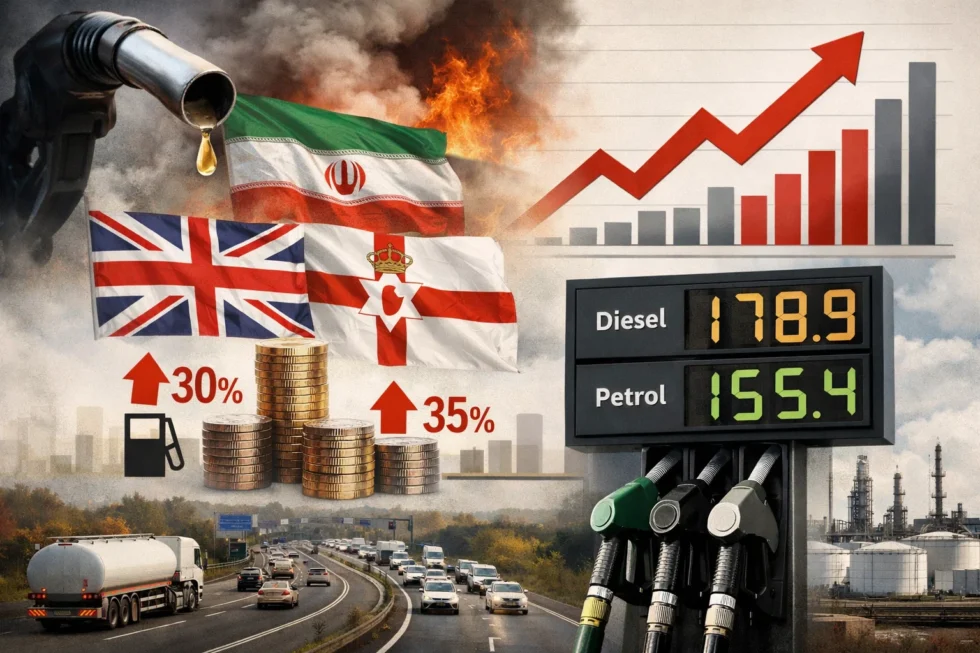
Industry groups said “supply is flowing normally” and there is no need for motorists to change buying behaviour. Retailers including Sainsbury’s and Tesco said deliveries are continuing and affected sites are being restocked. Market pressure is largely driven by global oil supply disruption. Around 20% of global oil trade passes through the Strait of Hormuz, a key shipping route. The UK relies heavily on imported fuel. While it produces enough petrol to meet domestic demand, only around half of diesel consumption is refined domestically, with the remainder imported. This contributes to stronger price increases for diesel.
Fuel demand has also increased in some areas. Petrol stations offering lower prices have seen higher demand, leading to temporary shortages until new deliveries arrive. A new government scheme requires petrol stations to report price changes within 30 minutes. The system currently covers about 70% of the UK’s more than 8,000 forecourts. Enforcement measures are expected after a transition period. The International Energy Agency has advised reducing fuel consumption where possible, including fewer car journeys and lower energy use. No fuel rationing measures have been introduced in the UK.
Diesel prices in London on 4 April 2026: costs reach up to £95 per tank
Diesel prices in London have risen sharply as of 4 April 2026, following disruption to global oil flows linked to the escalation of the Iran conflict. Around 20% of global oil trade passes through the Strait of Hormuz, and any disruption has an immediate impact on wholesale fuel markets. The UK, which imports a significant share of its diesel, is particularly exposed to these shifts.
As of early April, diesel prices in London are averaging around 185p per litre, with higher rates of up to 190–195p per litre in central areas. This translates to approximately £92–£95 for a 50-litre tank, marking one of the highest levels since late 2022, Renewz reports, citing BBC News.
Diesel has risen faster than petrol due to structural supply differences. While the UK produces enough petrol domestically, it refines only around half of its diesel demand, relying on imports from international markets including the Netherlands and the United States. Market data shows diesel prices have increased by around 30% since late February 2026, compared with approximately 16% for petrol. The sharper increase reflects both tighter supply chains and higher demand in logistics and transport sectors. Retail prices vary across London depending on location and competition. Outer London typically records slightly lower prices, while central forecourts remain at the upper end of the range due to higher operating costs and demand density.
London diesel prices – 4 April 2026
| Metric | Value (London) |
|---|---|
| Average diesel price | 185p per litre |
| Central London range | 190–195p per litre |
| Outer London range | 178–183p per litre |
| Cost for 50-litre tank | £92–£95 |
| Increase since Feb 2026 | ~30% |
| Petrol increase (comparison) | ~16% |
Read about the life of Westminster and Pimlico district, London and the world. 24/7 news with fresh and useful updates on culture, business, technology and city life: UK Easter Traffic: April 3–5, 2026 Guide to M25, M5, M1, and M6 Motorway Delays