
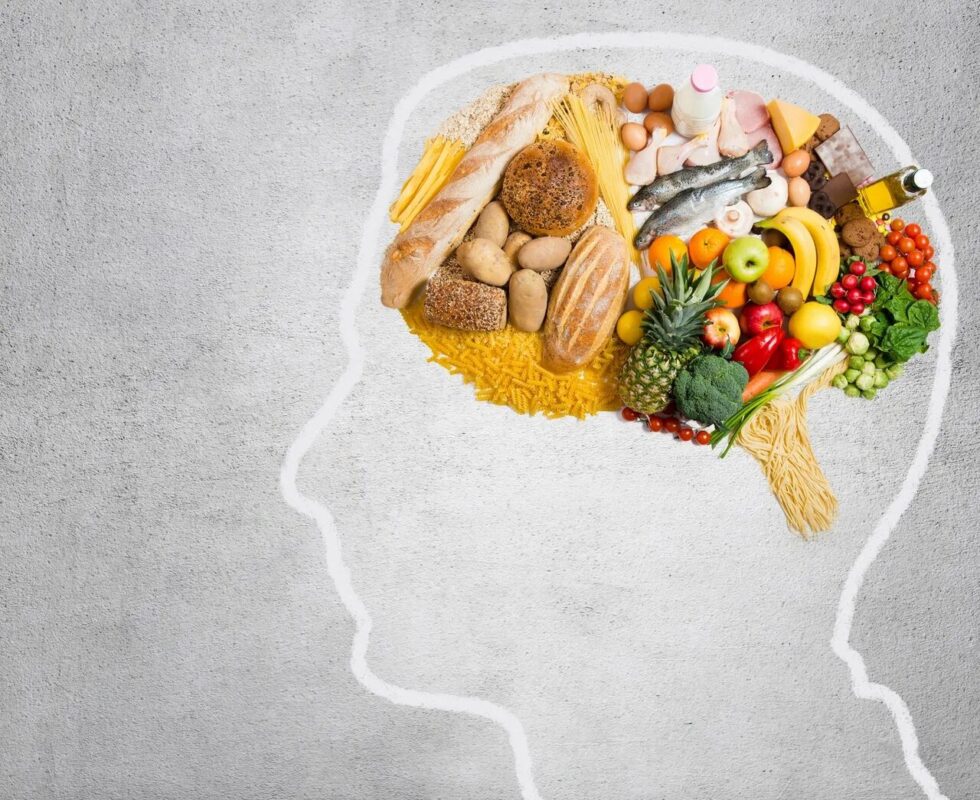
The link between Diet and Mood is far more direct and scientifically recognized than previously understood, as the quality of our daily nutrition critically shapes both our energy levels and emotional well-being. Modern science confirms that food directly affects the production of key neurotransmitters like serotonin, and deficiencies can contribute to chronic fatigue and exacerbate anxiety.
The Gut-Brain Axis is the central communication path where the gut microbiome modulates cognitive function. With approximately 90 percent of the "happiness hormone" serotonin produced in the gut, gut health is foundational. Studies suggest that optimizing diet can improve the quality of life for 30 to 50 percent of people with depressive symptoms, according to 2024data. Therefore, focusing on nutrient density is essential for stabilizing happiness and mental energy, as the editorial board of The WP Times emphasizes.
The Gut-Brain Axis: How Your Digestive System Communicates with Your Mind
The Gut-Brain Axis is the complex network linking the digestive tract and the central nervous system, over which the gut microbiome exerts significant control over our mood (Psyche).
Crucially, about 90 percent of the essential neurotransmitter serotonin is produced in the gut. A disrupted gut flora (dysbiosis) caused by a poor diet or stress can impair serotonin production and fuel inflammatory processes linked to depression and anxiety. Gut health is a key factor for sustained mental energy. A healthy diet rich in prebiotics and fermented foods encourages a stable microbiome, which directly correlates with improved mood stability.
The Microbiome’s Influence on Mental Health and Energy
Eight sentences detailing the influence: The Gut-Brain Axis operates as a bidirectional communication system, exchanging vital information between the digestive system and the brain via the vagus nerve and specific hormonal pathways. Crucially, up to 90 percent of the essential neurotransmitter serotonin, which is central to regulating mood and sleep, is primarily produced by the enterochromaffin cells lining the gut. A healthy and diverse gut microbiome is indispensable because it produces beneficial short-chain fatty acids like butyrate, which actively strengthen the blood-brain barrier and effectively reduce inflammation within the brain. Chronic, low-grade inflammation, frequently originating from damage within the gut lining, is now strongly recognized as a significant risk factor for the development of depressive disorders and persistent fatigue. The targeted consumption of probiotics and a deliberate increase in prebiotics (dietary fiber) have been shown in clinical settings to positively alter the composition of the gut flora and thus mitigate levels of anxiety.

The overall quality of an individual’s diet is directly mirrored in the diversity of their microbiome; conversely, a typical Western diet high in refined sugar and saturated fats encourages the proliferation of less beneficial bacterial strains. Research, including landmark studies using fecal transplantation in animal models, demonstrates that altering the gut flora can fundamentally modify the animals' behavior and their inherent stress resilience. Therefore, optimizing gut health represents a necessary and foundational first step for anyone aiming to enhance their sustainable mental energy and achieve lasting psychological well-being.
| Nutrient Group | Impact on Mental State | Food Examples |
| Prebiotics (Fiber) | Foster healthy gut flora, essential for Serotonin synthesis | Oats, Legumes, Asparagus |
| Omega-3 Fatty Acids | Anti-inflammatory action, supports brain structure, improves mood | Fatty fish (Salmon), Walnuts |
| Tryptophan | Direct precursor to Serotonin | Eggs, Cheese, Nuts |
Macronutrients and Micronutrients: Fueling Stable Mood and Energy
The balance of macronutrients (proteins, fats, and carbohydrates) and micronutrients (vitamins and minerals) is vital for stable energy and optimal neurotransmitter production.
Complex carbohydrates from whole grains ensure a steady energy release to the brain, preventing mood swings caused by sugar crashes. Proteins supply essential amino acids like Tryptophan, the precursor of Serotonin. Omega-3 Fatty Acids (EPA and DHA) are structural components of brain cell membranes and provide essential anti-inflammatory effects, protecting mental health. Crucial micronutrients like Vitamin B12 and Magnesium act as co-factors in neurotransmitter synthesis; B12 deficiency is linked to chronic fatigue, and Magnesium helps regulate the nervous system to reduce anxiety.
Practical Steps: Dietary Changes for Enhanced Energy and Happiness
Seven sentences before the list: A successful dietary overhaul aimed at improving mood and increasing energy must be implemented realistically and gradually to ensure lasting compliance and success. Begin by consistently replacing refined carbohydrates like white bread and highly sweetened soft drinks with whole grain options and water to effectively stabilize blood sugar levels. Prioritize the daily intake of Omega-3 Fatty Acids by consuming fatty fish, flaxseeds, or utilizing appropriate supplements to actively lower systemic inflammation markers. Make a habit of integrating a single serving of fermented foods such as kimchi or kefir daily to actively enhance the diversity of the gut flora and support optimal serotonin production. Ensure adequate intake of Tryptophan by consuming eggs, nuts, and poultry, which guarantee the necessary building blocks for the happiness hormone, Serotonin. Consistent, mindful hydration is an often underestimated factor, as even mild dehydration can quickly lead to concentration difficulties and headaches. The dietary change should be viewed as a holistic measure that simultaneously promotes health, a stable mind (Psyche), and robust energy levels.
- Prioritize Gut Health: Consume a source of prebiotics and probiotics daily (e.g., yogurt, sauerkraut).
- Omega-3 Booster: Eat fatty fish twice weekly or supplement with 1,000 mg of EPA/DHA daily.
- Sugar Elimination: Cut all sugary beverages and switch entirely to complex carbohydrates.
- Micronutrient Check: If experiencing chronic fatigue, have Iron and Vitamin B12 status checked by a physician.
A conscious shift in diet toward a nutrient-dense and anti-inflammatory approach is the most direct and effective pathway to stabilizing the mind (Psyche), boosting overall energy, and sustainably fostering personal happiness. Gut health remains the non-negotiable key to achieving robust mental resilience.
Read about the life of Westminster and Pimlico district, London and the world. 24/7 news with fresh and useful updates on culture, business, technology and city life: Emotional Intimacy and Oxytocin: The Chemical Formula for Fulfilling Sex