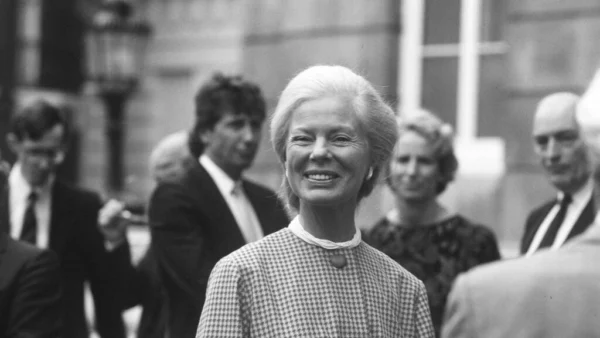
Britain is mourning the death of Katharine, Duchess of Kent, a figure whose life embodied duty, modesty and compassion. She passed away on 5 September 2025 at the age of 92. Buckingham Palace confirmed that the Duchess died peacefully at Kensington Palace, surrounded by her closest family.
In an official statement, the Palace highlighted her lifelong devotion to public service and her unwavering commitment to education, music and youth causes. The announcement, reported by The WP Times, underlined the depth of respect she commanded both inside and outside the Royal Family.
“The King and the Queen, together with all members of the Royal Family, mourn with the Duke of Kent, his children and grandchildren. They remember the Duchess’s enduring dedication to education, her passion for music and her compassion for young people.”
Her death marks the passing of one of the most discreet yet steadfast members of the British monarchy — a figure who combined tradition with quiet independence.
Early life and marriage into royalty
Katharine Lucy Mary Worsley was born in 1933 in Yorkshire into the family of Sir William Worsley, a respected landowner and cricketer. Her upbringing was shaped by music, faith and a strong sense of duty.
In 1961, she married Prince Edward, Duke of Kent, in York Minster — the first royal wedding there since the 14th century. The ceremony drew national attention and symbolised a rare union between a royal duke and a woman from outside aristocratic circles. The couple had three children: George, Earl of St Andrews; Lady Helen Taylor; and Lord Nicholas Windsor.
Duty, education and music
Throughout her royal career, the Duchess became known not for grand gestures but for tireless engagement in causes close to her heart. She was patron of numerous charities, particularly those focused on education, literacy and youth opportunities.
Her lifelong passion for music shaped her public role. She supported music schools and youth choirs, often visiting them personally. She believed that music was not only a cultural gift but also a path to personal growth for disadvantaged young people.
Faith and personal conviction
In 1994, Katharine took the unprecedented step of converting to Roman Catholicism, becoming the first senior royal to do so openly since the Act of Settlement of 1701. The decision shocked some at the time but was accepted by Queen Elizabeth II and the Royal Family. For Katharine, it reflected a personal journey of faith and conscience rather than a political statement.
Her quiet independence earned her respect as a woman willing to follow conviction over convention.
Wimbledon and the public eye
For much of the British public, Wimbledon became the stage where the Duchess of Kent was most visible. From 1969 until the late 1990s, she presented the winners’ trophies on Centre Court, creating an enduring connection between the Royal Family and Britain’s most celebrated tennis tournament.
Unlike the formality that often surrounded royal appearances, Katharine’s presence at Wimbledon was marked by warmth and approachability. Players frequently recalled how she spoke to them with genuine interest rather than rehearsed ceremony. For young champions, being greeted by the Duchess became not only a royal honour but also a moment of human encouragement.
Spectators, too, noticed the difference: she smiled, chatted and seemed at ease amid the intensity of the championships. In an era when the monarchy was sometimes criticised for distance, Katharine’s presence at Wimbledon offered a more accessible and relatable image of royalty.
Her regular appearances turned her into a fixture of British sporting culture, intertwining her identity with the history of Wimbledon and leaving a memory of royalty not as spectacle, but as grace in public life.
Withdrawal from public life
From the late 1990s, the Duchess began to withdraw from public engagements. Health concerns and a desire for privacy led her to step back, though she continued to support her charities in a less visible capacity. Despite her retreat, she remained a respected figure in royal circles and a cherished presence for those she worked with.
Her husband, the Duke of Kent, now 89, is the oldest living member of the Royal Family. Together they represented a quieter branch of the monarchy, away from constant media attention but deeply embedded in its fabric.
Public and historical reflection
The death of Katharine, Duchess of Kent, has been met with tributes from across Britain:
- “She lived her life in service, quietly but with great conviction. She never sought the limelight, yet her impact was felt in every project she touched,” said historian Sarah Bradford.
- On social media, many Britons remembered her kindness: “She was one of the most genuine members of the Royal Family. Her love for music and education inspired countless young people.”
- Commentators note that her life illustrates an alternative model of royalty — one less defined by spectacle and more by compassion.
10 Facts about the Legacy of Katharine, Duchess of Kent
- A life rooted in service
Katharine consistently placed duty before personal ambition, devoting decades to charitable work. Her quiet engagement made her one of the most trusted figures in the extended Royal Family. - A champion of education
She supported literacy campaigns and schools across the UK. Her advocacy ensured that children from disadvantaged backgrounds had greater opportunities to succeed. - Passion for music
Music was central to her identity, both personally and publicly. As patron of youth choirs and music foundations, she encouraged generations of young talent. - Faith and conviction
Her conversion to Roman Catholicism in 1994 was a bold step in royal history. It demonstrated her willingness to follow conscience over convention. - Wimbledon connection
Her role in presenting trophies at Wimbledon made her a familiar face to millions. She humanised the monarchy through warm interactions with players and spectators. - A modest royal
Unlike other royals, she avoided glamour and headlines. This discretion strengthened her reputation as approachable and genuine. - Dedication to youth
She worked tirelessly to support projects for young people. Her compassion for vulnerable groups left a lasting impression. - A bridge between tradition and modernity
Her life reflected continuity with royal duty while embracing personal independence. This balance helped redefine what service in the monarchy could mean. - A supportive partner
As wife to the Duke of Kent for over six decades, she offered steadfast companionship. Their marriage was a model of stability within the Royal Family. - An enduring influence
Even after her withdrawal from public life, her presence remained significant. Her legacy continues in the organisations she supported and in the lives she touched.
Read about the life of Westminster and Pimlico district, London and the world. 24/7 news with fresh and useful updates on culture, business, technology and city life: Doubts Cast on Kemi Badenoch’s Claim of US Medical School Offer