
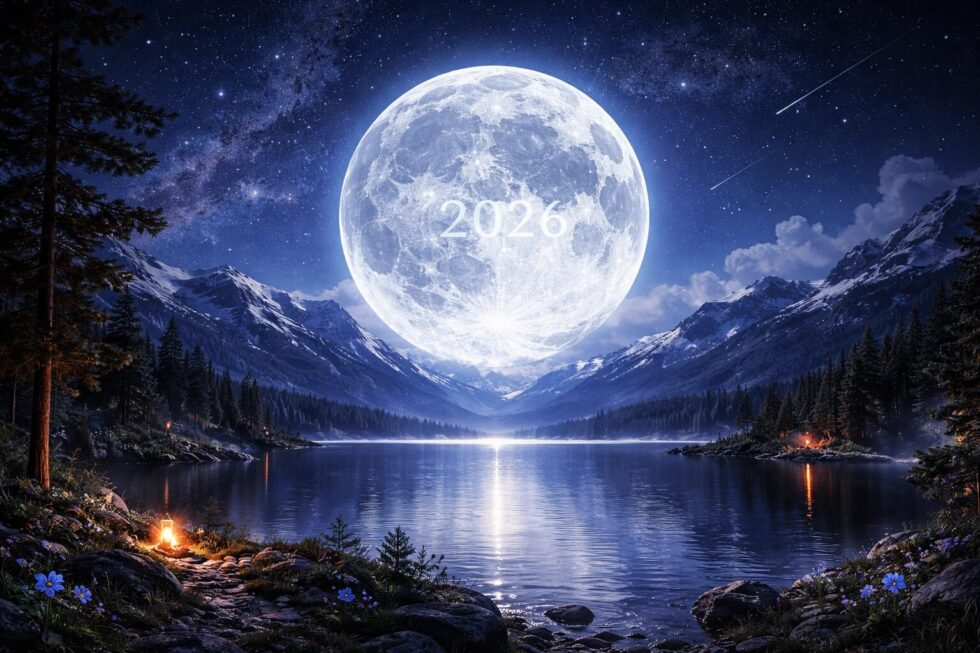
Full moon in the UK serves as a focal point for thousands of skywatchers who gather in Britain’s dark sky reserves to witness the lunar peak. The visibility of the lunar surface is governed by specific geographic coordinates and the atmospheric conditions prevalent across the British Isles throughout the year. For those planning an observation, understanding the exact timing of the moonrise and moonset is essential for a truly successful viewing experience. In 2026, the United Kingdom will witness several notable lunar phases, including potential supermoons that appear significantly larger and brighter. Data from the Royal Observatory Greenwich indicate that public interest in celestial events has increased by approximately 15 percent since 2023. This trend reflects a growing national passion for astrotourism and outdoor nocturnal activities in every region of the country, reports The WP Times.
Full moon London schedule and lunar phases for 2026
When planning a night of observation, knowing exactly when the full moon in London will occur is the first step for any urban stargazer. The city operates on Greenwich Mean Time during winter and British Summer Time during warmer months, which significantly shifts the local perception of peak illumination. In 2026, the lunar calendar follows its traditional 29.5-day cycle, resulting in twelve distinct full moons, with a rare thirteenth occurring in certain seasonal counts. Detailed astronomical projections provide the specific hour and minute for the moon's peak, allowing photographers to calibrate their equipment for the perfect shot. Elevated locations such as Primrose Hill or Parliament Hill offer the clearest views of the horizon, far above the immediate glare of city streetlights. Statistics from 2025 show that cloud cover remains the primary challenge for lunar visibility in the capital, occurring on average 60 percent of the nights in autumn. Professional astronomers recommend checking live satellite feeds at least three hours before the moonrise to confirm local sky clarity. This systematic approach ensures that residents and tourists alike can witness the lunar peak without the frustration of unexpected weather shifts.
The following list provides the projected dates for every full moon in the UK during the year 2026, calculated according to local British time:
- January 3: Wolf Moon reaching peak illumination in the cold morning hours.
- February 1: Snow Moon appearing high in the sky during the peak of winter.
- March 3: Worm Moon marking the gradual transition toward the spring equinox.
- April 1: Pink Moon coinciding with the blooming of early British seasonal flora.
- May 1: Flower Moon visible throughout the countryside during the May Day period.
- May 31: A rare second full moon in May, traditionally known as a Blue Moon.
- June 29: Strawberry Moon appearing with a warm, golden hue in the summer sky.
- July 28: Buck Moon rising during the warmest nights of the British summer season.
- August 27: Sturgeon Moon visible during the late summer harvest evenings.
- September 25: Harvest Moon providing essential extra light during the autumn transition.
- October 25: Hunter Moon appearing as the days begin to shorten significantly in Britain.
- November 24: Beaver Moon rising early in the evening across the London skyline.
- December 24: Cold Moon illuminating the festive winter solstice and holiday period.
Best locations and times for when the full moon in the UK is visible
Identifying when will be the full moon in the UK is only half the battle; finding the right location is vital for an unobstructed view. Light pollution in major metropolitan areas can significantly diminish the contrast of the lunar surface, making rural sites much more attractive for detailed study. The United Kingdom boasts several International Dark Sky Reserves, such as Exmoor, Snowdonia, and the Brecon Beacons, where the atmosphere is exceptionally clear. For those staying within urban boundaries, public parks with elevated ridges provide the necessary height to see the moon as it clears the distant horizon. The atmospheric refraction often makes the moon appear larger and more orange when it is close to the horizon, a phenomenon frequently documented by local photography clubs. Data from National Parks UK suggests that visits to dark sky sites increased by 22 percent during the 2024–2025 period. Choosing a location with a clear southeastern view is recommended for the moonrise, while a southwestern view is best for the early morning moonset. Utilizing specialized mobile applications can help observers track the precise path of the moon across the vast British sky.
For those looking to find the best spots in London and beyond, the following data highlights key coordinates and accessibility details:
| Location Name | City/Region | Best Viewing Attribute | Access Details |
| Greenwich Park | London | Historic meridian views | Public access until dusk, high ridges |
| Primrose Hill | London | Panoramic city skyline | Open 24 hours, clear horizon views |
| Hampstead Heath | London | High elevation | Accessible via Parliament Hill ridge |
| Exmoor National Park | South West | Dark sky status | International Dark Sky Reserve |
| South Downs | South East | Minimal light pollution | Scenic coastal and hill views |
| Galloway Forest | Scotland | Extreme clarity | First Dark Sky Park in the United Kingdom |
Practical tips for observing when the full moon in London rises
Determining when will be the full moon in London requires attention to both the lunar calendar and the specific topography of the Thames Valley. Because London is situated in a geographic basin, the moon often takes longer to appear over the surrounding hills or tall buildings than the official moonrise time suggests. Astronomers suggest arriving at your chosen spot at least thirty minutes before the scheduled rise to allow your eyes to adjust to the lower light levels. Using binoculars with a magnification of 7x50 or 10x50 can reveal craters and Maria that are otherwise invisible to the naked eye. It is also beneficial to check the humidity levels, as high moisture can create a halo effect around the moon, which is beautiful but reduces fine detail. Historical records from the London Meteorological Office show that the clearest nights typically occur following a cold front during the winter months. Taking note of these environmental factors can significantly enhance the quality of your lunar observation and photography.
Professional observers follow a specific set of guidelines to maximize their results during a full moon event:
- Check the local weather forecast specifically for "cloud cover" rather than just precipitation.
- Use a sturdy tripod for photography to avoid motion blur during long exposure shots.
- Dress in layers, as temperatures drop rapidly in open parks after the sun sets.
- Avoid using white flashlights; a red light preserves your night vision much more effectively.
- Position yourself away from direct street lighting or constant car headlights.
- Plan for the "Golden Hour" of moonrise, usually within the first 20 minutes of appearance.
Astronomical significance of the 2026 lunar cycle in Britain
The scientific community pays close attention to the full moon due to its profound influence on coastal tides and nocturnal wildlife behavior. In 2026, the orbital path of the moon will bring it to perigee—its closest point to Earth—on specific dates, resulting in what the media commonly calls supermoons. These events can result in tides that are up to 5 centimeters higher than average along the British coastline, affecting maritime navigation in the English Channel. Research conducted by British environmental agencies in 2025 highlighted that lunar brightness can alter the migratory patterns of certain bird species across the UK. Furthermore, the timing of the full moon often dictates the scheduling of traditional cultural festivals and agricultural planning in rural communities. Understanding the physics behind the lunar phases helps observers appreciate the moon not just as a visual object, but as a functional part of the Earth's ecosystem. The 2026 cycle is particularly interesting for researchers due to the alignment of the moon with certain planetary clusters visible from the Northern Hemisphere.
The lunar events of 2026 are expected to draw a diverse crowd of scientists and hobbyists for the following reasons:
- Two supermoons are predicted, where the moon appears 14 percent larger than at apogee.
- The Blue Moon in May offers a rare seasonal occurrence for celestial enthusiasts.
- Increased solar activity may lead to sightings of the Aurora Borealis during full moon nights.
- Tidal influences will be monitored closely at the Thames Barrier in London.
- Collaborative citizen science projects will track urban light pollution levels during peak phases.
The lunar calendar for 2026 offers twelve unique opportunities to witness the full moon across the varied landscapes of the United Kingdom. By utilizing precise timing and selecting optimal locations, observers can experience the profound beauty of the night sky with clarity. Systematic planning remains the key to overcoming the unpredictable British weather and urban light interference.
Read about the life of Westminster and Pimlico district, London and the world. 24/7 news with fresh and useful updates on culture, business, technology and city life: January 2026 Horoscope: Which Zodiac Signs Will Experience a Major Career Breakthrough