
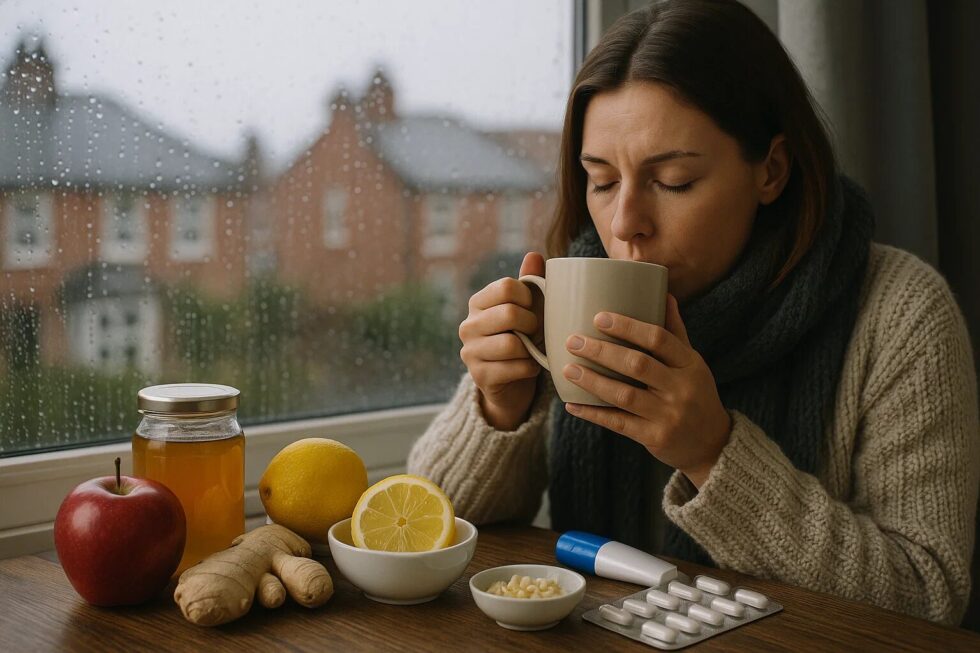
Immunity during winter matters acutely in the United Kingdom: cold air, indoor heating, and frequent viral circulation challenge even the healthiest people. Between November and March, flu, colds, and respiratory infections rise sharply, with the UK Health Security Agency recording the highest influenza activity typically in January and February. Strengthening the immune system before the cold season is therefore a necessity, not a luxury. As highlighted by The WP Times, improving your body’s defences with the right nutrition, vitamins, and preventive habits can significantly reduce illness risk. Below, we explore science-based advice on how to boost immunity in the UK’s winter months — through vitamins, local superfoods, and vaccination.
Why Focus on Immunity in Winter
Winter in the UK means fewer daylight hours, reduced sunlight, and lower vitamin D levels. Indoor heating dries the air, weakening mucosal barriers, while closed environments increase the spread of viruses. Research published in Nature Reviews Immunology confirms that cold stress reduces immune cell activity, while a 2022 UK Biobank analysis revealed people with low vitamin D levels are 1.5 times more likely to develop respiratory infections.
Public Health England (now the UK Health Security Agency) urges citizens to maintain hygiene, get vaccinated, and consider dietary supplements during the dark season. According to NHS data, tens of thousands of hospital admissions each winter are linked to preventable respiratory infections. A balanced diet, good sleep, and daily physical activity can boost immune response by up to 30%, as shown in epidemiological studies.
Strengthening Immunity Through Vitamins and Micronutrients
Effective immunity depends on consistent intake of micronutrients — especially vitamin D, vitamin C, zinc, and selenium. The UK government officially recommends 10 µg (400 IU) of vitamin D daily from October to March. Regular vitamin C (200–500 mg/day) supports white blood cell function and reduces the duration of colds. Zinc (8–15 mg/day) helps prevent viral replication, while selenium (55–70 µg/day) enhances antioxidant protection and T-cell activity.
Studies among elderly populations in Europe indicate that people who supplement vitamin D and zinc experience 20–30% fewer colds each season. Fortunately, these nutrients can be obtained from affordable and widely available foods in the UK.
Best food sources include:
- Citrus fruits, red peppers, and broccoli – rich in vitamin C
- Oily fish, eggs, and fortified milk – natural vitamin D sources
- Pumpkin seeds, shellfish, and red meat – for zinc
- Brazil nuts and whole grains – for selenium
Superfoods from Britain: Blueberries, Black Garlic, and Kale
“Superfoods” are not just a trend — they are functional, nutrient-rich foods proven to support immune defence. Blueberries, cultivated in many UK farms (Cornwall, Kent, and Scotland), are loaded with anthocyanins — antioxidants that protect immune cells from oxidative damage. A 2023 British Nutrition Journal study found that daily blueberry consumption reduced inflammation markers by 15%.
Black garlic, produced through fermentation, is a growing UK culinary trend. Rich in S-allyl cysteine, it boosts natural killer cell function and enhances viral resistance. It’s available in supermarkets such as Waitrose or online for around £5–£7 per 100 g.
Kale, one of the UK’s most nutritious greens, contains vitamin C, K, A, folate, and glucosinolates — compounds with antimicrobial effects. Consuming kale two to three times a week can significantly raise antioxidant levels and strengthen immune defences.
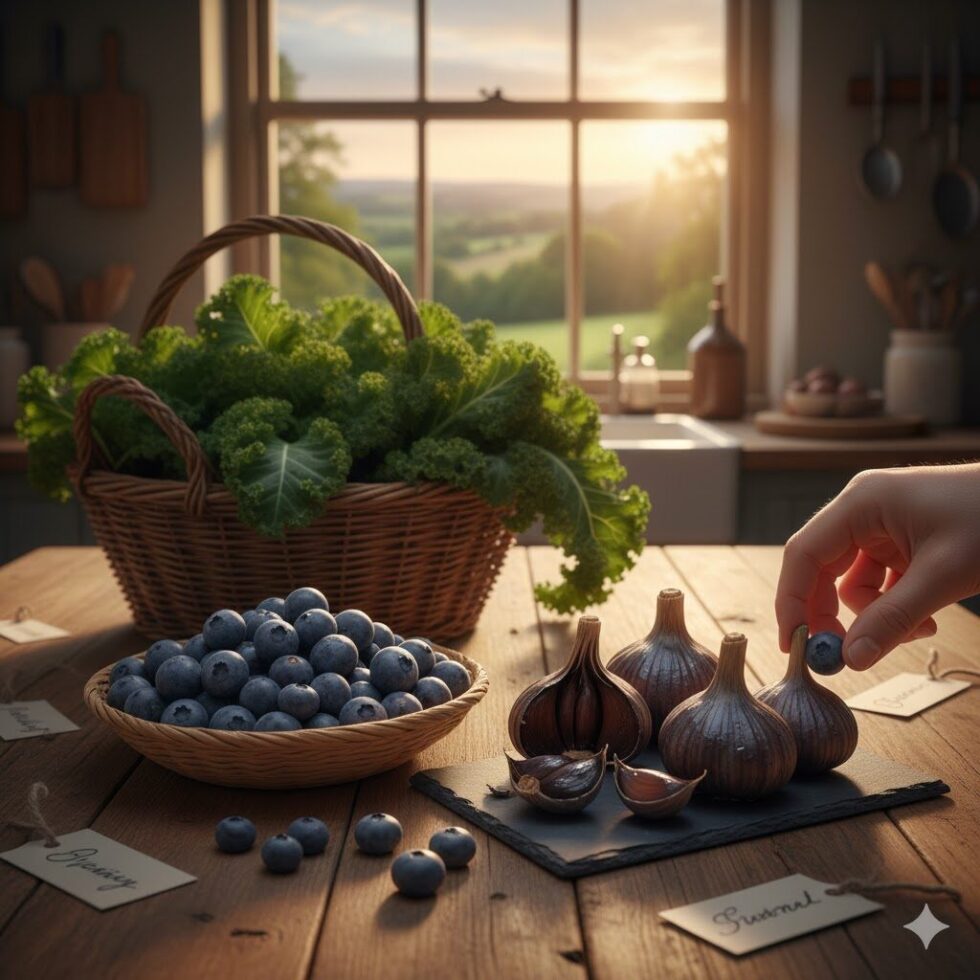
Examples of local “superfoods” to include this winter:
- Blueberries and blackcurrants – antioxidants and flavonoids
- Black garlic – immune and antiviral protection
- Kale and cabbage – vitamins A, C, and phytonutrients
- Oats and flaxseeds – immune-boosting fibre and omega-3
Diet Strategy: Sample Weekly Immune Menu
Balanced eating in winter can provide nearly all nutrients needed for strong immunity. Below is a sample weekly plan combining UK seasonal foods, vitamins, and immune-supporting ingredients.
| Day | Breakfast | Lunch | Dinner | Immune Benefit |
|---|---|---|---|---|
| Monday | Oats with blueberries and walnuts | Kale soup + wholegrain bread | Baked trout with garlic | Vitamin C, omega-3, antioxidants |
| Tuesday | Greek yoghurt with honey and kale | Lentil stew with black garlic | Chicken with Brussels sprouts | Zinc, vitamin A |
| Wednesday | Berry-spinach smoothie | Turkey stir-fry + quinoa | Sweet potato chili | Selenium, fiber |
| Thursday | Toast with avocado & kale pesto | Salmon salad with greens | Mushroom risotto | Vitamin D, flavonoids |
| Friday | Porridge with mixed berries | Chickpea curry with kale | Pork loin & kale slaw | Iron, vitamin C |
| Saturday | Berry overnight oats | Beetroot & feta salad | Roast lamb with vegetables | Polyphenols, minerals |
| Sunday | Eggs with kale and tomatoes | Quinoa soup | Baked cod & steamed greens | Protein, vitamins A & C |
This type of menu provides consistent micronutrients essential for immunity throughout the season.
Lifestyle Habits That Strengthen the Immune System
Nutrition is only part of the picture. Lifestyle plays a decisive role in immune resilience:
- Sleep: At least 7–8 hours per night. Sleep deprivation reduces T-cell activity and antibody production.
- Exercise: Moderate physical activity (walking, cycling, swimming) 30 minutes per day boosts immune function by improving circulation.
- Stress Management: Chronic stress increases cortisol levels, weakening immune defences. Try mindfulness, breathing exercises, or yoga.
- Environment: Keep indoor humidity between 40–60% and ventilate rooms regularly. Dry air helps viruses survive longer.
- Avoid Smoking: Tobacco reduces mucosal immunity and increases infection risk by up to 50%.
These daily habits complement your nutritional and medical strategies perfectly.
Vaccination, Flu Jabs, and Medical Advice
Vaccination remains the UK’s main line of defence against seasonal diseases. The NHS offers free flu vaccines to older adults (65+), children, pregnant women, and people with chronic illnesses. The flu jab changes annually, based on global viral strain monitoring.
Even when the vaccine is not a perfect match, it often reduces the risk of severe illness and hospitalization by 40–60%. In 2025, the NHS also began testing combined flu–COVID vaccines, expected to simplify future immunization campaigns.
Antiviral medications (such as oseltamivir) are sometimes prescribed during outbreaks in care homes or hospitals. However, vaccination combined with good hygiene, diet, and vitamin intake remains the most effective public health strategy.
Flu prevention checklist:
- Get the flu jab (free for eligible groups)
- Wash hands frequently and avoid touching your face
- Use tissues or elbow to cover coughs/sneezes
- Wear masks in crowded indoor areas during outbreaks
- Maintain vitamin D and hydration levels daily
Real-Life UK Examples
In Manchester, one GP clinic reported a 25% rise in flu-like cases in January 2024, linked to low vitamin D levels. After starting a community education campaign on supplements and kale-based meals, hospital admissions dropped by 8% in the next winter.
In Scotland, NHS Highland runs winter workshops teaching older adults how to cook with local kale, berries, and garlic. Feedback shows improved wellbeing and fewer colds. Such regional initiatives demonstrate how local diets and health programs can effectively strengthen population immunity.
Common Myths About Immunity
| Myth | Truth |
|---|---|
| “Vitamin C cures colds instantly” | It shortens symptoms but doesn’t cure infections. |
| “Healthy people don’t need flu shots” | Vaccines protect you and others by reducing viral spread. |
| “Only exotic foods boost immunity” | Local UK produce like kale and berries are equally powerful. |
| “Black garlic is a miracle cure” | It’s beneficial but should complement, not replace, medical advice. |
| “Stress doesn’t affect immunity” | Chronic stress weakens immune responses and slows recovery. |
When to Seek Medical Help
If flu symptoms persist beyond 3–4 days or include high fever, shortness of breath, chest pain, or confusion, contact NHS 111 or your GP immediately.
Over-the-counter immune boosters (vitamin C lozenges, zinc) are useful but should not replace professional diagnosis. People with asthma, diabetes, or weakened immunity should schedule preventive checkups before winter.
Key Takeaways for Winter Immunity
A strong immune system in the UK winter depends on three pillars:
- Nutrition: daily intake of vitamins D, C, zinc, and selenium.
- Superfoods: local products like blueberries, kale, and black garlic.
- Prevention: vaccination, hygiene, and healthy habits.
By combining medical science with local nutrition, you can reduce your risk of illness, stay active, and protect those around you.
Read about the life of Westminster and Pimlico district, London and the world. 24/7 news with fresh and useful updates on culture, business, technology and city life: Why Is Flavored Oil Becoming the Ultimate Culinary and Health Trend in the UK