
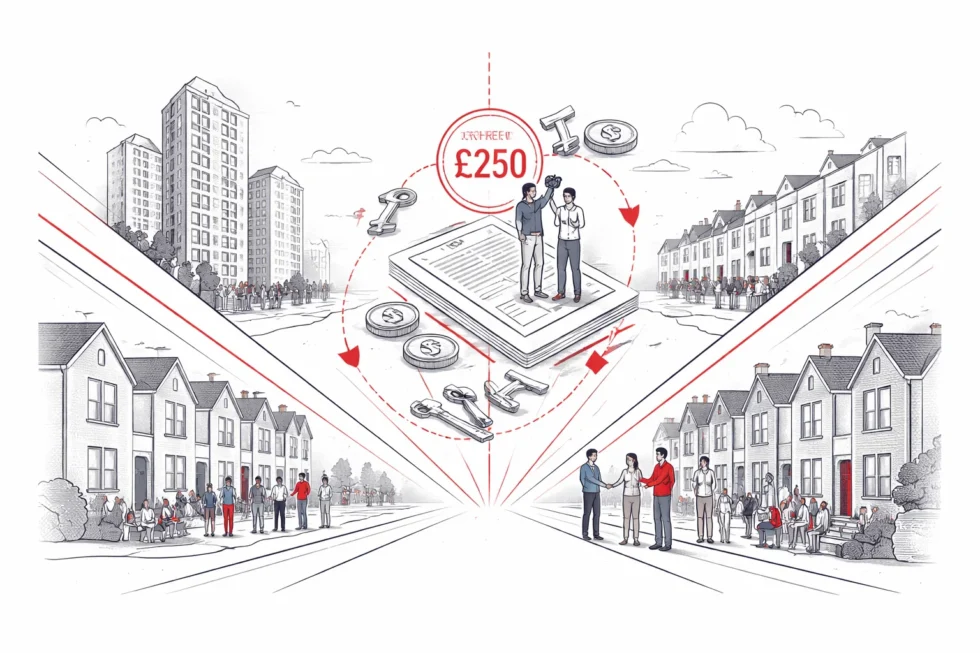
Tuesday, 27 January 2026 — Leaseholders in England and Wales will see their annual ground rents capped at £250under sweeping reforms unveiled by Keir Starmer, marking the most far-reaching overhaul of flat ownership in decades. The proposals, published as part of the draft Leasehold and Commonhold Reform Bill, also include a ban on new leasehold flats, the abolition of forfeiture and a long-promised shift towards commonhold ownership. Reports The WP Times, citing government briefings and housing sector sources.
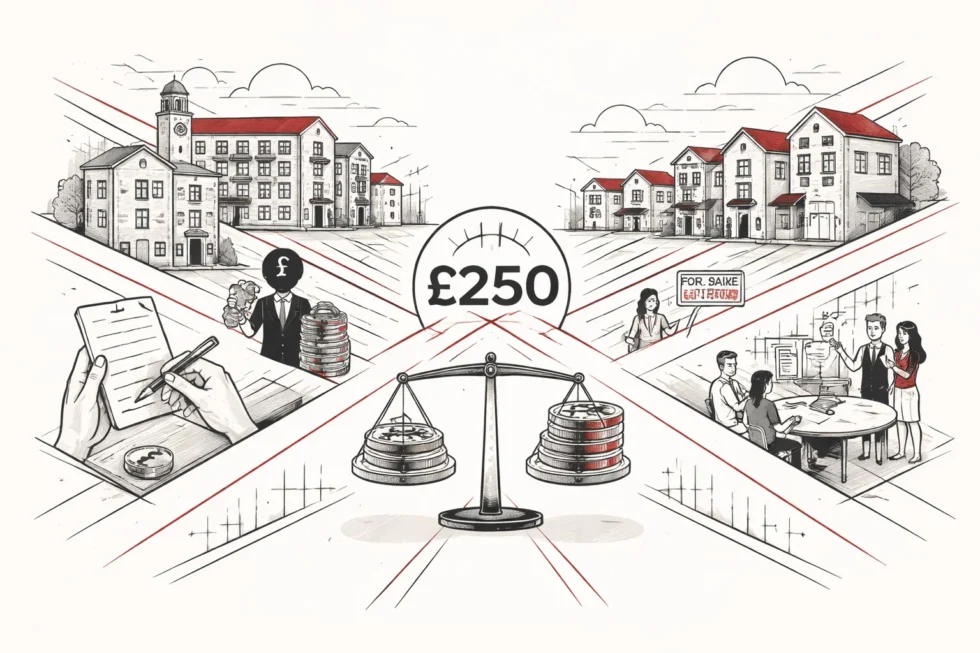
Ministers say the reforms are designed to dismantle a system that has left millions of homeowners exposed to rising charges, opaque management structures and, in extreme cases, the risk of losing their homes over relatively small debts. The changes, if enacted, would redraw the balance of power between leaseholders, freeholders and investors across England and Wales.
What the £250 ground rent cap means for leaseholders
Ground rent — a regular fee paid by leaseholders to the freeholder for the land beneath their home — has long been criticised for escalating under inflation-linked or doubling clauses. Although ground rent was effectively abolished for most new leasehold homes in 2022, millions of existing leaseholders remained liable. Under the new proposals:
- Annual ground rent will be capped at £250
- The cap will apply to existing leasehold properties
- Ground rent will later fall to a “peppercorn” level (effectively zero) after 40 years
- The government expects the cap to come into force from late 2028, subject to parliamentary approval
Official estimates suggest around 3.8 million homes in England and Wales still attract ground rent, with leaseholders collectively paying more than £600 million a year. In 2023–24, the average annual ground rent stood at £304, meaning a large proportion of households would see immediate savings once the cap applies. Housing charities argue the reform addresses one of the most persistent financial irritants facing flat owners, particularly in city centres and former buy-to-let developments built during the early 2000s boom.
Key leasehold reform measures at a glance
| Reform area | What changes | Why it matters |
|---|---|---|
| Ground rent | Capped at £250 a year | Cuts ongoing costs for millions of leaseholders |
| New flats | Leasehold banned (with limited exceptions) | Ends leasehold as the default tenure |
| Ownership model | Shift to commonhold | Gives residents collective control |
| Forfeiture | Abolished | Prevents homes being seized over small debts |
| Building management | Greater transparency | Tackles service-charge disputes |
Ban on new leasehold flats and the move to common hold
Perhaps the most structural change in the bill is the effective ban on selling new flats as leasehold, except in narrowly defined circumstances such as shared-ownership schemes. Instead, developers will be required to use common hold — a system commonplace in many other countries but rarely adopted in England and Wales. Under a common hold structure:
- Flat owners jointly own the building and land
- Residents collectively vote on budgets, repairs and management
- There is no external freeholder extracting ground rent
Campaigners have long argued that commonhold offers greater security and fairness, describing leasehold as a “feudal hangover” that has no place in a modern housing market. Ministers acknowledge that adoption has been slow in the past but say mandatory use for new developments will finally give the model critical mass.
Political reaction and messaging
Announcing the proposals in a short video posted on TikTok — an unusual platform for major housing reform — Keir Starmer said the cap would save leaseholders hundreds of pounds a year and help ease cost-of-living pressures. Housing secretary Steve Reed said the reforms were designed to “put homeowners back in control”, arguing that ground rents and opaque service charges had undermined confidence in flat ownership across England and Wales. The government has framed the bill as part of a broader effort to stabilise the housing market, particularly for first-time buyers increasingly reliant on flats rather than houses.
What happens to existing leaseholders
For current leaseholders, the reforms stop short of an automatic conversion to commonhold. Instead, the bill introduces a legal right to move towards commonhold, with a public consultation on the conversion process running until 24 April. Ministers concede the transition will be complex, particularly in mixed-use buildings and developments with absentee owners. Detailed secondary legislation is expected to follow, setting out voting thresholds, compensation mechanisms and dispute resolution.

The bill also abolishes forfeiture — the controversial power allowing freeholders to seek possession of a home if service-charge arrears exceed £350. Critics say forfeiture has been used disproportionately against vulnerable leaseholders, while supporters argue it is necessary to enforce payment. The government insists alternative debt-recovery mechanisms will be sufficient.
Freeholder backlash and investor concerns
The reforms have drawn sharp criticism from the Residential Freehold Association, which warned that the ground rent cap represents an “unjustified interference” in property rights.
Industry groups argue the measures could unsettle institutional investors, complicate building-safety funding and reduce long-term investment in apartment developments. Some freeholders also claim that income from ground rents helps subsidise professional management and maintenance. Ministers reject that assessment, saying transparency and resident control are more effective safeguards than income streams detached from service quality.
Why leasehold reform matters now
Leasehold ownership accounts for around five million homes in England and Wales, with flats making up roughly 70%of that total. The model is particularly concentrated in London, Manchester, Birmingham and other major cities, where flat living is no longer a niche choice but a necessity. By capping ground rents, banning new leasehold flats and accelerating the shift to commonhold, the government is betting that a cleaner, more transparent ownership system will restore trust in flat ownership — and close a chapter that has long distorted the cost and security of owning a home in Britain.
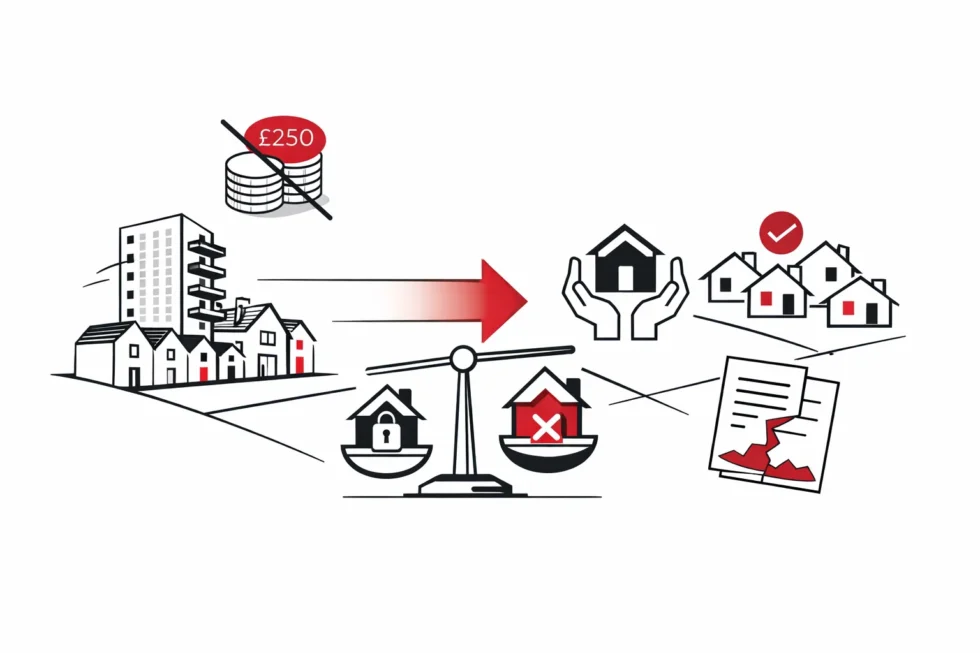
Whether the reforms deliver on that promise will depend not only on legislation, but on how smoothly leaseholders are able to transition into a system that finally gives them control over the homes they already own. Read about the life of Westminster and Pimlico district, London and the world. 24/7 news with fresh and useful updates on culture, business, technology and city life: What UK homeowners need to know about solar panel tax self assessment rules before 31 January deadline